The Sound of a Choking Furnace: Why Your High-MERV Filter is a Technical Trap
Listen closely to your return air vent. Is it whistling? Does it sound like a jet engine trying to take off behind a drywall barrier? That’s the sound of your blower motor dying a slow, expensive death. I’ve spent thirty years crawling through spider-infested crawl spaces and dragging my manifold gauges across icy rooftops, and I’ll tell you the truth that the big-box stores won’t: that $40 ‘hospital-grade’ pleated filter you just bought is probably the worst thing you could do for your HVAC system’s health. In the trade, we see it daily—homeowners think they are cleaning their air, but they are actually suffocating their heat exchanger.
The $12,000 Misdiagnosis: A Sales Tech’s Favorite Weapon
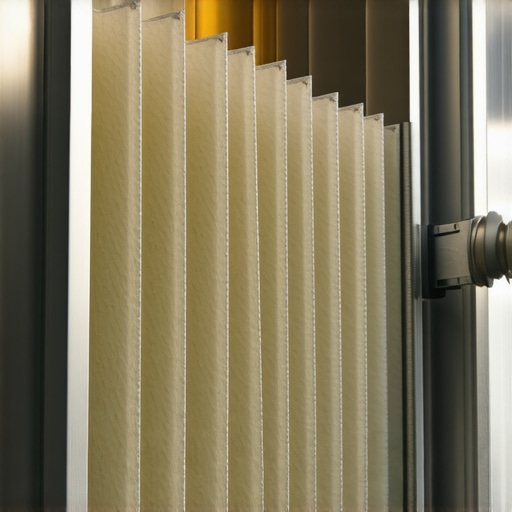
I remember following a ‘Sales Tech’ out to a job in a drafty Victorian home near the coast during a brutal January cold snap. The homeowner, a retired schoolteacher, was distraught. The previous guy—a kid in a shiny uniform who wouldn’t know a capacitor from a contactor if it hit him in the face—told her the secondary heat exchanger was ‘calcified’ and she needed a $12,000 high-efficiency replacement immediately. He’d already written up the financing. I walked in, heard the high-pitched whine of the blower struggling against a vacuum, and pulled out a filter that looked like a slab of gray concrete. It was one of those ultra-dense MERV 16 filters designed for a clean room, not a 20-year-old furnace. I swapped it for a standard pleated filter, reset the control board diagnostics, and the unit fired up and purred. The ‘bad’ heat exchanger was just a furnace tripping its high-limit switch because the air was moving too slowly to carry the heat away. She didn’t need a new furnace; she needed a tech who actually understood airflow measurement services.
“The most expensive equipment in the world cannot overcome a bad duct system.” – Industry Axiom
The Thermodynamics of Static Pressure
In our cold Northern climate, we aren’t just moving air; we are managing a delicate balance of sensible heat and moisture. When you install a high-efficiency filter, you are increasing the ‘External Static Pressure’ of the system. Think of it like trying to run a marathon while breathing through four N95 masks. Your heart (the blower motor) has to work twice as hard to move the same volume of air. In geothermal heat pump systems or traditional gas furnaces, this lack of volume leads to a dangerous rise in the Temperature Rise across the heat exchanger. If that air doesn’t move, the heat stays trapped. In a gas furnace, this causes the metal to expand and contract violently until it cracks. In a heat pump, it causes the head pressure to skyrocket, eventually frying the compressor. If you’re seeing ‘Limit Switch Open’ codes on your board, don’t just call for relay services; check your filter density first.
Why ‘Pookie’ and Duct Integrity Matter More Than Filter MERV
I’ve seen tin knockers install beautiful ductwork only for a ‘sparky’ or a plumber to crush it six months later. If your ducts are leaking, you’re pulling unconditioned air from the attic or crawl space anyway. Instead of buying a thicker filter, you should be looking at crawl space heating solutions and ensuring your ducts are sealed with ‘Pookie’ (mastic). Sealing the return air drop prevents the system from sucking in dust from the basement, which does more for your indoor air quality than any high-MERV filter ever could. If you’re worried about efficiency, look into attic insulation for heating to reduce the overall load on the system. This allows the unit to run shorter cycles, preserving the life of the blower. We often recommend dryer vent cleaning as well, because a backed-up dryer adds latent heat and lint to the home environment, forcing the HVAC to work harder to maintain the set point on your thermostat installation.
“Airflow is the lifeblood of the HVAC system; any restriction is a cardiovascular event for the compressor.” – ACCA Manual D Philosophy
The Steam Humidifier and the Dry Winter Physics
In the Northeast, we deal with bone-dry air that shrinks wood floors and cracks skin. Many homeowners add steam humidifiers to their systems. While great for comfort, these units add a dispersion tube inside the ductwork, which—you guessed it—adds even more static pressure. When you combine a thick filter with a humidifier probe and poorly sized returns, you are asking for a system failure. This is why airflow measurement services are critical. We use manometers to check the pressure drop across the coil and filter. If the ‘juice’ (refrigerant) isn’t flowing at the right temperature because the air is too slow, the suction line won’t be ‘beer can cold’ in the summer, and your heat exchanger will glow cherry red in the winter.
When to Actually Call the Pros
If you’ve swapped your filter and the system still short-cycles, you might have a failing blower capacitor or a fouled evaporator coil. This is where top HVAC repair strategies come into play. Don’t let a sales tech talk you into a whole new system because of a $50 part. Whether you are looking at shop heater services for a garage or a full residential overhaul, demand a static pressure test. It’s the only way to know if your ‘high-efficiency’ upgrades are actually killing your machine. If you’re unsure about your current setup, you can always contact us for a real diagnostic, not a sales pitch. Remember, comfort isn’t magic; it’s physics. Keep the air moving, keep the coils clean, and stop trying to turn your home furnace into a surgical suite filter bank.