The Frustrating Click of a Cold Pool
There is a specific sound a desperate pool heater makes when it refuses to cooperate. It’s a rhythmic, hollow clicking—the sound of a spark igniter reaching out for a flame that won’t catch. I’ve spent thirty years listening to that sound while kneeling on damp concrete, and let me tell you, it smells like wasted money. My old mentor, a man who could sniff out a refrigerant leak from across a parking lot, used to scream at me, ‘You can’t burn what you can’t feed!’ He wasn’t just talking about the gas; he was talking about the fundamental physics of combustion. If your pilot won’t stay lit, you aren’t just losing a weekend swim; you are likely dumping unburned propane into the atmosphere or, worse, ignoring a signal that your gas valve is on its last legs. Most people call a ‘pool guy’ for this. That’s a mistake. You need someone who understands gas chromatography and pressure differentials, not just someone who knows how to balance chlorine.
“Proper gas pressure and venting are not suggestions; they are the physical requirements for safe combustion in any atmospheric burner system.” – NFPA 54: National Fuel Gas Code
The Anatomy of the Pilot: Why Physics is Against You
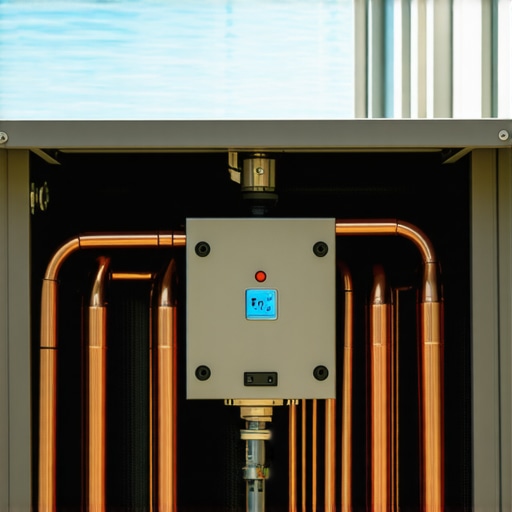
In the world of HVAC repair, we look at a pilot assembly like a living organism. You have the orifice, which is a tiny brass hole that regulates the flow of the gas; the thermocouple, which acts as the nervous system; and the gas valve, which is the heart. Propane, or ‘LP’ as we call it in the trade, is a heavy, lazy gas. Unlike natural gas, which is lighter than air and floats away when there is a leak, propane is heavier. It pools in the bottom of your heater cabinet like water. If your pilot isn’t staying lit, that propane is sitting there, waiting for a ‘Sparky’ to come along and create a very expensive firework. Most issues stem from the thermocouple. This is a simple device that uses the Seebeck effect—two dissimilar metals joined together that create a tiny millivolt electrical signal when heated. If that flame isn’t hitting the tip perfectly, the ‘brain’ of the heater thinks the fire is out and shuts the gas valve to prevent your backyard from becoming a crater.
The Forensic Diagnosis: The Orifice and the Spider Trap
When I’m called out for a heating service call on a pool heater, the first thing I check isn’t the electronics—it’s the bugs. Spiders love the smell of the mercaptan we add to propane. They crawl into the pilot orifice and spin webs that are essentially flame-retardant. This disrupts the laminar flow of the gas. Instead of a sharp, blue torch hitting the thermocouple, you get a lazy, flickering yellow flame that the wind blows out. This is why airflow measurement services are just as vital for a pool heater as they are for a high-efficiency furnace installation. If the draft is wrong, the flame won’t stay centered. I’ve seen homeowners try to ‘fix’ this by poking a paperclip into the orifice. Congratulations, you just turned a precision-machined part into a jagged hole that will now over-fire and soot up your heat exchanger in three days. Don’t do it. If you’re tired of the propane dance, it might be time to look into heat pump solutions for efficient home comfort that don’t rely on a fickle pilot light.
Thermodynamic Zooming: The Hidden Role of Moisture
In colder northern climates, we deal with a phenomenon called ‘regulator freeze-up.’ Propane is stored as a liquid and turns into a gas. This transition requires heat. If you are pulling high volumes of propane to heat a 20,000-gallon pool when it’s 50 degrees outside, the regulator can actually freeze shut. This starves the pilot of its ‘juice’ (refrigerant guys use that word for gas too, sometimes). You think the heater is broken; in reality, the physics of evaporation is just working against you. This is the same logic we apply to geothermal heat pump systems—we are moving energy from one place to another, but if the temperature delta is too high, the system stalls. If your pilot goes out only when the main burner tries to kick on, you have a gas pressure drop problem. You’re trying to suck a milkshake through a cocktail straw.
“The most expensive equipment in the world cannot overcome a bad duct system—or an undersized gas line.” – Industry Axiom
Propane vs. The World: Efficiency and Conversion
Propane is a powerhouse—it has about 2,500 BTUs per cubic foot compared to the 1,000 BTUs you get from natural gas. But it’s expensive. I often consult on propane conversion services for homeowners who are tired of the delivery truck and want to switch to more stable options. Whether you are looking at commercial furnace repair for a club pool or a residential unit, the goal is always the same: keep the heat in the water, not out the chimney. This is why attic insulation for heating and proper building envelopes matter. While you aren’t insulating your pool, you are insulating the system that provides its energy. If your heater is more than 10 years old, you’re likely running at 70% efficiency. That means for every $100 of propane you buy, $30 is literally vanishing into the air as waste heat.
The Maintenance Scam vs. Real Protection
I despise ‘Sales Techs’ who show up, spray a little WD-40 on a hinge, and call it a ‘tune-up’ before quoting you $5,000 for a new unit. A real technician will check the millivolt output of that thermocouple with a multimeter. If it’s reading below 20mV, it’s dying. Period. We also check for sooting. If I see black soot on your burner tray, you have an air-to-fuel ratio problem. This isn’t just about the pool; it’s a safety issue. Much like how a UV light installation for HVAC cleans the air in your home, keeping your burner orifices clean ensures that you aren’t breathing in CO2 or carbon monoxide while you’re trying to relax in the hot tub. For those concerned about long-term system health, reading up on top HVAC repair strategies to extend your system’s life can save you thousands in premature replacements.
Upgrading the Experience: Filters and Air Quality
People forget that these heaters have filters too—not just for the water, but for the air intake. If your pool area is dusty or you have a lot of cottonwood trees, that debris gets sucked into the burner. It’s no different than why we recommend MERV filter upgrades for your home’s furnace. If the heater can’t ‘breathe,’ the combustion temperature spikes, which can warp the heat exchanger. Once that metal cracks, you’re done. You can’t put ‘pookie’ (mastic) on a cracked heat exchanger. It’s a death sentence for the machine. If you’re struggling with a system that feels like a money pit, check out this preventative heating maintenance guide to see what a real pro should be doing during a service call.
Final Verdict: Stop Guessing
Your pool heater pilot won’t stay lit because something is interrupting the delicate balance of gas pressure, heat-induced electricity, and oxygen. It could be a $15 thermocouple, or it could be a gas line that was buried too shallow by a lazy ‘tin knocker’ years ago. Don’t let a sales-driven company talk you into a total replacement until you’ve had a forensic diagnosis. Physics doesn’t lie, but people do. If you need a real set of eyes on your system, don’t hesitate to contact us. We’ll bring the manometers and the experience, and we’ll leave the sales pitches at the door. For more information on how we handle your data, see our privacy policy. Whether it’s a high-efficiency furnace installation or a stubborn pool pilot, the answer is always found in the airflow and the numbers, never in a glossy brochure.