The Sound of a Dying Compressor and the Smell of a Scam
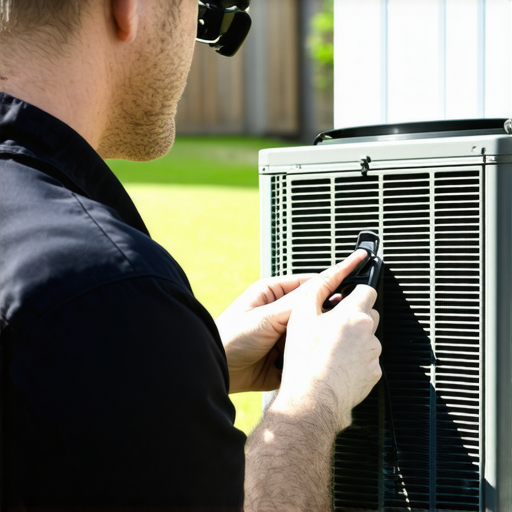
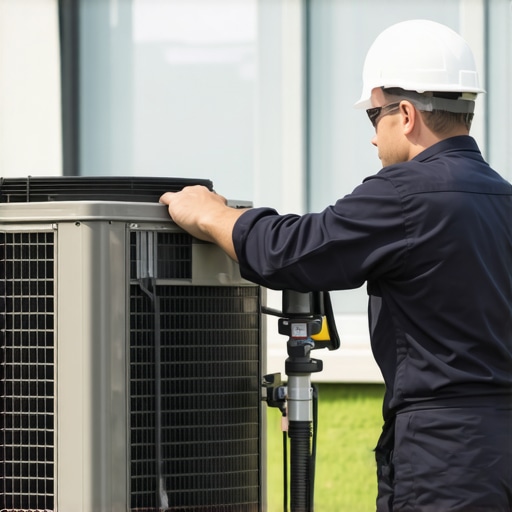
I remember a snowy Tuesday in February, standing in the basement of a century-old cathedral. The air smelled of wet stone and ancient dust. I was there because a ‘Sales Tech’—one of those guys with a crisp white shirt and no dirt under his fingernails—had just told the parish council they needed a $60,000 replacement for their church heating systems. He claimed the ‘juice’ was gone and the system was obsolete. I walked over to the unit, hooked up my gauges, and saw the suction line was flat. But it wasn’t a dead compressor; it was a $5 vibration rub on a copper line. That ‘tech’ didn’t even own a leak detector; he just owned a commission-based soul. I’m tired of seeing homeowners and building managers pay for ‘air’ because some guy is too lazy to find a leak. By 2026, the cost of R-410A is going to make your mortgage look like pocket change. If you don’t fix the leak now, you aren’t just losing cooling; you’re losing equity.
The Thermodynamic Reality: Why ‘Topping Off’ is a Crime
Let’s talk physics, not sales pitches. Your AC or dual fuel heat pump systems are sealed loops. If you need more refrigerant, you have a hole. Period. When a system is low on gas, the evaporator coil temperature drops too far. Instead of the refrigerant boiling off at a controlled 40°F to pull latent heat (that sticky humidity) out of your air, it drops below the dew point of the metal itself. The coil ices over, turning into a block of useless Darwinian failure. You aren’t just ‘low on gas’; you’re killing the compressor because it’s trying to compress liquid refrigerant that didn’t turn into a vapor—we call that ‘slugging,’ and it sounds like a hammer hitting a tin can until the internal valves shatter.
“The most expensive equipment in the world cannot overcome a bad duct system or a neglected refrigerant circuit.” – Industry Axiom
Fix 1: The Evaporator Coil Surgical Strike
In our climate, where we transition from steam boiler repair needs in the winter to high-humidity cooling in the summer, the evaporator coil is the primary victim of formicary corrosion. These are microscopic tunnels bored through the copper by VOCs in your home air. By 2026, with the transition to A2L refrigerants like R-454B, you can’t just patch these easily. The fix is a total coil replacement paired with attic insulation for heating and cooling efficiency. If your tech doesn’t check the static pressure before installing a new coil, he’s a hack. High static pressure is the ‘silent killer’ that causes the vibrations leading to these leaks. Make sure they use ‘Pookie’ (mastic) to seal the plenum tightly, or you’re just cooling the spiders in your crawlspace.
Fix 2: The Schrader Valve and Service Port Integrity
You’d be shocked how many ‘leaks’ are actually just a 50-cent valve core that’s given up the ghost. These are like the valves on your car tires. Over time, the heat cycles of a capacitor replacement services call—where the unit starts and stops violently—vibrates these valves loose. I’ve seen ‘Sales Techs’ quote a whole new condenser when all the unit needed was a brass cap with a rubber O-ring. In 2026, we’ll be using remote thermostat access to monitor subcooling in real-time. If I see the subcooling dropping but the high-side pressure staying steady, I’m looking at those service ports first. It’s the easiest fix in the book, yet it’s the most overlooked.
Fix 3: Transitioning from Oil to Gas and Dual-Fuel Logic
If you’re still running an old R-22 beast and staring at a oil to gas conversion, 2026 is your deadline. The new EPA regulations are pushing us toward ‘mildly flammable’ refrigerants. If your system is leaking now, the cost of the old gas will soon exceed the cost of a furnace ignition repair or a full system upgrade. A dual-fuel setup—pairing a high-efficiency gas furnace with an electric heat pump—is the smartest move for the Northeast and Midwest. You get the ‘beer can cold’ suction line in the summer and the scorching heat of gas when the polar vortex hits. It’s about sensible heat versus latent heat. You want a system that can handle both without leaking your retirement fund into the atmosphere.
“Proper refrigerant charging and leak detection are mandatory requirements under Section 608 of the Clean Air Act to prevent atmospheric degradation.” – EPA Regulations
Fix 4: Addressing the ‘Ghost Leaks’ in Spa and Electric Systems
Sometimes the leak isn’t in the main house. I’ve dealt with spa heater services and electric heater services where the refrigerant lines were buried in acidic soil without protection. This is ‘Tin Knocker’ 101: never bury copper without a PVC sleeve. These ghost leaks will drain a system in a month. If you have a steam boiler repair specialist who doesn’t understand the chemistry of the water or the refrigerant, you’re in trouble. Corrosion is a universal enemy. Whether it’s furnace ignition repair or a refrigerant leak, the root cause is usually a lack of preventative heating maintenance. You have to keep the coils clean. A dirty coil raises head pressure, which pushes the ‘juice’ out of the weakest point in the system.
The 2026 Outlook: Why Airflow is Still King
Whatever you do, don’t let a ‘Sparky’ (electrician) or a general handyman touch your refrigerant lines. HVAC is a balance of chemistry, physics, and heavy lifting. If your tech doesn’t talk about Manual J load calculations or Manual D duct design, he’s just guessing. You can find more top HVAC repair strategies online, but the truth is simple: keep it clean, keep it sealed, and stop paying for air. If you’re ready to stop the bleeding, you can contact us for a real diagnostic, not a sales pitch. We’ll check everything from your capacitor replacement services to your remote thermostat access settings to ensure you aren’t just throwing money out the window. Remember, a well-maintained system doesn’t just feel better; it’s the difference between a $20 fix and a $15,000 nightmare.