The Sound of a Silent Killer
I’ve spent thirty years in this trade, most of it melting in attics or kneeling in two inches of icy slush in a dark basement. I’ve seen it all, but nothing gets my blood pressure up like the sound of a boiler ‘chuffing’ because it can’t vent. Last winter, I followed a ‘Sales Tech’—one of those guys who wears a white shirt and spends more time on his hair than his manifold gauges—who quoted a sweet old grandmother $18,000 for a total system replacement. He told her the heat exchanger was shot. I walked in, saw the ‘tin knocker’ had used the wrong gauge pipe, and realized the real culprit was a collapsed clay chimney liner. A $20 capacitor wasn’t the fix here, but a $1,500 liner saved her fifteen grand and likely her life. That’s the difference between a technician and a salesman.
“The most expensive equipment in the world cannot overcome a bad duct system—or a failing flue.” – Industry Axiom
In the North, where the polar vortex turns your bones to ice, we don’t play games with combustion. When you’re running a high-efficiency furnace or a heavy-duty boiler, the physics of draft are non-negotiable. Most people think a chimney is just a brick hole in the house. It’s not. It’s a thermodynamic vacuum. If that vacuum fails, the acidic condensate from your heating service eats your house from the inside out. As we move into 2026, the regulations on venting are tightening, and for good reason. Here are the three hidden benefits of a professional liner installation that the ‘Sales Techs’ won’t tell you because there’s not enough commission in it for them.
1. Stopping the Acidic Erosion of Masonry
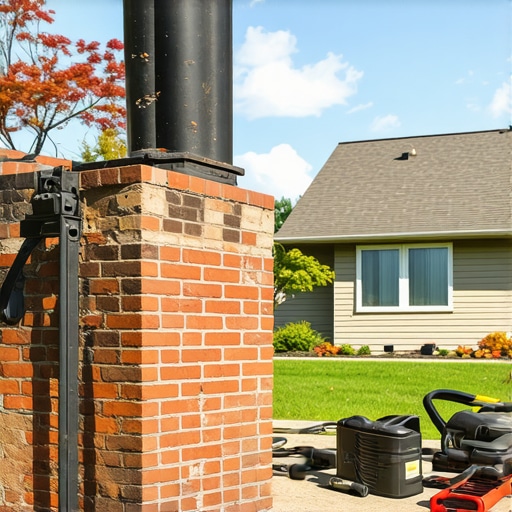
When you burn gas or oil, you’re creating water vapor and sulfur dioxide. In the old days, with inefficient 60% AFUE boilers, the flue gases were hot enough to stay in a gaseous state until they cleared the chimney cap. But today’s equipment is too efficient for its own good. We’re extracting so much heat for the home that the exhaust is ‘cool’—around 120°F to 140°F. When those cool gases hit a cold, unlined brick chimney in January, they reach the dew point immediately. The vapor turns into liquid water. That water mixes with sulfur to create sulfuric acid. I’ve seen chimneys where the mortar looks like wet sand because the acid has turned it back into dust. A professional stainless steel liner acts as a shield. It keeps the ‘juice’ off the brick. This is why a proper annual heating inspection must include a camera drop down the flue. Without a liner, you’re just waiting for the chimney to crumble into the blower motor replacement you’ll eventually need when the backpressure kills the fan. You can find more on keeping your unit alive in our top hvac repair strategies.
2. The Venturi Effect and Draft Optimization
Airflow is the only thing that matters. If your chimney is too wide, the flue gases lose their velocity. They stall out, cool down, and sink back into the house. This is what we call backdrafting. A pro-installed liner is sized specifically to the BTU output of your equipment. It’s about creating a Venturi effect—constricting the path to increase the velocity. This ensures that every bit of carbon monoxide is pulled out of the heat exchanger and thrown into the atmosphere. When the draft is correct, your furnace flame sensor cleaning lasts longer because the combustion is cleaner. I’ve seen boiler maintenance services go south because the tech didn’t realize the chimney was the bottleneck. If you’re looking at financing for heat pump installs, remember that hybrid systems still need a functional backup gas vent. You can’t just ignore the flue because you added a fancy outdoor unit. Proper venting is the heart of preventative heating maintenance.
“Ventilation systems shall be designed and installed so that the flue gases are conveyed to the outdoors without leaking into the structure.” – NFPA 211 Standard
3. Future-Proofing for 2026 Hybrid Transitions
By 2026, the push for electrification is going to hit a fever pitch. We’re seeing more ductless mini-split installation and heat pump solutions for efficient home comfort than ever before. But here’s the trap: many homeowners keep their old boilers or furnaces as ’emergency heat.’ When you downsize the frequency of your furnace use, the chimney stays colder for longer. A cold chimney is a dangerous chimney. Installing a high-quality liner now ensures that when you do switch to a hybrid system, your backup heat source isn’t a carbon monoxide hazard. While you’re at it, don’t forget the other air paths in the house. Dryer vent cleaning and HEPA filter systems are great, but they don’t mean much if you’re breathing in combustion byproducts. If you’re feeling a draft or seeing white powder (efflorescence) on your chimney bricks, it’s time to call a real technician. Don’t let a ‘Sparky’ or a ‘Tin Knocker’ who doesn’t understand thermodynamics tell you it’s ‘fine.’ It’s only fine until it isn’t. Check out how to find a real pro in our guide on choosing the best heating service or contact us for a real diagnosis. We don’t just sell boxes; we fix physics.
Reading through this article really opened my eyes to how much damage can be done by neglecting chimney maintenance, especially with the advances in heating technology. I’ve personally seen old, brick chimneys crumble from acid erosion, which could’ve been prevented with a quality liner. It’s interesting to note that even in milder climates, the presence of sulfuric acid can cause serious issues over time. I wonder, with the increased adoption of hybrid systems and heat pumps by 2026, how many homeowners are aware that their backup fossil fuel systems need proper venting to prevent dangerous backup from acids or backdrafting? In my experience, regular inspections and using liners tailored to the specific BTU output of the appliances can save a lot of headaches—and money—down the line. Have others found that their HVAC professionals are proactive about recommending these liners, or is it still mostly overlooked? It seems like a small step that can really extend the life of your system and ensure safety.
This article really highlights an often overlooked aspect of home safety and efficiency—chimney liners. I’ve seen firsthand how neglecting the integrity of a chimney can lead to serious issues, especially as newer equipment becomes more efficient and cooler in its exhaust. The point about acid erosion is critical; a proper stainless steel liner acts as a shield not just for safety but for long-term durability of the masonry. I also think the focus on draft optimization through correct sizing of liners is crucial because many homeowners might not realize that improper venting can cause not only safety hazards but also diminish heating efficiency. With the upcoming widespread adoption of heat pumps and hybrid systems by 2026, do you think more homeowners will understand the importance of ensuring their existing chimneys are properly maintained and lined? From your experience, are HVAC pros increasingly proactive about recommending this, or is it still a niche service? It seems like a small investment that offers peace of mind and significant savings over time.