The Silent Death of a Winter Home
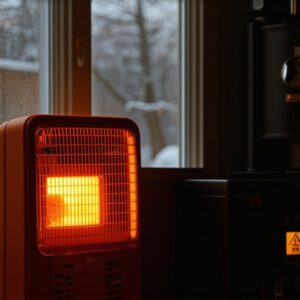
The most terrifying sound in a house during a Northeast blizzard isn’t the wind howling against the siding; it’s the silence. It’s that 3 AM realization that the blower motor hasn’t kicked on in forty-five minutes. You crawl out of bed, check the hallway, and the thermostat says a cozy 72°F. You think you’re safe. But in the crawlspace, the copper water lines are screaming. They are sitting in 28-degree stagnant air because your smart thermostat, tucked away in a master bedroom with a south-facing window, thinks the job is done. This is the danger of the ‘Smart Home’ era—tech that’s too smart for its own thermodynamic good.
The Physics Lesson: Why BTUs Don’t Stop Ice
My old mentor, a man who had more soot in his lungs than a 1950s oil burner, used to scream at me every time I reached for a manifold gauge without checking the return air first. ‘You can’t heat what you can’t touch!’ he’d bark. This is why airflow matters more than raw horsepower. In a cold climate like Chicago or the Tri-State area, we aren’t just fighting the cold; we are managing the Thermal Envelope. When you install a remote sensor in a sunny living room, the furnace shuts down. But the furnace isn’t just for you; it’s for the house’s infrastructure. If the zoning system installation isn’t calibrated correctly, your gas furnace repair bill will be the least of your worries when a burst pipe floods your basement.
“Design of the duct system shall be such that the supply air temperature is maintained within the manufacturer’s specified range, ensuring even distribution and preventing stagnant cold pockets.” – ACCA Manual D
Thermodynamic Zooming: How Your Furnace Really Works
Let’s talk about sensible heat. When your furnace fires, the furnace ignition repair tech isn’t just making a spark; they are initiating a chemical reaction that transfers energy through a heat exchanger. In a high-efficiency 90%+ AFUE unit, we are squeezing every drop of energy out of that gas, even condensing the flue gases into liquid. But if the thermostat satisfies too quickly—due to a remote sensor being in a ‘hot spot’—the furnace short-cycles. The primary heat exchanger gets hot, but the air in the far corners of the house, where the plumbing is tucked against the exterior walls, never moves. You need a furnace tune-up services professional who understands Static Pressure. If your tin knocker didn’t size the returns right, that remote thermostat is basically a kill-switch for your plumbing.
The Forensic Diagnosis: Anatomy of a Freeze
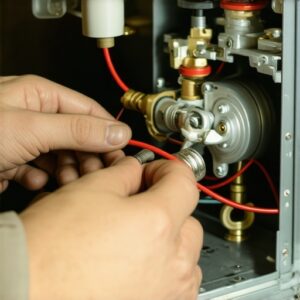
When I go out for a gas furnace repair call in the dead of January, I’m looking at the anatomy of the system. I check the furnace ignition repair history, sure, but I’m looking at the thermostat’s offset settings. If you’re using a remote sensor, you are essentially telling the furnace to ignore the rest of the house. In a large shop, this is even worse. I’ve seen shop heater services called out because the office was warm while the warehouse pipes were bursting. The solution isn’t just turning up the dial; it’s zoning system installation. You need the system to understand that the basement needs a ‘call for heat’ even if the master bedroom is fine. Heat recovery ventilators (HRVs) can help by moving air around without losing all your sensible heat, keeping the house’s IAQ (Indoor Air Quality) high while preventing those stagnant cold spots.
The Commercial Crisis: Kitchens and Exhausts
This isn’t just a residential problem. Think about restaurant kitchen exhaust repair. If your exhaust fan is pulling 5,000 CFM out of the building and your make-up air unit is tied to a thermostat in the dining room, you’re in trouble. If that dining room is packed with 50 hungry bodies, the thermostat says ‘I’m warm!’ while the kitchen pipes are sucking in sub-zero air from the back door. Proper IAQ improvement services and air purification integration must be balanced with the mechanical load of the building. You can’t just slap a ‘smart’ sensor on the wall and hope for the best. You need to seal those leaks with Pookie (mastic) and ensure the duct cleaning services haven’t left a pile of debris blocking a crucial bypass damper.
“A properly functioning heating system must not only provide heat but ensure the safety of the occupants and the structural integrity of the building through controlled combustion and venting.” – ASHRAE Standard 62.1
When to Call the Pros (And Avoid the Scams)
I despise ‘Sales Techs’ who see a flickering flame and immediately quote you $12,000 for a new system. Most of the time, your ‘failed’ furnace is just a dirty flame sensor or a clogged condensate trap. Before you buy a new unit, check the basics. Are your filters clean? Is your air purification integration system dragging down your static pressure? A real tech, someone who knows their way around a heat pump solution for 2025, will tell you that a preventative maintenance plan is cheaper than an emergency pipe burst. If you need to find a real expert, look for someone who talks about airflow, not just brands. You can learn more about choosing a heating expert here. Don’t let a $200 ‘smart’ gadget cause $20,000 in water damage. Balance your airflow, check your sensors, and for heaven’s sake, keep the ‘Gas’ (refrigerant) for the summer and focus on the ‘Fire’ for the winter.
If you’re smelling something sour or hear a screech from your blower, don’t wait. Contact us before the mercury drops and the pipes start to groan. It’s better to pay for a furnace tune-up service now than a plumber and a drywall crew later.
{ “@context”: “https://schema.org”, “@type”: “HowTo”, “name”: “How to Prevent Pipe Freezes Caused by Remote Thermostat Sensors”, “description”: “Learn how to properly configure your smart thermostat and remote sensors to ensure your furnace protects your plumbing during extreme cold.”, “step”: [ { “@type”: “HowStep”, “text”: “Locate your remote sensors and ensure they are not placed in areas with supplemental heat sources like fireplaces or direct sunlight.” }, { “@type”: “HowStep”, “text”: “Set your thermostat to ‘Average’ the temperature across all sensors rather than prioritizing a single ‘Comfort’ sensor during night hours.” }, { “@type”: “HowStep”, “text”: “Schedule a furnace tune-up to ensure your fan limit switch and blower motor are operating at peak efficiency to move air to distant zones.” }, { “@type”: “HowStep”, “text”: “Seal duct leaks in unconditioned spaces using mastic (Pookie) to ensure warm air reaches the far ends of the run.” } ] }