The 2026 Utility Shock: Why Your Old Heating Strategy is Obsolete
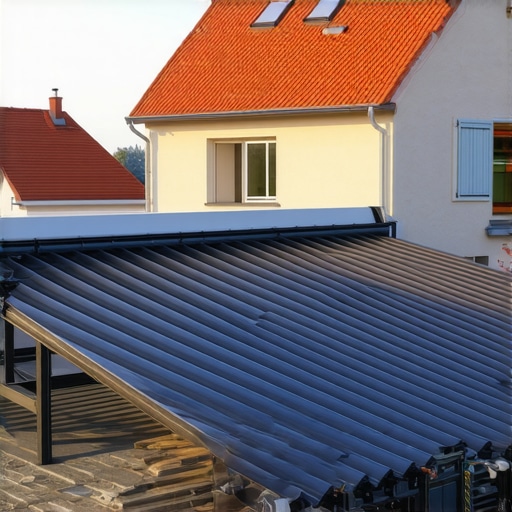
Listen, I’ve spent thirty years crawling through spider-infested crawl spaces and dragging my knuckles across jagged ductwork, and I’ve never seen a regulatory mess quite like what we’re facing in 2026. We’re standing on the edge of a cliff. Between the mandatory R-454B refrigerant transition services and the skyrocketing cost of fossil fuels, the old way of just slapping a mid-efficiency furnace in a basement and calling it a day is dead. If you’re still thinking about heating as a simple ‘on or off’ fire box, you’re going to get bled dry by the utility companies. The smart money is moving toward integration—specifically, marrying solar thermal collectors with modern hyper-heat heat pumps. But it isn’t as simple as just bolting a panel to the roof. If the physics of your airflow isn’t right, you’re just buying expensive jewelry for your house.
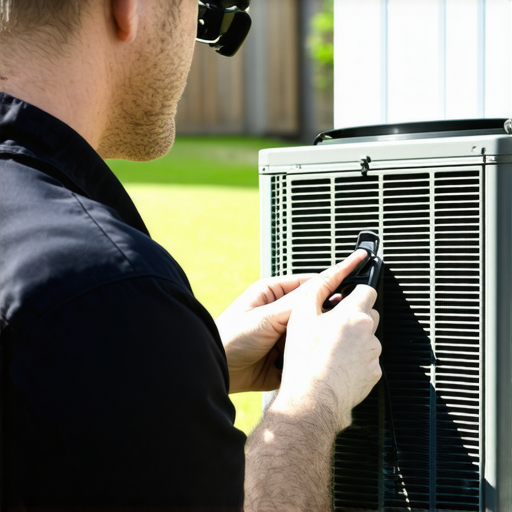
I followed a ‘Sales Tech’ last winter into a local boutique hotel that was getting crushed by hotel boiler services costs. This kid, probably three weeks out of a ‘sales academy’ and wearing a shirt so clean he’d clearly never seen a combustion chamber, was trying to convince the owner that their entire hydronic loop was compromised. He quoted her $85,000 for a total system replacement, claiming the heat exchanger was ‘bleeding CO.’ I pushed him aside, pulled the burner assembly, and found a dead starling wedged in the intake. A $150 cleaning and a minor adjustment to the gas pressure, and that boiler was purring. That’s the difference between a technician and a salesman. You need to know how the machine breathes. This same logic applies to integrating solar thermal into your existing heating service. It’s about the science of the BTU, not the shiny brochure.
“Residential systems shall be designed to provide a minimum of 0.35 air changes per hour but not less than 15 cfm per person.” – ASHRAE Standard 62.2
Fix 1: The Hyper-Heat and Solar Thermal Hybrid Loop
The biggest mistake I see in the field is people trying to use solar thermal as a standalone source in a northern climate. When the temperature drops to -10°F, that solar panel is struggling. This is where hyper-heat heat pumps come into play. These aren’t your grandpa’s heat pumps that stopped working at 40°F. These units use flash-injection technology to maintain 100% capacity even when the air outside is cold enough to crack a brass monkey. By integrating solar thermal, you’re essentially pre-heating the medium. This reduces the ‘lift’ the compressor has to perform. When the compressor doesn’t have to work as hard to hit that target temperature, it stays out of high-stage, saving you a fortune on ‘the juice’ (electricity). If you haven’t checked out the latest heat pump solutions for efficient home comfort in 2025, you’re missing the first piece of the 2026 puzzle.
Fix 2: Mastering Static Pressure with Zoning System Installation
You can have the most advanced solar thermal array in the state, but if your ductwork was sized by a tin knocker who was in a hurry, you’re losing 30% of your efficiency to static pressure. Zoning system installation is the only way to handle the variable loads of a solar-integrated home. In the morning, the solar gain on the south side of the house might be huge, while the bedrooms are still freezing. A proper zoning system uses motorized dampers to direct that solar-heated air exactly where it needs to go. Without it, you’re just over-pressurizing the trunk line and whistling air through the leaks in your ‘Pookie’ (mastic) joints. It’s about balance. If you don’t control the airflow, you don’t control the comfort.
Fix 3: The R-454B Refrigerant Transition and Safety
We need to talk about the ‘gas’ in the lines. The industry is moving away from R-410A because of its high Global Warming Potential. We are entering the era of A2L refrigerants, specifically R-454B. This stuff is ‘mildly flammable.’ Now, don’t panic—it’s safe if handled by a pro—but it requires specialized sensors and updated R-454B refrigerant transition services. When you integrate solar thermal with your HVAC, you’re adding complexity to the refrigerant cycle. You need a technician who knows how to handle the higher pressures and the specific leak-detection requirements of these new systems. If your guy shows up with an old manifold and no vacuum pump, kick him off the job site. You can find more on this in our guide to top hvac repair strategies to extend your systems life.
“The most expensive equipment in the world cannot overcome a bad duct system.” – Industry Axiom
Fix 4: Crawl Space Heating Solutions and the Stack Effect
If your feet are cold, your whole body is cold. In many northern homes, the biggest heat loss occurs through the floor. Crawl space heating solutions, like encapsulating the space and adding a dedicated solar-fed heat loop, stop the ‘stack effect.’ This is when cold air is sucked in through the bottom of the house while your expensive warm air escapes through the attic. By stabilizing the temperature in the crawl space, you reduce the load on your primary heating system. This is also the perfect time to look at pellet stove repair or maintenance if you use biomass as a backup. A well-maintained pellet stove provides that dry, radiant heat that solar thermal sometimes lacks on cloudy days.
Fix 5: Air Purification and UV Light Integration
Modern homes are built tight to save energy, but that means you’re breathing the same stale air over and over. When you integrate solar heating, you’re often running the blower motor more frequently at lower speeds. This is the perfect opportunity for UV light installation for HVAC and air purification integration. The UV light kills the ‘fuzz’ (mold) that grows on the evaporator coil when the latent heat removal isn’t perfect. This ensures that the air being moved by your WiFi thermostat integration isn’t just warm—it’s clean. A smart thermostat can sense the indoor air quality and ramp up the filtration without you ever lifting a finger.
The Final Word on 2026 Efficiency
Don’t let a salesman talk you into a ‘one-size-fits-all’ box. HVAC is physics, and physics doesn’t care about a sales quota. Whether you’re looking at choosing the best heating service expert tips for 2025 or preparing for the 2026 mandates, remember that maintenance is the only thing standing between you and a $10,000 repair bill. Check your filters, seal your ducts with real ‘Pookie,’ and make sure your suction line is ‘beer can cold’ during the summer and your discharge air is scorching in the winter. If you need a professional who knows the difference between a capacitor and a contactor, contact us today. For more details on keeping your system running, read our preventative heating maintenance guide. Your utility bill in 2026 depends on the decisions you make right now. [IMAGE_PLACEHOLDER]