The Sound of a Starving Fire
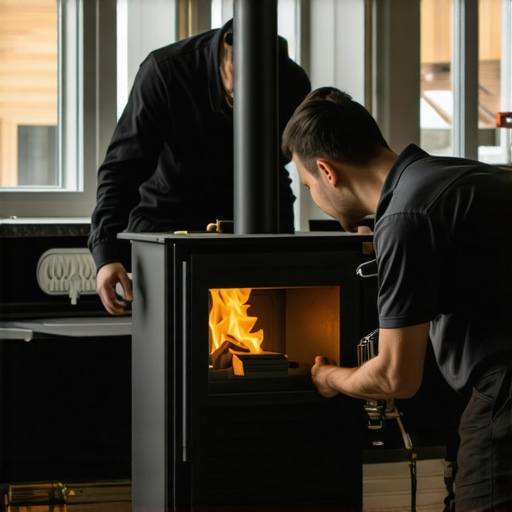
You can tell a lot about a house by the way a fire dies. I’ve spent thirty years in the freezing mud of the Northeast, crawling into crawlspaces to diagnose why a high-efficiency furnace is locking out, only to find the owner just installed a massive wood-burning stove that’s sucking every cubic foot of oxygen out of the building. My old mentor, a grizzled tin knocker who could smell a gas leak from a block away, used to scream at me, ‘You can’t burn what you can’t feed!’ He wasn’t talking about wood; he was talking about the physics of air. If you don’t give a stove its own dedicated air supply, it will find it elsewhere—usually by pulling carbon monoxide back down your water heater vent. That is the reality of thermodynamic pressure, and it’s why airflow is the absolute king of home safety.
The North Country Reality: Why 2026 Standards Matter
In our climate zone, where the mercury regularly hides below zero, we don’t just deal with cold; we deal with the physics of extreme temperature differentials. When you install a fireplace insert or a wood stove in 2026, you aren’t just ‘adding a heater.’ You are altering the pressure vessel of your home. Modern homes are built tight—wrapped in plastic and sealed with pookie. In the old days, ‘leaky’ houses provided plenty of combustion air. Today, without proper duct design services to manage makeup air, your wood stove becomes a vacuum pump. If you’re also running a restaurant kitchen exhaust repair nearby or even a heavy-duty bath fan, you’re looking at a backdraft scenario that no CO detector can fully protect you from if the physics are fundamentally broken.
“The most expensive equipment in the world cannot overcome a bad duct system.” – Industry Axiom
1. The ‘Combustion Air’ Equation
The first safety check is the most ignored: Dedicated Outdoor Air Systems (DOAS). You need to ensure the stove isn’t competing with your two-stage furnace installation for ‘juice’ (in this case, oxygen). In the cold North, we see ‘flame rollout’ in furnaces because a wood stove in the basement is creating a negative pressure zone. 2026 standards mandate that high-output stoves in tight envelopes must have a direct-to-firebox intake. If your installer isn’t talking about static pressure, they aren’t a technician; they’re a salesman. This is as critical as hospital HVAC zoning; you have to control where the air goes, or the air will control you.
2. Clearance to Combustibles: The Pyrolysis Trap
I’ve seen ‘Sales Techs’ tell homeowners that a double-wall pipe means they can shove a stove right against a wall. That’s a lie that leads to a structure fire. Pyrolysis is a chemical decomposition of organic material (like your wall studs) caused by long-term exposure to heat. It doesn’t happen overnight. It takes years of the stove being ‘just a little too close’ until the ignition temperature of the wood drops so low that it catches fire at 200°F. When we perform HVAC repair or install shop heater services, we check the R-value of the surroundings. Ensure your 2026 installation uses UL-listed floor protectors and maintains the specific ‘distance to juice’ required by the manufacturer.
3. The Chimney/Flue Integrity and ‘The Draft’
A chimney is a mechanical pump powered by heat. In hydronic heating systems, we use pumps to move water; in a stove, we use the density difference between hot and cold air to move smoke. If your flue is oversized, the smoke cools too fast, slows down, and dumps creosote. This is why fireplace insert services are so technical—you have to reline the masonry with a stainless steel sleeve that matches the stove’s BTU output. I’ve caught guys trying to vent a stove into a 12×12 clay tile flue meant for a massive open fireplace. That’s a recipe for a chimney fire that sounds like a freight train on your roof. Always check for ‘suction line’ integrity—if it isn’t pulling a draft when cold, it won’t pull when it’s -20°F outside.
4. Integration with Existing HVAC and Relay Services
How does your stove talk to your furnace? In 2026, smart homes use relay services to interlock the wood stove’s blower with the central HVAC fan. This prevents ‘heat stratification’ where your upstairs is 85°F and your basement is 50°F. By tying the systems together through a professional HVAC repair strategy, you can use the central ducts to distribute that wood heat. This is a far better approach than ‘short cycling’ your furnace because a thermostat is located too close to the stove. If you need help balancing these complex systems, contact us for a professional assessment.
“Solid fuel-burning appliances shall be vented in accordance with the manufacturer’s instructions and local building codes to prevent the accumulation of hazardous gases.” – NFPA 211 Standard
5. The Steam and Hydronic Cross-Check
If you have an older home with steam boiler repair needs or hydronic heating systems, a wood stove adds another layer of complexity. I’ve seen homeowners shut off their radiators because the wood stove is ‘doing the job,’ only to have their pipes freeze in the exterior walls because there’s no longer warm water circulating through those zones. Safety in 2026 isn’t just about fire; it’s about system-wide health. You need to ensure that your wood stove installation doesn’t orphan your primary heating system. For more on keeping your primary system healthy, check out this guide on preventative heating maintenance for homeowners.
The Final Word: Physics Doesn’t Care About Aesthetics
I know the wood stove looks beautiful in the brochure. But as an Airflow Architect, I care about the acidic smell of creosote and the static pressure of your living room. Before you sign a contract, ask the ‘Sparky’ (electrician) if your CO detectors are interconnected and ask your ‘Tin Knocker’ (duct guy) if your return air is sufficient. Don’t fall for the ‘Sales Tech’ pitch of a cheap install. Learn more about choosing the best heating service expert before you cut a hole in your roof. Proper installation is the difference between a cozy winter and a midnight visit from the fire department. For those looking to maximize their current setup, I recommend studying top HVAC repair strategies to ensure your whole-home comfort remains balanced. If you’re considering a more modern alternative, look into heat pump solutions for 2025 which can complement your wood heat without the airflow headaches. Check our privacy policy for how we handle your data when you reach out for a consultation.