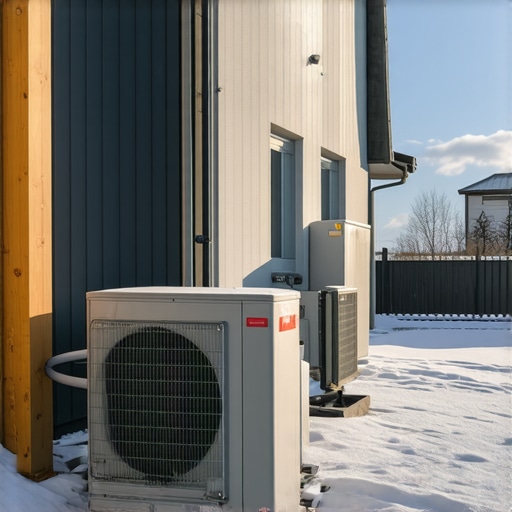
Have you ever had that sinking feeling when you stumble out of bed during a cold winter morning, only to realize your heat pump isn’t cooperating? I remember a winter just a couple of years ago when my own system sputtered to a halt right as temperatures plunged. That moment made me rethink my approach to winter HVAC care—turns out, even minor oversights can leave you shivering and stressed when you need warmth the most.
Why Winter HVAC Maintenance Can’t Wait
Getting prepared for the cold months isn’t just about turning up the thermostat. It’s about ensuring your heat pump and heating systems work efficiently when the frost is on the window. A little proactive maintenance means fewer surprises, lower energy bills, and the peace of mind that you’re cozy all winter long. Plus, according to the Department of Energy, regular HVAC tune-ups can boost efficiency by up to 30%, which is a huge win when cold weather hits.
Question: Is Boosting Your HVAC System Overhyped or Essential?
Looking back, I made the mistake early on of ignoring simple upkeep—bypassing annual checks, thinking I was saving money. That easy oversight cost me a lot more in both time and discomfort when winter arrived. But since then, I’ve learned that proper maintenance isn’t a luxury; it’s a necessity. Want to avoid those chilly mornings and unexpected breakdowns? Stick around, because I’ll share practical tips that helped me—and can help you—stay ahead of the winter chill.
Inspect and Clean Your System Thoroughly
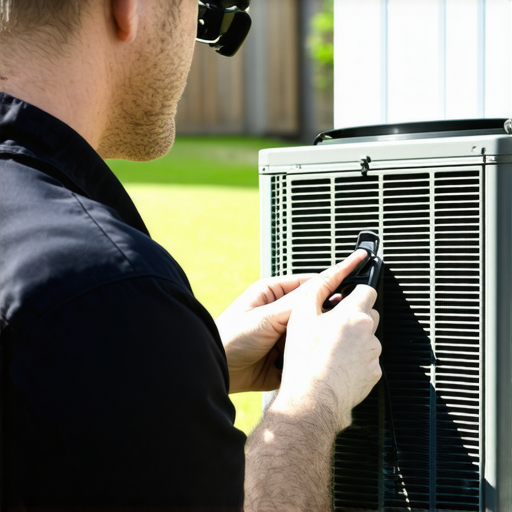
Start by turning off your heat pump and removing any debris from around the unit. Use a stiff brush to clear dirt, leaves, or snow that may block airflow. Check the air filters—if they’re dirty, replace them immediately. Think of your HVAC system like a car; regular cleaning and checks keep it running smoothly during peak season.
Replace Air Filters and Clear Vents
Replace your filters with high-efficiency ones suitable for winter months. Dirty filters reduce airflow, making your system work harder and less effectively. Also, ensure vents aren’t obstructed by furniture or curtains, which can impede warm air circulation. During my last maintenance, I realized that a simple filter swap improved my system’s efficiency, saving me from future breakdowns.
Check Thermostat Settings and Functionality
Verify your thermostat accurately reflects your desired temperature. Consider upgrading to a programmable thermostat for smarter control, which can save energy and provide consistent warmth. I once set my thermostat incorrectly, causing my system to cycle irregularly—fixing this made a noticeable difference in comfort and bills.
Test the Thermostat
Set the thermostat to heat mode and increase the temperature to trigger your system. Confirm that the furnace or heat pump activates promptly and that warm air flows evenly. If it doesn’t work as expected, consult a professional to calibrate or replace it—more info on choosing the best heating service experts can be found here.
Schedule Preventative Maintenance Promptly
Booking a professional HVAC tune-up before peak cold weather is like getting a check-up before a marathon. A qualified technician can identify minor issues—like worn belts or refrigerant leaks—before they turn serious. In my recent experience, routine maintenance uncovered a faulty capacitor, which, if left unaddressed, could have left me without heat when it mattered most.
Understanding Heating System Diagnostics
Professionals use diagnostic tools to assess system efficiency and detect hidden problems. They’ll inspect components such as coils, fans, and electrical connections, ensuring everything operates reliably. Regular tune-ups can extend your system’s lifespan and maintain peak efficiency, aligning with expert strategies for long-lasting home comfort.
Enhance Safety and Efficiency
Install carbon monoxide detectors near your heating units and ensure proper venting. Use timers or smart controls to optimize operation times and reduce energy waste. During my last winter prep, adding a CO detector gave me peace of mind, knowing my system’s safeguards were in place.
Seal and Insulate Your Home
Leverage caulking and weather stripping to block drafts around doors and windows. Proper insulation minimizes heat loss, easing the burden on your HVAC system. A well-insulated home keeps warmth inside and reduces your heating costs, aligning with the best HVAC repair strategies for efficiency.
Document and Plan for Repairs
Keep a maintenance log, noting any signs of trouble—strange noises, uneven heating, or increased energy bills. Having a plan for repairs, with trusted professionals like those listed here, ensures quick action when issues arise. Being proactive lets you enjoy consistent warmth all winter long without surprise breakdowns.
Many homeowners operate under misconceptions about heat pump systems and HVAC repairs, often leading to costly mistakes or overlooked opportunities for efficiency. As an HVAC specialist with years of hands-on experience, I’ve seen recurring myths that can sabotage your home’s comfort and your budget. Let’s explore some of these misconceptions and the nuanced realities that savvy homeowners should understand.
The Role of Regular Maintenance Isn’t Just About Catching Problems
Common wisdom suggests maintenance is only needed when something breaks. However, this reactive approach misses the critical importance of routine checks to optimize performance and prevent small issues from escalating. For example, neglecting to inspect refrigerant levels or clean coils can silently reduce system efficiency by up to 25%, as noted in a recent study by the Department of Energy. Proactive maintenance, like detailed diagnostics and precision tune-ups, ensures your system runs at peak efficiency, saving you money on energy bills and extending its lifespan.
Why Overlooking System Calibration Can Trouble Even Professional Repairs
Many assume once repairs are made, systems are perfectly calibrated. Yet, even minor misalignments—in thermostats, sensors, or control boards—can cause uneven heating or increased energy consumption. A miscalibrated thermostat, for instance, can lead your system to cycle excessively or short cycle, reducing lifespan and increasing costs. Ensuring professional technicians perform comprehensive diagnostics, including calibration verification, helps avoid these pitfalls. For more on maintaining optimal system health, consider reviewing expert repair strategies.
Challenging the Myth of the One-Size-Fits-All Maintenance Approach
Many believe that following a generic maintenance checklist suffices. However, HVAC systems vary greatly based on usage patterns, climate, and system age. For example, heat pump systems operating in colder climates require specialized checks like defrost cycle verification and refrigerant pressure adjustments, which are often overlooked by common maintenance routines. Skipping these specifics can lead to reduced efficiency or unexpected failure during peak winter months. Tailoring maintenance programs to your system’s particular needs, and consulting experts like those at preventative maintenance guides, is essential for reliable winter performance.
Why the Largest Mistake Is Usually the Smallest Oversight
One of the most insidious errors is ignoring minor signs—strange noises, inconsistent heating, or slight increases in energy costs—under the assumption they’re insignificant. These initial signals often mask underlying issues such as failing capacitors, refrigerant leaks, or duct obstructions. Addressing these early can prevent major repairs down the line. In my experience, system diagnostics—using advanced tools—often reveal small issues that, if uncorrected, could lead to complete system failure. Regular inspections and maintenance scheduling, like those outlined here, are your best defenses against unexpected breakdowns.
How to Spot Advanced HVAC Issues Before They Become Emergencies
Consider signs that are subtler than obvious failures. For example, inconsistent airflow or subtle odor changes can indicate duct problems or mold growth, which impact both safety and efficiency. High-performance systems, especially heat pumps, depend on precise refrigerant management and proper airflow. A small refrigerant leak, hidden behind the scenes, can significantly reduce efficiency without immediately triggering a fault code. Employing professional diagnostic tools and scheduling routine check-ups can reveal these hidden nuances—protecting your investment in comfort. For in-depth guidance, review heat pump maintenance tips.
In conclusion, understanding the nuanced realities of HVAC systems and maintenance goes beyond simple checks or reactive repairs. It requires a strategic, system-specific approach rooted in expert knowledge. Don’t fall prey to common myths that can leave you in the cold. Stay vigilant and consult trusted professionals—like those at contact page—to ensure your system’s longevity and your home’s warmth. Have you ever fallen into this trap? Let me know in the comments.
Maintaining your heat pump and HVAC systems over the long term requires more than just knowledge—it demands reliable tools and a strategic approach. From diagnostic equipment to scheduling software, I rely on specific, professional-grade tools that ensure I catch issues early and keep systems running efficiently. One of my favorite instruments is the digital manifold gauge set. I use it daily to measure refrigerant pressure accurately, which is critical for diagnosing efficiency drops or leaks. Unlike basic gauges, a digital manifold provides precise readings, saving time and preventing misdiagnoses. Additionally, I prefer the electronic leak detector for detecting even the tiniest refrigerant leaks—an issue that can silently sap performance and energy efficiency. Using these tools personally has helped me identify potential problems before they become costly repairs, aligning with the latest recommendations in heat pump maintenance strategies.
In terms of software, I highly recommend HVAC-specific diagnostic apps like H Vac or HVAC Check & Repair. These apps provide step-by-step troubleshooting guides, data logging capabilities, and maintenance scheduling features. I use them to keep a detailed history of system performance, which simplifies repeat diagnostics and helps plan preventative service. As systems age, having detailed records assists in forecasting future repairs and understanding efficiency trends, ultimately extending the lifespan of your equipment.
Next, let’s talk about the importance of routine calibration. Regularly adjusting your thermostat sensors with a contact thermometer ensures accurate temperature readings. When temperature sensors drift out of calibration, your system may cycle improperly, wasting energy or failing to provide consistent comfort. Incorporating these calibration checks into your maintenance routine allows you to fine-tune your system, ensuring it operates at peak performance even as components age.
Looking ahead, I predict that remote monitoring tools and smart diagnostics will become an industry staple. Homeowners will increasingly use Wi-Fi-enabled sensors and AI-powered software to monitor system health in real-time, alerting them—and professionals—to potential issues before breakdowns occur. Technologies like internet-connected heat pump solutions are paving the way for smarter, more resilient systems.
How do I keep my HVAC system in top shape over the years?”
This question is vital because investing in the right tools for diagnostics and maintenance pays off over the long haul. Regularly performing detailed inspections with professional-grade equipment reduces emergency repairs and ensures energy efficiency. For trusted advice on setting up your maintenance routine or choosing the best tools, consider consulting experts—find reputable professionals through our contact page. Don’t wait for a breakdown; proactively managing your system today keeps you warm and worry-free all winter.
Lessons That Changed My Perspective on Heat Pump Maintenance
- Realizing that even small, overlooked issues like a loose wire or dirty filter can cascade into major failures taught me the importance of regular detailed inspections, rather than just reactive fixes.
- My frequent reliance on professional diagnostic tools revealed hidden refrigerant leaks and calibration drifts that casual checks never caught—making me appreciate investing in high-quality testing equipment for long-term savings.
- Understanding that system calibration isn’t a one-and-done task highlighted the value of routine sensor adjustments, especially before the coldest months hit, ensuring consistent comfort without waste.
- Learning that every home’s heating needs are unique pushed me to customize maintenance routines and seek expert advice tailored to my property’s specific requirements.
Tools and Resources That Truly Elevate My HVAC Game
- Digital manifold gauge set: Precise refrigerant measurements save money and prolong system lifespan—I’ve seen the difference firsthand, especially during winter tune-ups.
- Electronic leak detector: Detecting tiny refrigerant leaks early prevents system inefficiencies and costly repairs, and it’s become my go-to tool for year-round maintenance.
- HVAC diagnostic apps like HVAC Check & Repair: These apps streamline troubleshooting and detailed record-keeping, empowering me to act swiftly and confidently.
- Trusted professional websites: The comprehensive guides on preventative maintenance have been a game-changer for planning ahead effectively.
Keep Your Warmth Alive with Courage
Don’t let the misconceptions or minor oversights hold you back from achieving optimal winter comfort. Embrace proactive care, leverage the right tools, and stay connected with trusted professionals. Your heat pump’s performance depends on your commitment to its health. Ready to take the next step? Share your experiences or questions below—let’s keep each other warm and informed! Are there specific heat pump challenges you’ve faced that you’d like support with? Let me know in the comments.
I totally agree with the importance of regular maintenance, especially before winter hits. Last year, I skipped my annual check-up and paid the price when my heat pump struggled to keep up during the coldest days. Since then, I’ve invested in a digital manifold gauge set and an electronic leak detector, which have made troubleshooting so much easier and more precise. I’ve noticed that keeping filters clean and ensuring vents are unobstructed really does make a difference in system efficiency. Has anyone here found particular tools or routines that significantly improve winter HVAC reliability? I’d love to hear about what’s worked best for others to stay warm and prevent unexpected breakdowns during the busy season.
Your insights on winter HVAC maintenance resonate with me, especially the emphasis on proactive measures. I’ve experienced firsthand how neglecting simple upkeep, like cleaning filters or inspecting vents, can lead to cold surprises on the chilliest mornings. I recently upgraded my thermostat to a smart model, and I’ve noticed a real difference in maintaining consistent comfort and saving energy. It’s fascinating how these small tech improvements, combined with regular physical inspections, make such a significant impact. Also, I’ve started keeping a log of system performance and repairs, which helps anticipate future issues before they turn into costly repairs. Has anyone experimented with automation or smart diagnostics to monitor HVAC health remotely? I’d love to hear about tools or routines that have helped you stay ahead during the winter months and reduce the risk of unexpected breakdowns.