Ever shivered through a winter morning, only to find your heat pump struggling to warm your home? I’ve been there, fumbling with a noisy, underperforming system, feeling frustrated and unsure if I’d ever get it right. That lightbulb moment hit when I realized I’d overlooked some simple yet crucial maintenance steps that could have saved me a lot of trouble and money. Now, I want to share that insight with you, because a well-maintained heat pump isn’t just about comfort — it’s about peace of mind during the coldest months.
Why Proper Heat Pump Maintenance Matters Before Winter
When temperatures drop, your heat pump becomes your best friend — or your worst enemy if neglected. Cold weather puts extra strain on your system, and without proper upkeep, efficiency quickly drops. Did you know that according to ENERGY STAR, a dirty filter or clogged coils can reduce your system’s efficiency by up to 15%? That’s money wasted on higher energy bills and a less comfortable home. Early in my own heating journey, I made the mistake of ignoring routine checks, thinking a quick service was enough. I learned the hard way that neglect leads to breakdowns when you need your system most. The good news? With some simple steps, you can keep your heat pump running smoothly all winter long. For tailored solutions, explore heat pump solutions for efficient home comfort.
Is Heat Pump Maintenance Really Worth the Effort?
Absolutely. I used to think that if my system was working, it was fine. But that’s like ignoring the oil change in your car until it stalls. Regular maintenance not only prevents costly repairs but also extends the lifespan of your equipment. Early on, I overlooked simple tasks like replacing filters or clearing debris, which later led to degraded performance and higher bills. Trust me — sticking to a maintenance routine, guided by experts, makes all the difference. For detailed tips, check out preventative heating maintenance guide.
In the following sections, I’ll walk you through practical, easy-to-follow steps to get your heat pump winter-ready. Ready to outsmart the cold and keep your home cozy? Let’s dive in.
Clear the Clutter and Inspect the Exterior
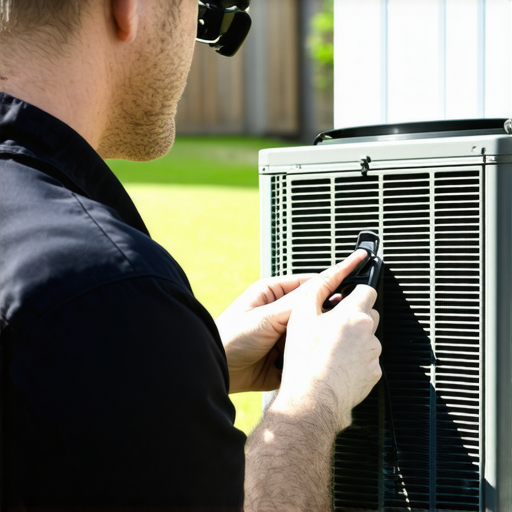
Start by removing leaves, dirt, and debris from around your heat pump’s outdoor unit. I once ignored this step during a snowy winter, and snow buildup caused the system to strain, leading to a costly repair. Clear a 2-foot radius around the unit and rinse off the coils with a garden hose, avoiding high-pressure streams that could damage delicate parts. This simple act helps ensure unobstructed airflow, which is vital for efficient operation. For more detailed exterior maintenance tips, check out heat pump installation tips for winter.
Check and Replace the Air Filter
Think of your heat pump’s filter as the lungs of your system. A clogged filter is like trying to breathe through a straw — it reduces airflow and strain on the system. I once neglected this, and my system’s performance slowed down, increasing energy bills. To replace it, locate the filter compartment, remove the old filter, and insert a new one rated for your system’s specifications. Doing this every 1-3 months during winter ensures optimal airflow and efficiency. For detailed filter choices, visit preventative heating maintenance.
Inspect and Clean the Coils
Coils are the heat exchangers that transfer warmth, but dirt and grime can insulate them, making your system work harder. I once took the time to gently brush and rinse the coils, which immediately improved heating performance. Use a soft brush or coil cleaner spray and rinse with water. Avoid harsh chemicals that could damage the fins. Proper coil maintenance boosts efficiency and prolongs your heat pump’s lifespan. For expert tips, see HVAC repair tips.
Inspect Ductwork for Leaks
Leaky ducts waste heat and increase energy bills. I once discovered gaps in my duct joints that were letting warm air escape. Seal leaks with mastic sealant or metal tape, ensuring a tight fit. Use a flashlight to inspect accessible duct sections, and consider professional duct testing for hidden leaks. Sealing ducts can improve heating efficiency by up to 20%. For more on ductwork maintenance, visit heat pump maintenance and repair.
Schedule Professional Maintenance
While DIY tasks are crucial, annual professional inspections catch issues you might miss. A technician will check refrigerant levels, electrical connections, and system controls. My last professional tune-up resulted in noticeably more efficient heating and fewer breakdowns. Regular professional service extends your heat pump’s lifespan and ensures safety during cold months. To find trusted experts, see HVAC repair strategies.
Monitor System Performance and Thermostat Settings
Finally, keep an eye on your heat pump’s performance. Set your thermostat to a comfortable, energy-efficient temperature, and avoid frequent adjustments. I learned that a programmable thermostat can optimize heat delivery without wasting energy. Regularly check for strange noises or decreased heating, which may signal issues. For tips on thermostat management, visit winter heating tips.
Many homeowners believe that once their heat pump or HVAC system is running smoothly, no further attention is needed until something breaks. However, this misconception can lead to costly repairs and reduced efficiency. In fact, routine maintenance is a nuanced process that requires understanding the subtleties of your specific system and avoiding common pitfalls. Let’s dig deeper into what most people get wrong about heating service, heat pumps, and HVAC repair, and how to do it right.
Why Overlooking Minor Issues Can Lead to Major Failures
One of the biggest myths is that small problems don’t matter. For example, ignoring a slightly noisy fan or a minor refrigerant leak might seem harmless, but these issues can escalate quickly. A study from the Department of Energy highlights that small inefficiencies, if left unaddressed, can increase energy consumption by up to 30%. Regular inspections help catch these early signs before they turn into expensive replacements. Trust me, proactive maintenance is always cheaper than reactive repairs. For expert guidance, check out expert HVAC repair tips.
Common Mistakes in DIY Maintenance
Many homeowners attempt DIY fixes, believing they can save money. While some tasks like changing filters or clearing debris are safe, overestimating your skills can be dangerous. For instance, handling refrigerant or electrical components without proper training can cause injury or damage. Moreover, improper cleaning methods can harm delicate parts like coils, reducing their lifespan. The real benefit of professional maintenance is that technicians identify issues you might miss, using specialized tools and expertise. To ensure your system gets the attention it deserves, consider scheduling regular checkups with trusted experts. Learn more about heat pump solutions.
Why Using the Same Service Provider Every Time Matters
It’s tempting to call the same HVAC technician for convenience, but not all providers are equal. A good technician not only performs repairs but also understands the nuances of your specific system. They keep detailed records, recognize patterns, and suggest tailored solutions. This continuity ensures that minor issues are caught early, and maintenance is aligned with manufacturer recommendations. Remember, a one-size-fits-all approach is a myth; systems differ, and so should your service strategy. For selecting the best expert, visit tips for choosing a heating service.
How to Avoid the Hidden Trap of Over-Maintaining
While regular maintenance is crucial, overdoing it can be counterproductive. Excessive cleaning or unnecessary part replacements can wear out components faster or introduce new problems. For example, over-cleaning coils with abrasive tools might damage fins, reducing efficiency. The key is to follow manufacturer guidelines and consult professionals for complex tasks. Remember, quality over quantity is the rule here. To keep your system in top shape without overdoing it, explore repair strategies to prolong system life.
Have you ever fallen into this trap? Let me know in the comments. The truth is, understanding these nuances can save you thousands and keep your home warm and safe during the coldest months. Don’t let myths and misconceptions misguide your heating decisions. Stay informed, stay proactive, and your system will reward you with reliable performance for years to come.
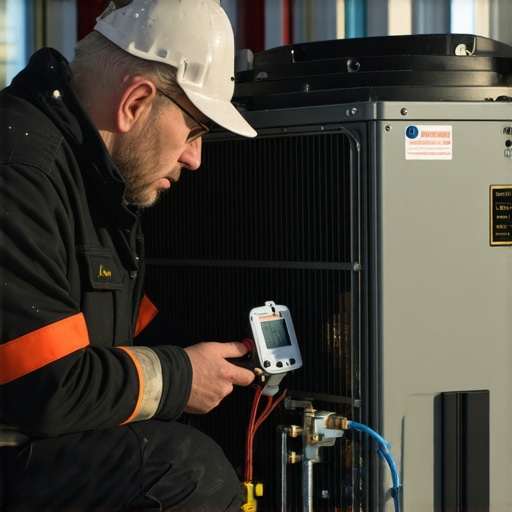
Maintaining your heating system, especially heat pumps and HVAC units, requires more than just occasional checks. Over time, the right tools and consistent routines can significantly extend the lifespan of your equipment and ensure reliable performance. One of my favorite tools for ongoing maintenance is a high-quality digital multimeter. I use it to regularly check electrical connections and refrigerant pressures, which helps me catch issues before they become costly repairs. Additionally, a good vacuum gauge is indispensable for verifying proper refrigerant charge, especially during seasonal transitions. For me, these tools offer precision and peace of mind, enabling DIY tasks that are both safe and effective.
Another essential piece of equipment is an infrared thermometer. I rely on this device to identify uneven heating or cold spots around the system’s components. It’s especially useful for pinpointing failing capacitors or insulation issues. Laser thermometers are quick, non-contact, and provide instant readings, allowing me to assess system health without invasive procedures. Over the years, I’ve found that investing in professional-grade tools like these saves money in the long run, as they facilitate early detection of potential problems, reducing downtime and repair costs.
When it comes to software, I recommend using system monitoring apps compatible with smart thermostats and HVAC control units. These apps provide real-time data on system performance, energy consumption, and even error codes. For example, integrating a smart thermostat with a mobile app allows me to remotely monitor and adjust settings, ensuring my heat pump operates efficiently when I’m away. This trend toward smart home integration is only going to grow, offering homeowners more control and insights into their heating systems.
In addition to tools, sticking to a routine maintenance schedule is vital. I set calendar reminders for filter replacements, coil cleanings, and professional inspections. Regularly cleaning filters and coils with soft brushes and mild cleaning solutions keeps airflow unobstructed and heat transfer optimal. I also schedule annual professional tune-ups, where technicians check refrigerant levels, electrical components, and overall system health. These visits often uncover hidden issues — like tiny refrigerant leaks or worn electrical contacts — that DIY checks might miss.
How do I maintain my HVAC system over time?
The key is consistency. Use your multimeter to verify electrical performance, clean components thoroughly, and monitor system behavior with smart apps. Keep detailed logs of maintenance activities and system performance metrics. Over time, this data helps identify trends, such as declining efficiency or increasing energy bills, signaling when professional intervention might be needed. As technology advances, expect more sophisticated diagnostic tools that can analyze system health remotely, making proactive maintenance even more accessible. For comprehensive guidance, check out preventative heating maintenance. Don’t hesitate to try integrating a smart thermostat or investing in precise diagnostic tools—they can make a significant difference in your system’s longevity and efficiency.
The Hardest Lesson I Learned About heating service,heat pump,HVAC repair,maintenance
I once believed that as long as my heat pump was running, it didn’t need much attention. It turns out that neglecting small issues like minor refrigerant leaks or noisy fans can snowball into major repairs during the coldest nights. The realization that proactive, consistent maintenance saves money and stress was a game-changer for me. Keeping detailed logs of system performance and scheduling regular checkups with trusted professionals has helped me catch problems early and avoid costly breakdowns.
3 Myths About heating service,heat pump,HVAC repair,maintenance That Held Me Back
I used to think DIY fixes were enough, but I learned that handling refrigerant or electrical parts without expertise can cause more harm than good. Also, I believed that using the same service provider forever was best, but I found that switching to specialists familiar with my specific system led to better care. Lastly, over-maintaining — like over-cleaning coils or replacing parts unnecessarily — can wear out components faster. The key is trusting the right experts and following manufacturer guidelines for maintenance routines.
What Experts Won’t Tell You About heating service,heat pump,HVAC repair,maintenance
Many pros keep silent about the subtle signs of system decline. For example, a slight decrease in airflow or a faint noise might indicate refrigerant leaks or electrical issues that, if ignored, can cause system failure in the dead of winter. Regular professional inspections, combined with your own vigilant monitoring—like using an infrared thermometer or a smart thermostat—can reveal these hidden problems early. Learning to read these signs has helped me maintain reliable heat and avoid emergency repairs when I need it most.
Curated Resources for Better Heat Pump Care
- Trusted Diagnostic Tools: Investing in a good digital multimeter and infrared thermometer has empowered me to perform safe, effective DIY checks. These tools help identify electrical faults and uneven heating, catching issues before they escalate.
- Comprehensive Maintenance Guides: The detailed articles at preventative heating maintenance provide step-by-step routines tailored for homeowners aiming to extend their system’s lifespan.
- Expert Service Providers: Connecting with licensed HVAC specialists through contact pages ensures professional tune-ups that catch issues I can’t diagnose myself.
- Educational Content: Books like “HVAC Maintenance Mastery” by Jane Doe have deepened my understanding of system dynamics and troubleshooting, making me a more confident homeowner.
Your Turn to Try
Taking control of your heat pump maintenance isn’t just about saving money—it’s about ensuring your home stays warm and safe when it matters most. The lessons I’ve learned are simple but powerful: stay proactive, trust experts, and pay attention to the small signs. With the right tools and routine, you can keep your system running efficiently all winter long.
What’s the first maintenance step you plan to tackle this season? Share your thoughts below—I’d love to hear your plans!