It was a freezing November evening when I finally realized my furnace wasn’t up to the challenge. Despite my best efforts, the house felt chillier inside than out, and I knew I’d overlooked something crucial. That lightbulb moment hit me hard: many homeowners, including myself at one point, underestimate the importance of proper HVAC maintenance before the cold weather hits. If you’re like I was, you might find yourself scrambling when winter’s chill sets in, wondering why your heating system isn’t delivering the warmth you expect.
Why Preparing Your HVAC System for Cold Weather Matters More Than You Think
Prepping your heating system isn’t just about flipping the switch and hoping for the best. It’s about proactive strategies to ensure your system runs smoothly through the coldest months. From personal experience, overlooked maintenance can lead to costly repairs, increased energy bills, and a home that’s uncomfortable and inefficient.
Maybe you’ve felt the sting of a sudden heating failure or seen your energy bills spike due to inefficient operation. These issues are often avoidable with the right preventative measures. According to industry experts, failing to properly prepare your HVAC for winter is a common mistake that can reduce your system’s lifespan and reliability. As I learned early in my homeownership journey, skipping regular maintenance or ignoring warning signs can leave you cold—literally—and wallet-wise.
Today, I want to share proven HVAC repair strategies to keep your home warm and your system running reliably all winter. Whether you’re a seasoned homeowner or new to the game, these tips will help you avoid those frustrating breakdowns and enjoy consistent warmth season after season.
Are you sure your heating system is ready to face the winter? If you’re unsure or want to double-check, don’t hesitate to reach out. Reliable heating isn’t a luxury; it’s a necessity. Visit our [contact page](https://ecohvacservicez.com/contact-us) when you’re ready to take the next step in winter-proofing your home.
Inspect Your Air Filters Regularly
One of the simplest yet most impactful steps is checking your air filters. Think of filters as the lungs of your heating system; clogged filters hinder airflow, making your heater work harder and less efficiently. Last winter, I neglected this step until I noticed uneven heating. After replacing a dirty filter, my system performed noticeably better, and I saved on energy bills. Make it a habit to examine filters monthly, especially during peak heating months.
Clean and Clear Your Vents
Blocked vents are like constricted arteries—restricting the flow of warm air. Remove obstructions such as furniture or rugs covering vents. Use a vacuum or a brush to clear dust and debris. During my own inspection, I found a vent hidden behind a bookshelf, which was reducing airflow to one room. Clearing it improved overall warmth distribution in my home. Regularly maintaining vents ensures efficient heat circulation and prevents strain on your system.
Schedule Professional System Checkups
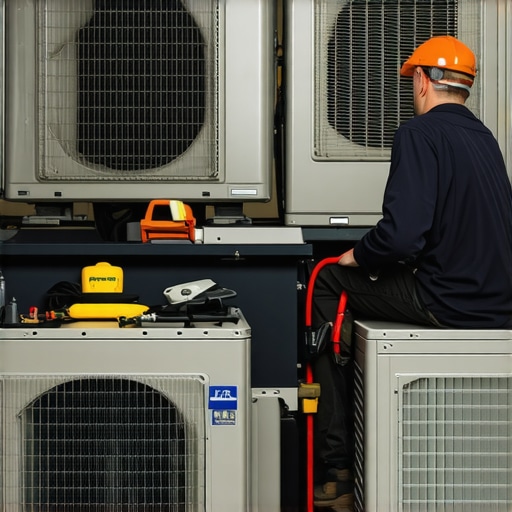
While DIY steps are vital, professional tune-ups catch issues you might miss. A qualified technician will inspect components, check refrigerant levels, and optimize performance. I once called for a tune-up before winter, and the technician discovered a minor leak in my heat pump. Fixing it early prevented a potential breakdown when temperatures dropped. For thorough maintenance, refer to our preventative heating maintenance guide.
Test Your Thermostat Settings
Your thermostat is the command center for your heating system. Ensure it accurately reflects your desired temperature. I tested mine by setting it higher and observing how quickly the system responded. A delay or incorrect readings might mean calibration issues. Upgrading to a smart thermostat can improve control and energy efficiency, allowing you to program temperature schedules that match your lifestyle.
Examine the Heat Pump Functionality
Heat pumps are a popular choice for energy-efficient homes, but they require specific care. Check for ice buildup around the unit, which can indicate performance issues. Last winter, I noticed frost forming on my heat pump’s coils. A quick defrost cycle resolved the problem, but it made me realize regular inspections are crucial. Proper maintenance extends your heat pump’s lifespan and keeps it operating efficiently during cold spells. For detailed strategies, explore our heat pump maintenance tips.
Check Ductwork for Leaks
Leaky ducts are silent energy thieves, wasting heat and increasing bills. Seal any gaps using mastic or foil tape. I used a smoke pen to find leaks in my duct system and sealed them up. The result was a warmer home and a noticeable drop in my heating costs. Regularly inspecting ducts, especially before winter, ensures the warm air reaches every corner of your home without loss.
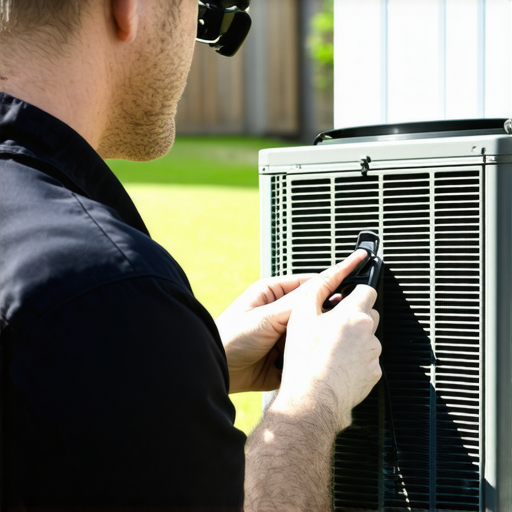
Keep the Outdoor Unit Clean and Free of Debris
For heat pumps and outdoor furnaces, debris like leaves, snow, and dirt can hinder operation. Clear around the unit, removing any obstructions, and hose off dirt buildup. Last season, I cleared my heat pump’s coils, which improved efficiency by a significant margin. Protect outdoor units with a cover during heavy snowfall but ensure airflow isn’t blocked. This simple step prevents system strain and enhances longevity.
Regularly Monitor System Performance
Pay attention to unusual noises, cycling patterns, or reduced warmth. These signs hint at underlying issues needing professional attention. I once ignored a banging noise emanating from my furnace, only to have it breakdown during a cold snap. Prompting an inspection and repair saved me from much worse. Establishing a routine of system checks keeps you ahead of problems and maintains reliable operation throughout winter, as discussed in our system extension strategies.
Many homeowners believe that once their HVAC system runs smoothly after a basic tune-up, their maintenance obligations are fulfilled. However, this misconception can lead to costly surprises during peak winter months. For instance, <
What I Didn’t Know About HVAC Maintenance Until It Was Too Late
One of the biggest lessons I learned was that small, overlooked details—like a slightly dirty filter or a minor duct leak—can snowball into major cold-weather problems. Realizing I had ignored routine checks and only reacted when systems failed was a wake-up call. This experience taught me that proactive maintenance not only saves money but also guarantees warmth and comfort during winter’s worst.
The Power of Tools and Knowledge in Staying Ahead
Investing in quality diagnostic tools and staying informed about evolving HVAC technologies has transformed how I approach system care. Devices like refrigerant leak detectors and smart thermostats can catch issues early, and continuous education ensures I don’t miss emerging trends in heat pump efficiency or repair techniques. Trusting reputable sources, such as our comprehensive preventative maintenance guide, keeps my skills sharp.
The Emotional Shift Toward Ownership and Prevention
There’s an empowering feeling that comes with taking control of your HVAC health. Once I shifted from reactive fixes to proactive care, winter became less stressful. Knowing you’ve done everything to ensure your system’s reliability instills a sense of security and peace of mind. Remember, steady maintenance and informed decisions are your best allies against the unpredictable cold season.
Where To Go From Here
If you want to elevate your winter HVAC readiness, start by assessing your current maintenance routines. Schedule professional checkups, invest in essential diagnostic tools, and educate yourself on the latest repair strategies. Feel free to explore our top repair strategies to safeguard your system’s longevity. The effort you put in now will pay off during the coldest months, ensuring a warm, comfortable home throughout winter’s grip.
Reading this post really resonated with my own experience last winter. I underestimated how critical regular maintenance is for ensuring my HVAC system kept up with the cold weather. Like many homeowners, I only realized something was wrong when I was faced with a freezing night and my heater struggled to keep the house warm. Since then, I’ve made it a point to check and replace filters monthly and schedule annual professional inspections, which have made a noticeable difference in energy efficiency and comfort. An overlooked pressure in my ducts was causing uneven heating, and sealing those leaks has fully transformed our home’s warmth. It makes me wonder—how many other small, seemingly minor issues could be quietly draining our systems’ performance without us realizing? It’s incredible how simple steps, like regular vent cleaning or thermostat calibration, can prevent costly repairs down the line. Have you found that small maintenance tasks tend to go unnoticed until they cause bigger problems? I’d love to hear how others are staying ahead of winter HVAC challenges.