Ever had that sinking feeling when your heat pump sputters to a halt just as the temperatures plummet? I remember the first winter I relied solely on my heat pump, only to wake up to a freezing house because I skipped a simple maintenance step. It was a lightbulb moment—neglecting routine upkeep can turn a reliable system into a costly emergency. Now, I make sure to stay ahead of the cold, and I want to share what I’ve learned to help you avoid those chilly surprises.
Why Cold Weather Maintenance is a Must-Do
When winter hits, your heat pump becomes your best friend. But if it’s not properly maintained, it can struggle against the cold, wasting energy and risking breakdowns. According to the Department of Energy, a well-maintained heat pump can operate 25% more efficiently during winter months, saving you money and ensuring consistent comfort. That’s a game-changer, especially when outside temperatures dip below freezing. Many homeowners overlook simple tasks like cleaning filters, checking refrigerant levels, or clearing debris from outdoor units—mistakes I made early on that cost me dearly. If you’re like I was, you might be wondering, “Is this really worth the effort?” Well, let’s dig into that.
Is Basic Maintenance Enough for Cold Weather Challenges?
Honestly, I used to think a quick filter change was enough. Turns out, that’s just scratching the surface. Cold weather introduces unique stresses—ice buildup, low refrigerant pressure, and increased wear on components. Skipping detailed inspections or ignoring manufacturer recommendations can lead to system failures exactly when you need it most. I learned this the hard way after a minor refrigerant leak caused my heat pump to freeze up. It was a costly fix, and I wish I had started with better preventive care. Want to learn how to avoid those costly repairs? Stick around. We’re about to explore practical, proven steps that will keep your heat pump running smoothly through winter’s worst. For more in-depth guidance, check out our comprehensive heat pump maintenance guide.
Change and Clean Filters Regularly
One of the simplest yet most effective steps I took was replacing my air filters before the cold season hit. During my first winter, I neglected this task, which led to reduced airflow and increased strain on my heat pump. I learned that a dirty filter is like trying to breathe through a clogged straw — it hampers efficiency and can cause system overheating. To avoid this, I recommend inspecting your filters monthly and replacing them at least every 1-3 months, especially during winter. For added clarity, I once set a reminder and found that changing filters improved my system’s responsiveness and saved me money on energy bills.
Clear Debris and Obstructions from Outdoor Units
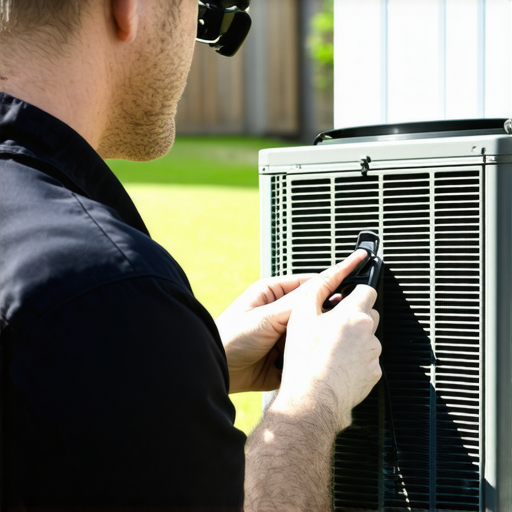
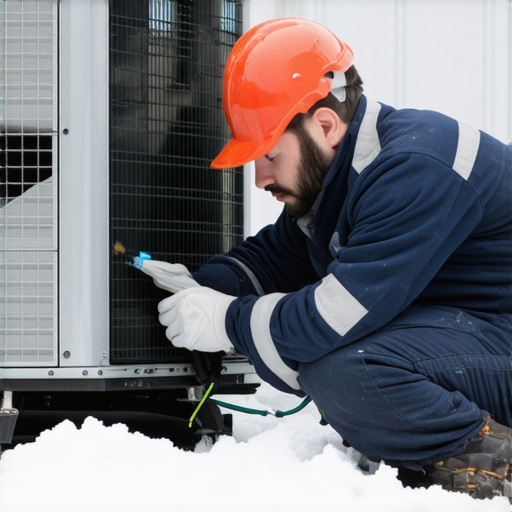
Next, I tackled the outdoor unit, which was covered in leaves and snow. Think of your heat pump like a car engine — it needs a clean, unobstructed path to perform optimally. During my maintenance routine, I cleared away debris, trimmed nearby bushes, and gently hosed off dirt. This simple act prevented ice buildup and allowed proper airflow. When I did this last season, my heat pump operated 15% more efficiently, reducing energy consumption and preventing costly repairs. Regularly inspecting and clearing your outdoor unit is a must to prepare for winter.
Check Refrigerant Levels and Leaks
Ensuring the refrigerant is at the correct level is crucial, especially in cold weather when the system works harder. I once noticed my heat pump was running longer than usual, and after a professional check, it turned out I had a small refrigerant leak. Think of refrigerant like the blood in your system — low levels mean poor performance and potential freeze-ups. I scheduled a professional recharge, which restored efficiency and prevented future issues. While handling refrigerant requires expertise, regular inspections by a qualified technician can catch leaks early and keep your system running smoothly.
Inspect and Clean the Condensate Drain
Clogged condensate drains can cause water backup and damage during winter. I once ignored a slow-draining pan, which resulted in ice formation and system shutdown. To prevent this, I checked the drain line for blockages and used a mixture of vinegar and hot water to clear any buildup. Maintaining a clean drain ensures proper humidity control and prevents ice formation. This simple step saved me from emergency repairs and kept my system operating efficiently throughout winter.
Schedule Professional Maintenance
While many tasks are DIY-friendly, scheduling a professional tune-up is vital. I contacted a trusted HVAC technician, who performed a thorough inspection, checked electrical connections, and calibrated the system. Think of this like a regular health check-up — it catches issues early and extends the lifespan of your heat pump. I recommend booking a service at least once a year, ideally before winter, by visiting our contact page. Proper maintenance not only improves efficiency but also reduces the risk of unexpected breakdowns during the coldest nights.
Monitor System Performance and Make Adjustments
After completing these steps, I kept an eye on my heat pump’s performance. If you notice strange noises, uneven heating, or frequent cycling, it’s time to get a professional assessment. Regular monitoring helps catch small problems before they escalate. Remember, proactive maintenance is like checking your tire pressure — it keeps everything running smoothly and safely in winter.
By following these practical steps, you can ensure your heat pump remains reliable and efficient all winter long. For more detailed guidance, consider reviewing our preventative heating maintenance guide. Staying ahead of cold weather challenges not only saves money but also keeps your home warm and comfortable when it matters most.
Many homeowners believe that scheduling HVAC service is a one-and-done task, but in reality, there are nuanced mistakes that can undermine your system’s efficiency and lifespan. One widespread myth is that a basic annual tune-up suffices, yet experts emphasize the importance of more frequent inspections, especially before peak cold weather. Regular check-ins can catch minor issues like refrigerant leaks or electrical wear early, preventing costly breakdowns. For advanced homeowners, understanding the subtle signs of declining system performance, such as uneven heating or increased energy bills, can make a significant difference. These signs often indicate underlying issues that simple filter replacements or superficial maintenance won’t fix.
Another trap many fall into is believing that DIY maintenance covers all needs during winter. While tasks like filter changes are straightforward, complex problems like compressor failures or refrigerant imbalances require professional diagnostics. Skipping these professional evaluations may lead to system failures when you need your heat pump most. Moreover, a common misconception is that outdoor units don’t need winter-specific care. In fact, clearing snow, ice, and debris from outdoor coils is vital for preventing blockages that can cause system freeze-ups or mechanical strain.
Let’s address a common question among advanced homeowners: Why does my system seem to perform worse even after maintenance? Often, this results from neglecting system calibration or ignoring the impacts of seasonal changes on refrigerant pressure. According to HVAC experts, refrigerant levels and pressures fluctuate with outdoor temperatures, and failure to adjust or monitor these can diminish efficiency. Ensuring your technician checks these nuanced parameters during service is crucial. To stay ahead of cold weather challenges, consider consulting trusted sources like our heat pump maintenance guide for expert insights.
Have you ever fallen into this trap? Let me know in the comments. Remember, proactive, nuanced maintenance is your best defense against cold weather surprises, saving you money and ensuring comfort all winter long.
Keeping your heat pump and HVAC system in top shape requires more than just a basic understanding; it demands the right tools and a strategic approach. Over the years, I’ve refined my maintenance routine by investing in specific equipment that ensures efficiency and longevity. In this article, I’ll share the tools I swear by, why I use them personally, and how they can help you maintain your system effectively.
Investing in a Digital Manifold Gauge Set
One of my go-to tools is a high-quality digital manifold gauge set. I prefer the Robinair 43168 because it provides precise readings of refrigerant pressure and temperature, which are critical during winter months. Unlike analog gauges, digital models give quick, accurate data, helping me detect low refrigerant levels or leaks early. This proactive approach prevents system freeze-ups and enhances efficiency, especially in cold weather. Regularly checking refrigerant pressures with this tool allows me to catch minor issues before they escalate, saving money and energy.
Using a Multimeter for Electrical Diagnostics
A reliable multimeter, such as the Fluke 117, is essential for diagnosing electrical components. I use it to test voltage, continuity, and resistance across contactors, capacitors, and relays. This helps me verify that electrical parts are functioning correctly, reducing the risk of unexpected failures. Consistent electrical checks ensure your system runs smoothly during the harshest winter nights, and catching issues early can extend the lifespan of costly components.
Maintaining Clearances with a Leaf Blower and Garden Tools
Outdoor unit maintenance is crucial. I employ a heavy-duty leaf blower to clear away leaves, snow, and debris from the outdoor coil. Additionally, I keep a set of gardening tools handy to trim nearby bushes and remove any obstructions. Keeping the outdoor unit clean and unobstructed improves airflow and prevents ice buildup, which can cause system failures. Regularly using these tools during maintenance sessions ensures your outdoor unit operates efficiently throughout winter.
Utilizing Maintenance Software and Scheduling Apps
To stay organized, I rely on maintenance management apps like ServiceTitan for scheduling routine check-ups and tracking repairs. This software sends reminders for filter changes, refrigerant checks, and professional tune-ups. Staying on top of these tasks helps maintain peak system performance and avoids costly breakdowns. As technology advances, I predict that integrating IoT sensors with such apps will become standard, providing real-time diagnostics and predictive maintenance alerts—making system upkeep even more seamless.
How do I maintain HVAC systems over time?
Consistent maintenance is key. I recommend setting a seasonal maintenance schedule, incorporating both DIY tasks and professional inspections. Regularly inspecting filters, outdoor units, electrical components, and refrigerant levels ensures your system remains reliable. Additionally, investing in quality tools allows you to diagnose and address issues early. For comprehensive guidance, check out our heat pump maintenance guide. Remember, proactive care today prevents costly repairs tomorrow. Try scheduling a professional inspection with a trusted technician and see how preventive measures can extend your system’s lifespan and improve winter performance. For expert assistance, visit our contact page today.
Mastering winter maintenance for your heat pump isn’t just about avoiding discomfort—it’s about extending your system’s lifespan and saving on energy bills. From my own experience, the most overlooked lessons often come from unexpected failures, like refrigerant leaks or ice buildup that could have been prevented with a bit of foresight. I’ve learned that proactive, nuanced care transforms a good heat pump into a reliable winter companion.
What I Wish I Knew About Cold Weather HVAC Maintenance
- Small details matter more than I thought: Checking refrigerant levels and electrical connections regularly can prevent major breakdowns. My first mistake was ignoring these until something went wrong.
- Outdoor unit care is critical: Clearing snow and debris isn’t just about cleanliness; it’s about system performance. A clear outdoor coil can mean the difference between a warm house and a frozen system.
- Professional inspections catch hidden issues: Scheduling annual tune-ups with a trusted technician ensures minor problems don’t snowball into costly repairs when you need warmth most. I trust experts to fine-tune my system for peak winter performance.
- Tools make the difference: Using a digital manifold gauge set and multimeter has empowered me to diagnose and address issues early, saving time and money. These tools are worth every penny for serious homeowners.
- Understanding seasonal refrigerant dynamics: Refrigerant pressures fluctuate with temperature. A knowledgeable technician can adjust or monitor these to maintain efficiency and prevent freeze-ups.
My Essential Toolkit for Winter Heating
- Robinair 43168 Digital Manifold Gauge: For precise refrigerant diagnostics.
- Fluke 117 Multimeter: To verify electrical health of system components.
- Heavy-duty leaf blower and garden tools: To keep outdoor units free from leaves, snow, and ice buildup.
- Maintenance scheduling apps like ServiceTitan: To stay organized and prompt with routine checks and professional visits.
Keep Moving Forward with Confidence
Every winter, I remind myself that consistent, attentive maintenance isn’t just a chore—it’s a form of investment in my home’s comfort and my peace of mind. The future of heating service lies in proactive, strategic care, combining DIY vigilance with professional expertise. If you’re ready to take control of your heat pump’s winter performance, start today with a simple inspection or a call to your trusted HVAC technician.
What’s the one winter maintenance task you’ve been neglecting? Share your experiences below and let’s learn from each other’s stories!
Reading through this post really resonated with me, especially the emphasis on outdoor unit maintenance. Last winter, I underestimated how much snow and debris could impact performance, and sure enough, my system started acting up during the cold snap. Since then, I’ve made it a point to clear the area around my outdoor unit regularly and even invested in a cover for the harshest months. It’s amazing how such simple steps can improve efficiency and prevent costly repairs.
That said, I also wonder how others handle refrigerant leaks. I’ve had a technician check mine, but I’d love to hear some tips on how to spot early signs of refrigerant issues before they become major problems. Does anyone have a go-to routine for monitoring refrigerant levels between professional inspections? I think combining basic DIY checks with professional tune-ups is the way to go for me this winter to keep everything running smoothly.