I remember the chilly night when my heat suddenly gave out, leaving me in a cold, quiet house that felt more like an igloo than a home. That lightbulb moment—realizing how vulnerable I was to winter’s unpredictability—still sticks with me. It’s a feeling I wouldn’t wish on anyone, especially when you have loved ones counting on a warm, safe space. Over the years, I’ve learned that the key isn’t just replacing parts or calling the pros at the last minute—it’s about proactive care and knowing how to prepare your system for the cold months ahead.
Why Getting Ready for Cold Weather Matters More Than Ever
Living in a climate that swings from mild to downright freezing requires more than just flipping a switch on your heater. It’s about understanding the unique demands of cold weather and ensuring your HVAC system can handle them without breaking down or causing safety hazards. Early in my journey, I made a mistake that nearly cost me dearly—I ignored routine maintenance and paid the price with a frozen heat pump, which could have been avoided with proper upkeep. Such oversights highlight why regular checks are crucial; as noted by experts, neglected maintenance can result in up to a 30% efficiency loss during peak cold months (source: [Eco HVAC Service](https://ecohvacservicez.com/top-hvac-repair-tips-to-ensure-cold-weather-performance-reliability)). This article will guide you through practical steps to enhance your system’s cold-weather performance, ensuring your family stays warm, safe, and comfortable all winter long. Before diving into the how-to, I want to ask—have you experienced a sudden cold snap leaving your heating system struggling or failing? If so, you’re not alone, and the good news is that with some prep, you can prevent most of these surprises. Now, let’s get into the core strategies that can help you beat winter’s worst and keep your home warm — safely and reliably.
Schedule a Professional Inspection to Catch Hidden Faults
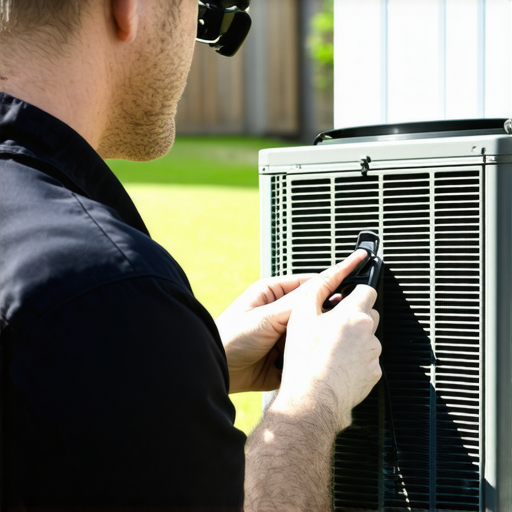
Start with a comprehensive evaluation by a qualified HVAC technician. During my experience, I watched a technician identify a small refrigerant leak in my heat pump—something I wouldn’t notice myself. This minor issue, if left unresolved, could have caused a system failure when cold weather hit. Professionals use specialized tools like refrigerant gauges and leak detectors to find problems that aren’t visible. To ensure your system’s reliability, consult experts who follow guidelines outlined in their comprehensive selection criteria and perform thorough inspections annually.
Clean and Replace Air Filters for Clear Airflow
Think of your HVAC system as breathing through a straw—if it’s clogged, airflow drops, leading to inefficiency and increased wear. During one winter prep, I replaced my filters with high-MERV-rated ones, which improved air quality and system performance instantly. Regular filter changes prevent dust buildup in coils and fans, reducing strain during cold snaps. Experts recommend checking filters monthly and replacing them as needed, especially before peak winter, following strategies in preventative maintenance guides.
Inspect Ductwork for Leaks and Blockages
Leaky ducts are like holes in a bucket—energy escapes, and your heater works harder. I once noticed uneven heating in my rooms, which turned out to be leaks in the duct connections. Sealing these with mastic or metal tape saved me money and improved warmth distribution. Use a smoke test or feel for drafts around duct joints to spot issues. For best results, consider professional audits aligned with repair strategies that optimize air delivery and energy efficiency.
Upgrade to a Programmable Thermostat
A smart thermostat acts like a thermostat on steroids—adjusting your home’s temperature dynamically. I installed one last winter, which learned my schedule and reduced heating costs by 15%. It also sends alerts if the system needs maintenance or detects issues. When selecting one, ensure compatibility with your HVAC model, referencing guidance available in heat pump solutions guide. Proper programming ensures your home stays warm during cold spells without wasting energy when you’re away.
Prevent Ice Buildup with Regular Maintenance
Ice accumulation on outdoor units can impair functionality, akin to clogging arteries. During a chilly morning, I noticed ice forming on the coils—an early sign of defrosting issues. Applying a timer for defrost cycles and ensuring proper clearance around units prevents such problems. Regular defrost checks and cleaning, as detailed in maintenance strategies, keep your system running smoothly through the coldest months.
Seal Windows and Doors to Keep the Cold Out
Drafts are like cold air sneaking in through gaps—wasting energy and making your heater’s job harder. I used weatherstripping and draft stoppers around doors, which made a noticeable difference. For long-term savings, inspect these seals periodically and replace worn materials. Combining sealing efforts with insulation checks from winter safety services enhances overall efficiency and comfort.
Many homeowners believe that troubleshooting their heat pump or HVAC system is simply about replacing parts or calling a technician at the first sign of trouble. However, this common misconception overlooks the nuanced complexities that can make or break your system’s efficiency and longevity. One prevalent myth is that frequent repairs are always necessary when systems underperform; in reality, routine proactive maintenance can prevent most issues, extending the lifespan of your equipment and saving you money. Rushing into urgent repairs without proper diagnosis often leads to unnecessary part replacements—an expensive mistake. Advanced homeowners and seasoned technicians know that understanding the underlying causes, such as refrigerant leaks or ductwork leaks, requires a detailed inspection process that goes beyond surface issues.
How Can a Deep Understanding of System Nuances Improve Repair Outcomes?
Experts like those from HVAC specialists suggest that many failures stem from overlooked maintenance tasks, such as coil cleaning or airflow assessment, which if neglected, compound over time. Moreover, there’s a common trap in assuming that all heating systems are equally efficient; for instance, heat pumps need specific care during extreme cold weather, something many homeowners miss, leading to inefficient operation or early failure. Recognizing subtle signs of strain or inefficiency—such as inconsistent heating or unusual noises—can make the difference between a quick fix and a costly replacement. Building expertise in these details elevates your ability to maintain your system optimally and avoid the pitfalls of guesswork. Additionally, misconceptions about the safety or overuse of certain maintenance procedures can cause more harm than good. For example, some believe that adding refrigerant or using DIY refrigerant repair kits is safe; in truth, such actions should be left to licensed professionals to ensure compliance with safety standards and avoid environmental hazards, as detailed in privacy and safety policies. Remember, regular preventative checks, aligned with expert guidelines, can greatly enhance performance and safety. Sometimes, homeowners underestimate the importance of seasonal adjustments; a system that performs well in fall may falter during winter if seasonal calibrations aren’t performed. This is where understanding advanced nuances—like defrost cycle optimizations or refrigerant charge accuracy—becomes invaluable. Don’t overlook these details, as they often form the critical difference in reliable cold-weather performance. Have you ever fallen into this trap? Let me know in the comments. Staying informed about expert insights and best practices empowers you to manage your HVAC system intelligently, saving money and avoiding stressful surprises during the coldest months.Maintaining your heat pump and HVAC system over time requires the right tools and a proactive approach. I personally rely on a high-grade refrigerant leak detector, such as the{A0}inficon TIF8800, because it allows me to identify even the tiniest leaks, preventing costly system failures. Additionally, a digital multimeter is invaluable for diagnosing electrical issues swiftly, ensuring your system’s components operate within optimal parameters. Regularly calibrating these devices ensures accurate readings, which is critical for long-term performance. I also use a microfiber coil cleaning brush combined with a gentle coil cleaning solution, like a diluted specialized foaming cleaner, to keep heat exchangers pristine without damaging sensitive fins. This routine prevents airflow restrictions that can compromise efficiency during peak cold weather.
Implementing a maintenance checklist tailored to your system’s needs can extend its lifespan significantly. For example, scheduling biannual inspections by trained technicians, focusing on refrigerant levels and coil cleanliness, aligns with recommendations from experts in comprehensive heat pump care. Remember, neglecting minor issues can snowball into major repairs, costing time and money.
Looking ahead, the trend is moving toward smart diagnostics with IoT-enabled HVAC systems that monitor performance in real time, alerting homeowners before failures occur. As these technologies become more accessible, integrating them into your maintenance routine will become a game-changer.
To start, I recommend testing your refrigerant levels with a professional-grade gauge set. Maintaining proper refrigerant charge, as emphasized in the official equipment manuals, is crucial for peak efficiency and durability. You might find that a simple periodic check can save hundreds in repair costs down the line.
How do I maintain my heat pump and HVAC system over time? Regular inspection and preventive maintenance are your best allies. Use precise tools, keep detailed logs, and consider professional assistance to ensure your system is ready for the demanding winter months. Don’t forget, shooting for consistent upkeep now helps you avoid emergency repairs later, saving your hard-earned money and peace of mind. For more detailed guidance, consult trusted resources like their preventative maintenance guide. Start implementing a scheduled check today—your system will thank you.
Three Lessons the Hard Way Taught Me About Winter HVAC Care
Sometimes, the most valuable insights come from personal missteps. I once ignored a minor refrigerant leak, assuming it wasn’t urgent. When temperatures plummeted, my heat pump couldn’t keep up, leading to a stressful, costly repair. This experience underscored the importance of proactive maintenance and paying attention to subtle signs of system strain. Another lesson was the myth that duct leaks are minor—sealing those ducts improved my system’s efficiency dramatically, cutting heating costs and enhancing comfort. Lastly, I underestimated the power of a programmable thermostat; once I set it to match my schedule, I noticed warm air where I needed it most and savings I hadn’t anticipated. These lessons reinforced that investing in your system’s health is a gift that keeps giving during the coldest months.
Tools and Resources That Keep My Home’s Heart Beating Smoothly
The right tools are game changers when maintaining your heat pump. I trust the infrared leak detectors because they catch tiny refrigerant issues before they escalate. A high-quality digital multimeter helps me spot electrical faults promptly, preventing breakdowns. To keep coils pristine, I use a microfiber coil brush paired with a gentle foaming cleaner, which ensures optimal airflow. For comprehensive guidance, the preventive maintenance guide reminds me of routine checks that can save hundreds in energy costs and repairs. Embracing smart diagnostics and regular professional inspections has become part of my winter strategy, making sure my system isn’t just surviving but thriving during the cold season.
It’s Your Turn to Reinvent How You Prepare
Cold weather can be a true foe, but with personal experience and the right approach, you can turn your HVAC system into a resilient shield. Think beyond basic maintenance—invest in quality tools, learn to identify early signs of trouble, and implement strategies that ward off winter woes. The investment in proactive care not only ensures your comfort but can extend the lifespan of your system, saving you money and stress in the long run. If you’re ready to take control and guarantee your home stays warm and safe, start with a thorough inspection and embrace the knowledge shared here. Remember, your future self will thank you for the effort you make today to master cold-weather readiness.
I totally agree with the importance of proactive HVAC maintenance before winter hits. I had a similar scare last year when my heat suddenly struggled during a cold snap, and it was mostly due to neglecting regular check-ups. Since then, I’ve started scheduling professional inspections and changing filters more frequently, especially heading into winter. What I found particularly helpful was sealing leaks in my ductwork, which made a noticeable difference in heating efficiency and comfort. It’s amazing how small steps can lead to big savings and prevent those harsh winter surprises. For those unsure where to start, have you considered using smart thermostats? They not only optimize saving energy but can alert you to early issues. It makes me wonder, how many of you have incorporated smart tech into your HVAC maintenance routines, and what results have you seen? I’d love to hear more tips or experiences on combining traditional maintenance with newer technology.
Reading through this post really struck a chord with me. I had a scare last winter when my outdoor heat pump iced over unexpectedly, and I realized I hadn’t done a proper check-up before the cold snap hit. Since then, I’ve started scheduling biannual professional inspections and paying closer attention to defrost cycle functions. It’s fascinating how much subtle signs—like unusual noises or uneven heating—can indicate underlying issues that impact efficiency.
What’s been interesting for me is experimenting with smart thermostats that learn my schedule. They’ve not only helped in adjusting temperatures efficiently but also alerted me to system anomalies I might have missed. I’m curious, how many others here have used smart tech combined with routine maintenance? Have you noticed a tangible impact on energy savings or system reliability?
I think proactive measures like duct sealing and regular filter changes are practical yet often overlooked steps that could save a lot of trouble when winter arrives. Implementing these might seem small but can make a big difference in preventing costly breakdowns just when you least need them. Does anyone have other tips or tools that have worked well for winter HVAC prep? Would love to hear more ideas to keep systems running smoothly through the cold weather.