Ever had that heart-stopping moment when your heat pump sputters on the coldest night of the year? I remember the chill sneaking into my bones as I watched my heater struggle during last winter’s deep freeze. That lightbulb moment hit hard—relying solely on luck isn’t enough to keep your home warm when temperatures plummet. Since then, I’ve learned that a little proactive maintenance and understanding your system can turn a potential disaster into a smooth operation.
Why Winter Performance of Your Heat Pump Matters More Than Ever
Winter is brutal on HVAC systems, especially heat pumps. They work harder, face harsher conditions, and any small issue can snowball into a major breakdown. Ensuring your system is ready isn’t just about comfort; it’s about safety and peace of mind. Cold weather can cause components to freeze, refrigerant to leak, or systems to overheat—if not properly maintained, these problems can leave you shivering and scrambling for solutions.
Research shows that HVAC failures spike during winter months, often because of overlooked maintenance. According to the Department of Energy, regular upkeep can improve efficiency by up to 25%, saving you money and preventing unexpected breakdowns. That’s a win-win. But here’s the catch—early mistakes, like ignoring signs of wear or neglecting seasonal tune-ups, can cost you dearly. I learned this the hard way, neglecting a minor refrigerant leak that eventually led to a complete system failure during a cold snap. Trust me, prevention beats repair every time.
Have you faced a sudden heating failure in the middle of winter? If so, you’re not alone. Many homeowners overlook simple checks that could save them from cold nights and costly repairs.
Now, I want to share the proven strategies I’ve picked up over the years. From routine inspections to professional tune-ups, these tips can help your heat pump perform reliably when you need it most. Ready to learn how to keep your system in top shape? Let’s dive into the essentials that ensure warmth and safety all winter long.
Inspect and Clean Your System Regularly
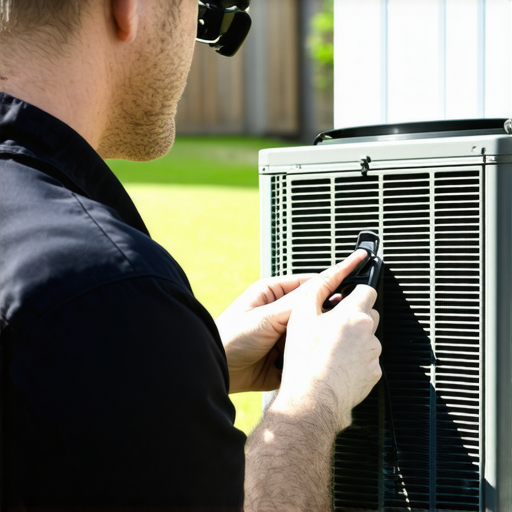
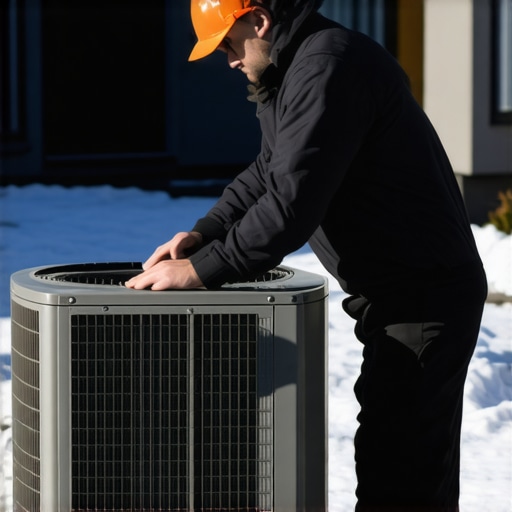
Start with a thorough visual inspection of your heat pump. Check for any debris, leaves, or snow buildup around the outdoor unit, like clearing a driveway after a snowstorm. During my first winter, I neglected this step, and snow clogged the fins, causing the system to freeze. Now, I clear the area weekly, especially before cold snaps, and it keeps my heat pump running smoothly.
Clear Obstructions and Maintain Clearances
Ensure at least two feet of clearance around the outdoor unit. Remove leaves, dirt, and snow that can insulate the coils, reducing efficiency. Use a broom or brush to gently clean the fins—avoid damaging them. Think of it as brushing dust off a beloved book; it keeps everything working properly.
Check and Replace Air Filters
Dirty filters restrict airflow, making your heat pump work harder and less efficiently. During winter, replace filters every 1-2 months, or more if you have pets or allergies. I once ignored this, and my system struggled to heat my home during a cold snap. Replacing the filters immediately improved performance and reduced energy bills.
Perform a Thermostat and System Test
Test your thermostat to ensure it’s accurate and responsive. Set it to a comfortable temperature and observe if the system activates promptly. During a cold night, I found my thermostat was off by a few degrees, causing uneven heating. Calibrating it or replacing batteries can fix such issues.
Schedule Professional Maintenance Before Winter
Book a comprehensive tune-up with a trusted HVAC technician. They will inspect refrigerant levels, test components, and clean critical parts. I scheduled my annual service in late fall, and the technician discovered a refrigerant leak that, if left unchecked, could have caused a system failure during peak cold weather. Regular professional checks are crucial for winter readiness.
Focus on Critical Components
Ask your technician to examine the compressor, fan motors, and refrigerant lines. These parts are the heart of your heat pump, and their failure can leave you in the cold. Think of it as giving your car a check-up before a long winter drive—preventive care keeps everything running smoothly.
Monitor System Performance During Cold Weather
Keep an eye on how your heat pump performs during colder days. If you notice uneven heating or strange noises, don’t ignore them. Sometimes, a simple adjustment or cleaning can restore efficiency. I once heard strange banging during a cold snap; a quick call to my technician fixed the issue, preventing a costly breakdown.
By following these straightforward steps, you can ensure your heat pump stays reliable through even the coldest months. For more detailed strategies, visit this guide on extending the lifespan of your HVAC system.
Many homeowners believe that once their heat pump passes a basic fall check, no further winter-specific maintenance is needed. However, this misconception can lead to costly repairs or complete system failure when the cold hits hardest. In reality, understanding the nuanced requirements of heat pump upkeep during winter can be the difference between reliable warmth and unexpected breakdowns.
One prevalent myth is that seasonal tune-ups are optional or only necessary for older systems. Contrary to this belief, regular professional inspections before winter are crucial for modern systems, which often incorporate advanced technology that needs precise calibration. According to experts at Preventative Heating Maintenance, early diagnosis of refrigerant leaks or worn components can prevent system freeze-ups, which are common in sub-zero temperatures.
Why do so many get fooled by the cold-weather myths?
Many assume that if the heat pump is working fine in the fall, it will automatically handle winter conditions. But winter presents unique challenges—such as ice buildup on outdoor coils and increased demand for defrost cycles—that require specific attention. Overlooking these can cause inefficient operation, higher energy bills, or system damage. For example, a common mistake is ignoring ice accumulation, which can insulate coils and hinder heat transfer, ultimately causing system overheating or failure. Regularly inspecting and clearing ice buildup, especially during prolonged cold snaps, is a simple yet often neglected task.
Another misconception is that modern heat pumps are entirely maintenance-free. While they are designed for durability, their performance depends heavily on proper seasonal care. Components like reversing valves and defrost sensors are sensitive to cold and need checking to ensure they respond correctly. The top repair strategies emphasize that neglecting these parts can lead to inefficient heating and increased wear.
Advanced users might ask, “How can I optimize my heat pump’s performance for harsh winters?” The answer involves not just routine checks but also understanding the system’s technical limits. For instance, ensuring that refrigerant levels are optimal is vital; low levels can cause the system to work harder and freeze up. This is especially true in colder climates where refrigerant migration and pressure issues are more pronounced. Consulting with a HVAC professional for a detailed seasonal maintenance plan ensures your system maintains peak performance, as outlined in winter maintenance tips.
Have you ever fallen into this trap? Let me know in the comments, and remember: proactive, informed maintenance is your best defense against winter’s worst surprises.
Investing in the Right Equipment for Long-Term Performance
Maintaining a reliable heat pump during the winter months requires more than routine checks; it involves deploying the right tools that can accurately diagnose and address issues before they escalate. I personally rely on a digital refrigerant leak detector, such as the UEi Test Instruments model, which allows me to pinpoint leaks quickly and precisely. Regular use of this device has prevented refrigerant loss, ensuring the system operates at optimal efficiency and avoids costly repairs. Additionally, I use a high-quality multimeter capable of reading HVAC-specific parameters, which helps me verify electrical components like capacitors and relays are functioning correctly. These tools enable me to perform thorough inspections without needing constant professional intervention, saving both time and money.
How do I maintain my system over time?
Consistent maintenance involves scheduled inspections using these tools, particularly before the coldest days hit. It’s wise to check refrigerant levels, test electrical connections, and verify thermostat accuracy periodically. For long-term results, I recommend keeping a detailed log of inspections, repairs, and part replacements. This record helps identify patterns and anticipate future needs, aligning with strategies outlined in these system longevity tips. Moreover, scheduling professional maintenance annually ensures that sophisticated components like the compressor and defrost sensors receive expert attention, as emphasized in winter maintenance guides.
Anticipate Future Trends in Heat Pump Maintenance
Looking ahead, I believe smart diagnostic tools integrated with IoT technology will revolutionize heat pump upkeep. Imagine having a system that alerts you via your smartphone when refrigerant levels drop or when a component nears failure. This proactive approach will minimize downtime and extend equipment lifespan even further, echoing innovations discussed in future HVAC solutions. Embracing these advancements now, such as installing compatible smart thermostats, can prepare your system for this wave of technological progress.
Don’t wait for a breakdown to start troubleshooting. Try integrating a digital leak detector into your routine maintenance today and see how small investments in tools can lead to big savings and more consistent winter comfort. For tailored advice, consider consulting with experts at top heating specialists.
What the Cold Taught Me About Heat Pump Survival
One of the toughest lessons I learned was that neglecting simple winter checks can turn a cozy home into a freezing nightmare. I once ignored ice buildup on my outdoor unit, thinking it would melt away. Instead, it led to a system freeze that took days to fix. Now, I know that regular inspections and clearing ice are game changers for winter performance.
Another insight was how crucial refrigerant levels are. When I ignored low refrigerant, my heat pump struggled to heat properly during a deep cold snap. A quick professional recharge restored efficiency and saved me from expensive repairs. The key is to stay proactive, not reactive.
Finally, I discovered that understanding my system’s components, like the defrost sensor and compressor, helped me spot issues early. Learning what to listen for and observe gave me peace of mind during the coldest nights. It’s all about becoming your own winter climate warrior.
Tools and Tips That Changed My Approach
Using a digital refrigerant leak detector was a revelation. It helped me find leaks quickly, preventing refrigerant loss and system failure. I also rely on a quality multimeter to check electrical parts—trust me, these tools are worth every penny.
For more in-depth strategies, I recommend visiting this comprehensive guide. It offers insights into maintaining your heat pump’s longevity and efficiency.
Embrace Your Winter Home-Protection Journey
Taking control of your heat pump’s winter readiness is empowering. Small steps—like regular cleaning, professional tune-ups, and understanding your system—can ensure warmth and safety all season long. Don’t wait for a breakdown; act now and enjoy a cozy winter.
What’s the biggest winter maintenance mistake you’ve made or want to avoid? Share below—I’d love to hear your stories and tips!
Reading through this post really resonated with me, especially the part about maintaining outdoor clearance and checking refrigerant levels. Last winter, I overlooked the buildup of ice on my outdoor unit, and it resulted in a tough freeze-up that took days to fix. Since then, I make it a point to clear snow and ice regularly, especially during cold snaps, which saves me a lot of headaches and keeps my system running smoothly.
I’ve found that investing in a reliable digital leak detector has been a game changer. It helps catch refrigerant leaks early, preventing major failures when temperatures drop. I’m curious, have others here tried integrating smart IoT sensors for heat pump maintenance? I’ve been considering whether that additional tech could offer even more peace of mind and proactive alerts. Would love to hear if anyone’s had experience with these systems and if they found them worth the investment. Staying proactive definitely seems like the best way to avoid those dreaded cold nights without heat.