I remember the cold snap last winter when my heat pump suddenly decided to take a vacation right in the middle of the coldest night. I woke up to a freezing house and a sinking feeling that I’d overlooked something crucial in my maintenance routine. That lightbulb moment made me realize how vital proactive care is for keeping our systems running smoothly through the chilly months.
Why Preparing Your Heat Pump Matters More Than Ever
As winter approaches, ensuring your heat pump is in tip-top shape isn’t just about comfort — it’s about safety, energy savings, and avoiding those dreaded emergency repairs that can ruin your season. A well-maintained system can reduce your energy bills and increase the lifespan of your equipment. Believe it or not, neglecting simple tasks like cleaning filters or inspecting coils can lead to costly breakdowns. According to the Department of Energy, regular maintenance can improve heat pump efficiency by up to 25%, saving you money in the long run.
Have You Faced the Frustration of a Cold House When You Needed Warmth Most?
If so, you’re not alone. I’ve been there, and I’ve learned from my early mistakes — like ignoring that squeaky fan or skipping annual tune-ups. It’s easy to think a system will just work, but winter reveals all the cracks. That’s why I want to share practical tips that will help you avoid those panicked calls to repair services and keep your home cozy all season long. For comprehensive strategies, check out top HVAC repair tips for winter efficiency.
So, what’s the secret? It’s about consistent, simple maintenance routines that can make all the difference. Ready to get ahead of winter and keep your heat pump humming? Let’s dive into some expert-approved tips that will maximize your system’s performance and keep your home warm and safe throughout winter 2024.
Inspect and Clean Filters Regularly
One of the simplest yet most vital steps is checking your heat pump filters every month. During my first winter with a new system, I ignored this task until I noticed a decline in performance. When I finally cleaned the filters, I immediately felt the difference—better airflow and increased efficiency. Remove the filters, vacuum off dust, or replace them if they’re worn out. This prevents dust buildup that can strain the system and reduce heating effectiveness.
Examine Coils and Outdoor Units
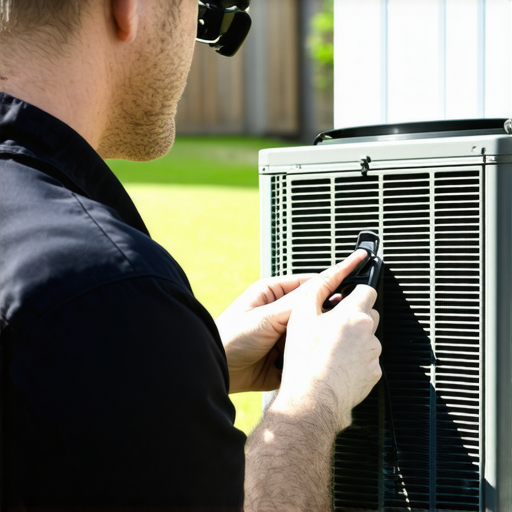
Next, inspect the evaporator and condenser coils for dirt, debris, or ice buildup. Think of coils like the lungs of your heat pump—they need to breathe freely. I once ignored a thick layer of ice on my outdoor unit, which caused my system to work harder and eventually break down. To prevent this, turn off the system, remove snow or leaves, and gently clean the coils with a soft brush or garden hose. If ice persists, it might be a sign of a refrigerant or defrost problem—consider professional service.
Ensure Proper Airflow Around the Unit
Clear any obstructions around your outdoor unit, such as leaves, snow, or garden furniture. Adequate clearance—about two feet on all sides—ensures proper airflow, which is critical for optimal operation. I learned this the hard way when a snowdrift partially covered my unit, causing it to overheat and shut down. Regularly remove snow and trim nearby plants to keep the area accessible and ventilated.
Check Thermostat Settings and Functionality
Your thermostat is the command center of your heating system. Set it to a comfortable, energy-efficient temperature—around 68°F (20°C)—and ensure it responds correctly. I once set my thermostat incorrectly and discovered it wasn’t communicating with the heat pump. Testing the thermostat by adjusting the temperature and observing system response prevents surprises during cold spells. Consider upgrading to a smart thermostat for more precise control and energy savings.
Inspect and Test System Components
Look for loose wiring, damaged capacitors, or worn belts. Turn off the power before inspecting electrical parts. I once found a loose wire that was causing intermittent heating issues—tightening it fixed the problem instantly. If you’re unsure about electrical components, it’s safer to call a professional. Regular inspection prevents small issues from escalating into costly repairs.
Schedule Professional Maintenance
While many tasks are DIY-friendly, annual professional tune-ups are essential. A technician can perform a thorough cleaning, refrigerant check, and system diagnostics. I scheduled a professional service last fall, which caught a refrigerant leak early—saving me hundreds in potential repairs. For trusted heating service, visit this guide.
Implementing these steps diligently can dramatically improve your heat pump’s performance and longevity during winter 2024. Regular care ensures your home stays warm, safe, and energy-efficient all season long.
Many homeowners operate under assumptions about heat pump care that can lead to costly mistakes or overlooked issues. As an HVAC expert, I’ve seen these myths cause more harm than good, especially during the critical winter months. Let’s dig deeper into what most people get wrong about maintaining heat pumps and how you can avoid these pitfalls to ensure reliable performance all season long.
Why is routine cleaning not enough for true heat pump longevity?
While regular filter changes and coil cleaning are vital, they alone don’t guarantee your system’s health. Many assume that sticking to these basics is sufficient, but neglecting other nuances can trap you in a false sense of security. For example, refrigerant levels need to be checked periodically—low refrigerant not only reduces efficiency but can damage components if left unaddressed. According to HVAC experts, refrigerant issues are a common, yet often overlooked, cause of system failure.
Beware the myth that DIY fixes are always safe and effective
Many homeowners believe they can handle minor repairs like wiring or coil cleaning without professional help. This can be dangerous and counterproductive. Incorrect handling of electrical components or refrigerant can cause system damage or personal injury. Remember, heat pumps are complex systems that require specialized tools and knowledge. It’s better to schedule an annual professional inspection, which can catch issues early. For trusted service, visit this guide for selecting the right technician.
Advanced maintenance mistakes that trip homeowners up
One subtle mistake is neglecting the defrost cycle. Many assume that ice on outdoor coils means they need to manually remove it. However, frequent manual defrosting can interfere with the system’s built-in defrost cycle, causing more harm than good. If ice persists despite proper outdoor clearance, it’s a sign of underlying refrigerant or sensor issues, which require professional diagnosis. Additionally, ignoring system diagnostics during tune-ups might miss early signs of compressor wear or electrical problems that could lead to catastrophic failure if unaddressed.
In essence, proactive maintenance involves understanding your system’s sophisticated components and avoiding shortcuts. Regular professional tune-ups, combined with informed homeowner practices, can extend your heat pump’s lifespan and keep it performing efficiently. Don’t fall into the trap of thinking maintenance is just about filters and coils—look deeper, and you’ll save money and hassle in the long run. Have you ever fallen into this trap? Let me know in the comments!
Keeping your heat pump running smoothly over the years requires more than just basic maintenance; it demands the right tools, a strategic approach, and an understanding of evolving technology. As we look toward 2025, I’ve found that investing in quality equipment and adopting modern methods can significantly extend your system’s lifespan and performance.
Invest in a Digital Manifold Gauge Set
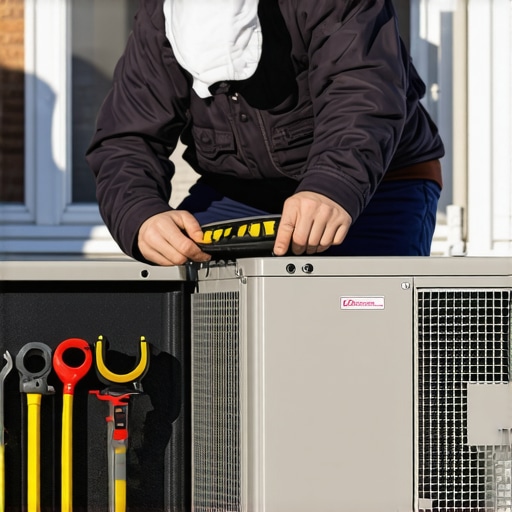
One of my favorite tools is a digital manifold gauge set, like the Yellow Jacket Series from heat pump solutions for efficient home comfort in 2025. Unlike traditional analog gauges, a digital set provides precise readings of refrigerant pressure and temperature, making troubleshooting much easier. I use this tool regularly during routine checks to verify refrigerant levels and ensure optimal system performance, which can prevent costly repairs down the line.
Utilize Smart Diagnostic Devices
Smart diagnostic tools like the Testo 550 digital manifold or Fluke’s HVAC-specific multimeters are game-changers. These devices connect via Bluetooth to your smartphone, allowing real-time data analysis and easy documentation. I personally rely on these for quick diagnostics during maintenance visits, as they help identify issues such as sensor faults or electrical irregularities before they escalate. As technology advances, these tools only become more integrated, offering predictive maintenance capabilities that are invaluable for long-term system health.
Adopt Remote Monitoring Software
Remote monitoring platforms like Honeywell’s Lyric or Nest Pro offer continuous oversight of your heat pump. They send alerts if performance drops or issues arise, allowing proactive intervention. I recommend setting up these systems for homeowners who want peace of mind, especially during winter when system failure can be costly. These platforms also generate detailed reports that help in planning scheduled maintenance, reducing unexpected breakdowns.
Why Regular Calibration Matters
Calibration of sensors and control systems is often overlooked but crucial. Using calibration kits specific to your equipment ensures that readings stay accurate over time. I make it a point to calibrate sensors annually, utilizing professional-grade calibration tools. This practice aligns with the trend toward smart, self-correcting HVAC components, which are expected to dominate the market by 2025, according to top HVAC repair strategies to extend your system’s life.
How do I maintain my tools and software over time?
Proper maintenance of your diagnostic tools, including regular firmware updates and calibration, is essential. Keep your equipment clean, store it in protective cases, and follow manufacturer instructions for updates. Staying current with software updates ensures compatibility with new HVAC components and improves reliability. I set reminders for annual tool calibration and software updates to keep everything performing at peak efficiency.
Looking ahead, the integration of AI-driven diagnostics and IoT-enabled systems will become standard, making maintenance more predictive and less reactive. Embracing these tools now will prepare you for a future where heat pump maintenance is faster, smarter, and more accurate. Don’t hesitate to try out one of these advanced tools today—your heat pump will thank you for it!
The Hardest Lesson I Learned About Heat Pump Maintenance
One of my most eye-opening experiences was realizing that even a well-maintained heat pump can have hidden issues that only surface in cold weather. I once ignored a small refrigerant leak that seemed insignificant until the freezing temperatures made it obvious — my system struggled to keep up. That taught me the importance of not just routine cleaning but also periodic professional diagnostics, especially before winter hits.
3 Myths About Heat Pumps That Held Me Back
I used to believe that DIY fixes for electrical issues or refrigerant levels were safe and effective. Turns out, such shortcuts can cause more harm than good. Now I know that trusting trained professionals for annual tune-ups ensures my system’s longevity and efficiency. For expert help, I recommend checking out this guide.
What Experts Won’t Tell You About Heat Pump Longevity
Many homeowners overlook the importance of sensor calibration and advanced diagnostic tools. Investing in a digital manifold gauge set or remote monitoring software can catch issues early and save you money. Personally, I use these tools during regular maintenance to verify refrigerant levels and system health, which has significantly extended my heat pump’s lifespan.
Where to Go from Here
If you want to ensure your heat pump performs reliably through winter 2024, embrace both DIY routines and professional inspections. Regular cleaning, outdoor unit clearance, smart diagnostics, and timely professional tune-ups form a comprehensive approach. For trusted service providers and cutting-edge tools, visit this resource.
Your Turn to Try
Are you confident your heat pump is winter-ready, or have you experienced unexpected failures? Share your stories or questions below — your insights might help someone else keep their home warm and safe this season!