The Sound of a Ten-Thousand-Dollar Mistake
You just dropped a fortune on a high-efficiency heat pump. You’re expecting lower bills, whisper-quiet operation, and that sweet, sweet green energy tax credit. But three weeks in, the inverter board fries, the compressor sounds like a bucket of bolts in a blender, and the whole system locks out with a cryptic ‘Communication Error.’ Most ‘Sales Techs’ will tell you it’s a factory defect. They’re lying. Nine times out of ten, it’s the copper running through your walls. My old mentor used to scream, ‘You can’t cool what you can’t touch, and you can’t control what you don’t power!’ This is why airflow matters more than horsepower, but wiring is the nervous system that keeps the heart beating. If you’re upgrading your equipment without performing thermostat wiring upgrades, you aren’t installing a comfort system; you’re installing a time bomb.
The Cold Climate Reality: Why Heat Pumps Are Different Now
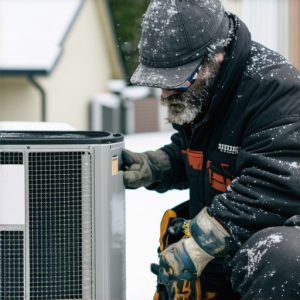
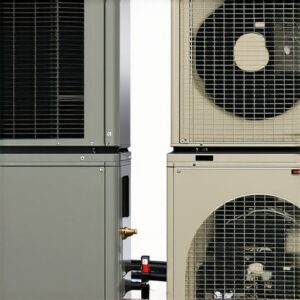
In the North, where we deal with snow melt systems installation and gas furnace repair, the heat pump was once a joke. Now, with the death of R-410A and the shift to A2L refrigerants like R-454B, these units are smarter and more sensitive than ever. We’re moving into a regulatory cliff where ‘mildly flammable’ refrigerants require specialized leak sensors and modulated control. If your ‘Sparky’ or a lazy tech tries to use the old 4-wire thermostat bundle from 1994 to run a modern modulating heat pump, they are asking for a catastrophic failure. Modern systems don’t just turn on and off; they talk. They use pulse-width modulation (PWM) and DC voltage signals that are highly susceptible to electromagnetic interference (EMI) and voltage drop.
“The most expensive equipment in the world cannot overcome a bad duct system or improper control wiring.” – Industry Axiom
Thermodynamic Zooming: How Wiring Affects Latent Heat Removal
Let’s talk physics. A heat pump doesn’t ‘create’ heat; it moves it. In the winter, it’s pulling heat out of sub-zero air (yes, there is heat there until you hit absolute zero) and pumping it inside. This requires the evaporator coil to stay precisely at the right temperature to manage the dew point. If the wiring is mismatched, the indoor blower might not ramp up correctly. This leads to the coil dropping too low, freezing the condensate, and turning your high-tech unit into a block of ice. Proper heat pump solutions for efficient home comfort in 2025 require a 1:1 match between the control signal and the mechanical response. If the signal is weak because of old, thin-gauge wire, the expansion valve hunts, the head pressure spikes, and the compressor starts pulling high ‘juice’ (amperage) until the windings cook themselves.
The ‘Sales Tech’ Trap and the A2L Transition
I’ve followed behind too many ‘Sales Techs’ who quoted a homeowner fifteen grand for a new system but didn’t even look at the ‘Pookie’ (mastic) on the ducts or the state of the control wires. They want the quick commission. They leave the old 18/4 wire in place when the new unit needs an 18/8 for full diagnostic communication. When the unit fails, they blame the manufacturer. This is especially dangerous with the new A2L refrigerants. These systems have sensors that must communicate with the board to shut down the unit if a leak is detected. If that wiring is shoddy, the safety protocols fail. That’s why choosing the best heating service expert is about finding a guy who carries a multimeter, not just a sales brochure.
Warehouse Heating and Industrial Solutions
This isn’t just a residential problem. In the commercial world, warehouse heating solutions often rely on infrared heater installation or massive rooftop units. I’ve seen modulating furnace repair jobs where the ‘Tin Knocker’ did a beautiful job on the metal, but the controls were wired by someone who didn’t understand 24V common loops. In large-scale applications, combustion analysis is critical for safety, but if the thermostat isn’t calling for the right stage of heat, the burner never reaches steady-state efficiency, leading to soot buildup and heat exchanger cleaning requirements every six months instead of every five years.
“Proper sizing and installation of HVAC systems shall be based on ACCA Manual J and Manual S to ensure equipment longevity and occupant safety.” – ASHRAE Standard 608
The Anatomy of a Failure: Why Inverters Die
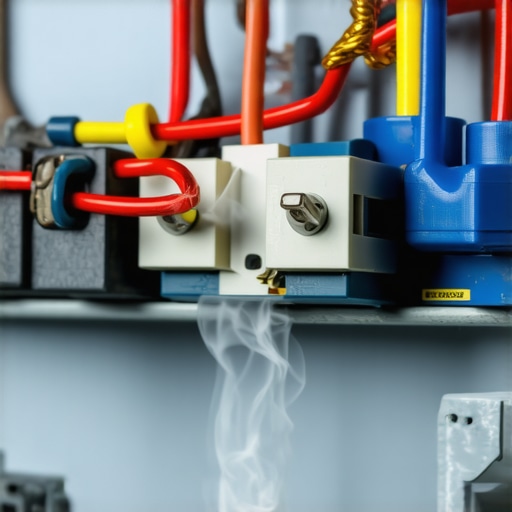
Modern heat pumps are basically giant computers. The inverter board converts AC power to DC to vary the speed of the compressor. This allows the unit to run at 20% capacity to maintain a steady temp rather than ‘short cycling’ at 100%. However, DC boards hate ‘dirty’ power. If your wiring has a loose neutral or a high-resistance connection at the thermostat, it creates electrical noise. This noise confuses the microprocessor. Eventually, the board ‘pops’—an acidic, sour smell that every veteran tech knows too well. Replacing that board is a $1,200 job that could have been avoided with a $50 wire pull. If you want your system to last, you need top HVAC repair strategies that prioritize the electrical infrastructure as much as the refrigerant charge.
Maintenance and the Long Game
Don’t fall for the ‘Scam Tune-Up’ where they just spray some water on the condenser. Real preventative heating maintenance involves checking the ‘suction line’ (it should be ‘beer can cold’ in AC mode) and verifying that the temperature rise across the heat exchanger is within the nameplate specs. If you have a gas backup, you need gas furnace repair expertise to ensure the secondary heat exchanger isn’t clogging. We also help clients with rebate application assistance because the government is currently paying homeowners to fix these very issues. But remember: if you don’t fix the wiring, you’re just throwing taxpayer money into a hole in the ground. If you’re ready to do it right, contact us before you fry your new investment. Comfort is physics, not magic, and physics doesn’t forgive bad wiring. For more details on keeping your system running, check out our guide for homeowners in 2025.