The Sound of a Mechanical Heart Attack
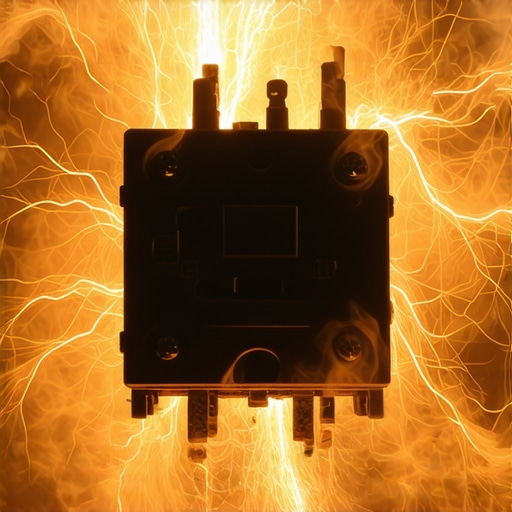
You’re sitting in your living room, the thermometer is pushing 110°F outside, and suddenly you hear it. It’s not the familiar roar of the condenser fan or the steady thrum of the compressor. It’s a low-frequency, angry buzz—a hum that sounds like a trapped hornet inside a metal box. That sound is the death rattle of your contactor, and if you don’t listen to it, you’re about to pay the ‘ignorance tax’ to a big-box HVAC company. Most homeowners think a hum is just a quirk of an aging system, but as someone who has spent three decades dragging a manifold gauge set through crawlspaces, I can tell you that hum is actually the sound of 24 volts struggling to hold a magnetic bridge against a pitted, charred set of silver points. When that bridge fails, your compressor—the expensive heart of your system—is the next thing to go.
The Sales Tech Scam: A $14,000 Pitted Point
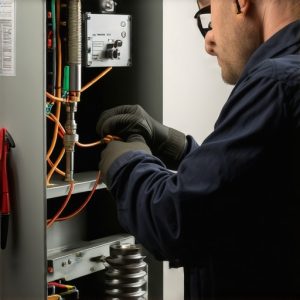
Last August, I followed one of those ‘Sales Techs’—you know the ones, they wear the pristine white uniforms and carry iPads instead of pipe wrenches. He had just visited a retired engineer in the heat of a desert summer. The engineer’s unit was humming, and the compressor wouldn’t kick over. The Sales Tech spent ten minutes at the unit, didn’t even pull his meter out of the bag, and handed the man a quote for $14,500 for a full 18-SEER inverter system replacement. He told the guy his ‘compressor had grounded’ and the ‘juice’ was leaking. I showed up an hour later. I pulled the side panel off and found exactly what I expected: a contactor that had ‘chattered’ so many times the points were welded shut with carbon. It was a $40 part and a thirty-minute wiring repair for heating systems and cooling components. I replaced the contactor, cleaned the terminals, and that ‘dead’ compressor hummed back to life like a sewing machine. This is why you need a technician, not a salesman.
“The most expensive equipment in the world cannot overcome a bad duct system or a failed electrical interface.” – Industry Axiom
The Anatomy of the Hum: Why Contactors Fail
To understand the hum, you have to understand the physics of an inductive load. Your thermostat is a low-voltage switch. When it calls for cooling, it sends 24 volts to a copper coil inside the contactor. This coil creates a magnetic field that pulls down a metal plate, completing the high-voltage circuit (240 volts) that feeds the compressor and the fan motor. In a dry, high-heat climate like the Southwest, the ambient temperature under that metal cabinet can hit 140°F. That heat increases electrical resistance. When the contactor points get old, they don’t make a clean ‘snap.’ They arc. Every time they arc, they create a tiny burst of plasma that eats away the silver coating. Eventually, you get ‘pitting.’ This pitted surface has higher resistance, which generates more heat, which leads to more pitting. The hum you hear is the magnetic coil trying to hold that bridge down against the resistance of its own decay. If it chatters—rapidly opening and closing—it can send a voltage spike back to the compressor windings, potentially melting the insulation and causing a permanent failure. This is where contactor repair becomes a critical preventive measure.
Thermodynamic Zooming: Latent vs. Sensible Heat
In our dry climate, we deal primarily with sensible heat—the heat you can actually feel on your skin. However, when a contactor starts to fail and the system short-cycles, we lose our ability to manage the ‘Monsoon Effect.’ Even in a desert, we have periods of high humidity. A properly functioning system needs to run long enough for the evaporator coil to drop below the dew point. This is where latent heat is removed. As the air passes over those ice-cold fins, moisture condenses and drains away. If your contactor is failing and causes the system to cycle on and off every five minutes, the coil never stays cold long enough to dehumidify. You end up with a house that is 72 degrees but feels like a swamp because the latent heat is still hanging in the air. This is why properly functioning electrical components are the gatekeepers of true comfort.
The Airflow Manifesto: Why Your Ductwork is Killing Your Parts
I’ve said it a thousand times: Airflow is king. If your ‘Tin Knocker’ (the duct installer) didn’t size your return air properly, your system is fighting a constant battle. High static pressure makes your blower motor pull more amps. More amps mean more heat at the contactor and the capacitor. If your filters are clogged, or if you’ve closed off too many vents, you are literally strangling the machine. This puts a massive strain on the electrical lugs. I often see ‘melted’ wires at the contactor because the system was running too hot for too long. Whether you are looking at new construction heating design or an old retrofit, the math doesn’t lie. You need 400 CFM (cubic feet per minute) of airflow per ton of cooling. Anything less, and you’re just waiting for something to burn out. This is also true for specialized systems like biomass boiler services or pellet stove repair; if the air can’t move, the heat can’t leave, and the parts will fail.
“Standard maintenance procedures must include the inspection of electrical contact surfaces for pitting and oxidation to prevent compressor single-phasing.” – ASHRAE Standard 180
The Repair vs. Replace Math
When I’m looking at a unit with a dying contactor, I look at the whole picture. Is the ‘Juice’ (refrigerant) clean, or is it acidic? If the contactor failed because of a lightning strike or a power surge from a ‘Sparky’ working on the main panel, a repair is a no-brainer. But if the contactor is burnt because the compressor is pulling 150% of its rated Full Load Amps (FLA), then we have a deeper problem. A contactor repair is usually a couple of hundred dollars. A new system is thousands. If your unit is under 10 years old and the coils are clean, fix the electrical. If you’re running an old R-22 system that’s leaking ‘Gas’ like a sieve, it might be time to look at warranty service plans for a new unit. But never let a tech tell you that a humming sound automatically means you need a new furnace or AC. That’s just laziness or greed talking.
The Integrated Future: Solar and Steam
As we move toward 2025, we’re seeing more complexity. Solar thermal heating integration and advanced steam humidifiers require precise electrical control. Even a simple thermostat installation now involves communicating boards that are sensitive to the electrical noise a failing contactor produces. If you want your high-tech smart home to actually work, you need the low-tech mechanical parts—like contactors and capacitors—to be in top shape. Don’t let a $40 part turn into a $10,000 nightmare. Listen to the hum, call a real tech, and keep your ‘Suction Line’ beer-can cold.