It was the coldest night of last winter when my heater finally gave out—and let me tell you, that was a wake-up call I won’t forget. I’d been meaning to tune up my system, but life kept getting in the way. So there I was, shivering under a blanket, wondering how I’d let something so crucial slip through the cracks. That frustrating moment made me realize just how important proactive HVAC maintenance really is, especially when temperatures plummet.
Why Preparing Your HVAC System for Cold Weather Matters More Than Ever
Feeling frostbitten and helpless that night cemented a simple truth: reliable cold weather performance isn’t just a perk—it’s a necessity. When temperatures drop, your heating system faces increased strain, and any small oversight can turn into a major breakdown. I’ve since learned the hard way that neglecting preventive steps can leave you scrambling in the dead of winter. But here’s the good news: with the right strategies, you can keep your system humming smoothly through even the harshest months. Curious about what these strategies are? Stick around, because I’ll walk you through everything I’ve discovered from personal experience and solid industry advice.
Is Ignoring HVAC Maintenance Really a Risk Worth Taking?
I have to admit, in my early days of homeownership, I underestimated how critical regular upkeep was—thinking I could just call in repairs when things went wrong. That mistake nearly cost me a lot more; not only did I face cold nights, but emergency repairs ended up costing a lot more than scheduled tune-ups ever would. Experts agree that preventive maintenance can extend the life of your system and save you from expensive failures (see this guide for more tips). So, if you’re skipping your seasonal check or ignoring early warning signs, it’s time to reconsider. Next, I’ll share the most effective strategies I’ve adopted to stay ahead of winter breakdowns—so you don’t have to learn it all the hard way like I did.
Perform a Complete System Inspection
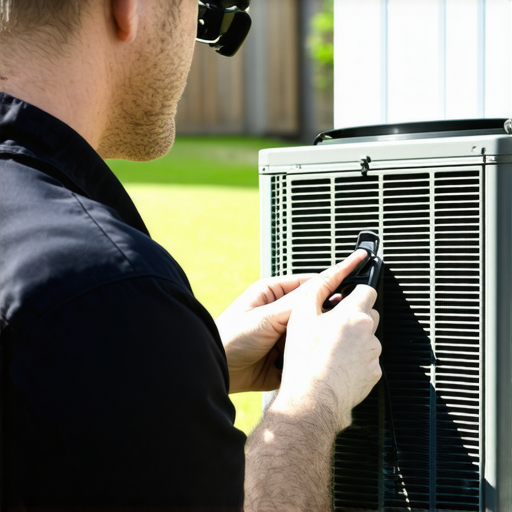
Start by visually inspecting your entire HVAC system, including the outdoor unit, indoor components, and thermostats. Look for debris, corrosion, or signs of wear. I remember the time I found leaves clogging my outdoor unit just before a cold snap—removing them instantly improved airflow and efficiency. Think of this step as giving your system a health checkup to catch problems early.
Check and Replace Air Filters
Clogged filters act like choking a straw—they restrict airflow and make your heater work harder. Replace filters at least once every three months, especially during cold seasons. I once neglected this, leading to reduced heat output and higher energy bills; after replacing the filter, my system ran smoother, and I saved on energy costs. Keeping filters fresh is a simple, impactful step.
Inspect Ductwork for Leaks
Leaky ducts are like holes in a gas tank—your heated air escapes, wasting energy and effort. Use a vapor spray or a soapy water solution to locate leaks; listen for escaping air during operation. I sealed my leaks with mastic tape, which immediately improved heat delivery and lowered my bills. Properly sealed ducts ensure warm air reaches every corner efficiently.
Schedule Professional Maintenance
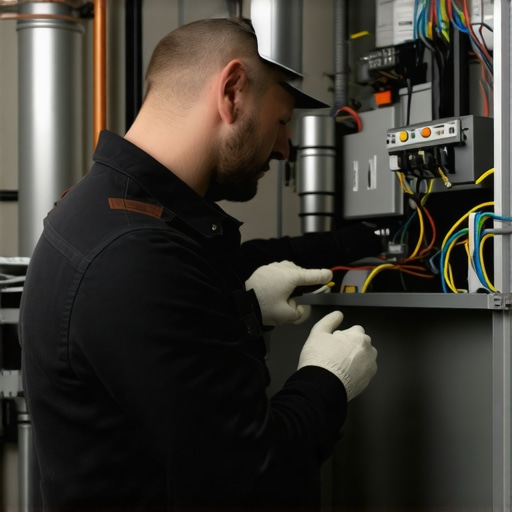
While some tasks are DIY, professional tune-ups are essential for a thorough check. An expert can inspect components like heat exchangers, capacitors, and motors—parts that I couldn’t reliably assess myself. I booked a service from a local technician, who cleaned and calibrated my system, preventing a costly breakdown during the coldest week. Regular maintenance extends system life and boosts efficiency.
Pay Attention to Thermostat Calibration
A miscalibrated thermostat can cause uneven heating or excessive energy use. Test it by setting a temperature and comparing it with a manual thermometer. I adjusted my thermostat’s calibration following an online guide, which resulted in consistent warmth and lower utility bills. Accurate temperature control makes all the difference in comfort and savings.
Upgrade to an Energy-Efficient Heat Pump
If your system is aging or underperforming, consider switching to a heat pump that provides both heating and cooling. I installed mine last season, and it offered reliable warmth even during the coldest days. Modern heat pumps, like the ones discussed here, are designed for cold climates and can reduce your energy costs significantly.
Set a Regular Maintenance Schedule
Consistency is key. Mark your calendar for seasonal check-ups—before winter and summer—to keep everything running smoothly. I set reminders and found that sticking to maintenance schedules prevented emergencies and kept my system efficient. Consider consulting a professional from experts recommended here.
When it comes to HVAC repair and maintenance, a surprising number of homeowners cling to misconceptions that can cost them both time and money. One prevalent myth is that if your system isn’t showing obvious signs of trouble, you can skip seasonal tune-ups. In reality, many issues develop slowly and without noticeable symptoms, making proactive maintenance essential to prevent costly breakdowns, especially during the peak cold months. Experts emphasize that regular check-ups can identify small problems—like minor coil corrosion or duct leaks—before they escalate. For instance, neglecting duct leaks can lead to significant energy wastage, increasing utility bills and decreasing comfort.
A common trap homeowners fall into is relying solely on visual inspections sans professional evaluation. You might notice debris or corrosion, but without proper diagnostics, unseen issues like failing capacitors or clogged filters might be missed, undermining system efficiency. To avoid this, scheduled professional service, which includes comprehensive system diagnostics, is vital. For a detailed approach, check out this guide on preventative maintenance.
A nuanced area many overlook is the importance of understanding heat pump-specific needs. Many assume that heat pumps require no special attention beyond traditional systems, but in colder climates, they demand tailored maintenance strategies. For example, regular defrost cycle checks and refrigerant levels are crucial to sustain efficiency during winter, as explained in this resource on heat pump upkeep. Overlooking these nuances can lead to inadequate heating and unexpected failure during cold snaps.
An advanced question homeowners often ask is how to interpret subtle signs of declining system performance. While frequent cycling or slight temperature fluctuations might seem negligible, they typically indicate underlying problems like airflow restrictions or sensor malfunctions. Recognizing these signs early can save a lot of hassle. Remember, expert advice and proper diagnostics make all the difference—more details can be found in top repair strategies.
Have you ever fallen into this trap? Let me know in the comments. Understanding the intricacies of HVAC systems and debunking common myths empowers you to make smarter maintenance choices, ensuring your home stays warm and efficient all winter long.
Getting Your Hands on the Right Equipment
In my experience, having the right tools makes all the difference when it comes to maintaining or repairing your HVAC system. I rely heavily on a digital multimeter, like the Fluke 117, because it provides precise readings of voltages and current, helping me quickly diagnose electrical issues without guesswork. Additionally, a robust refrigerant leak detector is essential for heat pump maintenance, enabling me to spot refrigerant leaks that could compromise efficiency and safety. Trust me, investing in quality diagnostic tools not only saves time but also prevents minor issues from snowballing into costly repairs.
Streamlining Maintenance with Software
Beyond hardware, I recommend software solutions such as mobile diagnostics apps tailored for HVAC systems. For example, some smart thermostats come with apps that monitor system performance, alerting you to irregularities before they turn into failures. I personally use a system like Nest, which provides real-time data and easy scheduling for routine checks. Incorporating such digital tools keeps proactive maintenance manageable and ensures I catch potential problems early, especially during peak heating seasons.
Adopting a Routine Inspection Method
Having a structured approach helps me stay ahead of system issues. I follow a checklist that includes inspecting electrical connections, testing thermostat calibration, and verifying adequate airflow. Regularly consulting trusted guides—like the comprehensive HVAC repair strategies article—reinforces my process. The key is consistency; setting monthly reminders ensures I don’t overlook critical steps, allowing for long-term savings and reliable comfort.
How do I maintain my HVAC tools over time?
Keeping your tools in optimum condition is vital. I always clean electronic meters after each use, store them in protective cases, and calibrate them annually to maintain accuracy. Proper maintenance prolongs tool lifespan and ensures reliable readings, making troubleshooting more effective. Experienced technicians recommend following manufacturer guidelines strictly, which you can find detailed here. Command attention to your tools—try updating your diagnostic gear this season for superior performance.
Considering Future Tech Trends
Looking ahead, I believe integrating IoT-enabled devices will become commonplace, offering remote diagnostics and predictive maintenance. Such innovations will drastically reduce downtime and extend system life, aligning with industry insights from IoT specialists. Staying updated with these advancements can give homeowners like us an edge, ensuring heating systems operate efficiently for years to come.
Start by experimenting with a diagnostics app or upgrading your multimeter to a model with Bluetooth connectivity. These small investments can elevate your maintenance game and deepen your understanding of your HVAC system’s health.
What No One Tells You About HVAC Winter Wins
One of the most profound lessons I encountered was realizing that even the best heating systems can fail if neglected—especially in the intense cold of winter. The lightbulb moment came when a small, overlooked duct leak became a huge heating loss, teaching me that details matter. The more I learned about proactive maintenance, the more I understood that taking small steps early on prevents big, costly surprises during peak cold months. This knowledge has transformed how I approach home comfort, emphasizing preparation over repair.
My Go-To Tools That Save Winter
Over time, I discovered that investing in quality diagnostic tools, like a professional-grade multimeter and refrigerant leak detector, made maintenance more accurate and less stressful. These tools helped me identify issues before they became emergencies—saving me money and cold nights. Combining reliable hardware with intuitive apps, I now monitor my system remotely, catching irregularities early. Trusting these sources and tools has made winter heating upkeep something I actively control rather than react to.
Embracing The Power of Knowledge
Nothing beats learning directly from trusted resources. Books like those linked here have deepened my understanding of seasonal HVAC care. Following industry blogs and expert advice, I’ve adopted strategies that extend equipment life and optimize efficiency. This ongoing education has reinforced the idea that being informed is the best defense against winter breakdowns, empowering me to tackle small issues early and save big in the long run.
Small Fixes That Make a Big Difference
One unexpected insight was how simple actions—like sealing duct leaks with mastic tape or replacing filters more frequently—can significantly impact heating performance. These small, manageable steps have consistently prevented discomfort and unwarranted expenses. The key takeaway is that consistent attention to detail, paired with the right tools and knowledge, creates a reliable shield against winter chaos, ensuring warmth and peace of mind.