The Silence of the Cold Shower: A Forensic Diagnosis
There is no sound more offensive to a homeowner at 6:00 AM in the middle of a January freeze than the silence of a water heater that has decided to quit. As a tech who has spent three decades dragging tools through crawlspaces and over frozen rooftops, I can tell you that a cold shower isn’t just an inconvenience; it is the first symptom of a systemic thermal failure. We are heading into 2026, and the landscape of home heating is shifting under our feet. Between low-GWP refrigerant retrofits changing the way heat pump water heaters operate and the increasing complexity of boiler repair services, the average homeowner is being sold a bill of goods by ‘Sales Techs’ who couldn’t tell a thermocouple from a tailpipe.
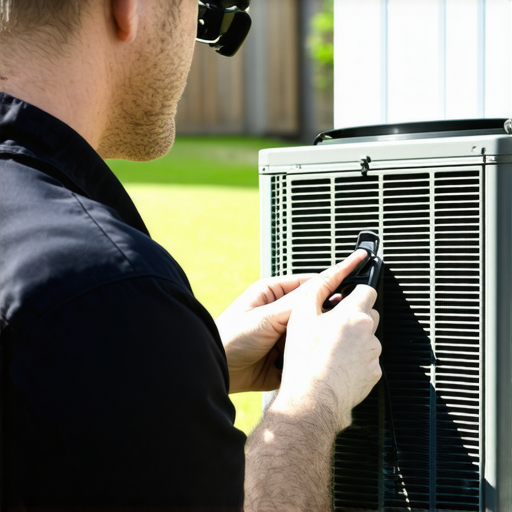
Last month, I followed one of these ‘clipboard technicians’ to a house in the suburbs. He had quoted a homeowner $14,000 for a full two-stage furnace installation and a new water heater because he claimed the heat exchanger was ‘bleeding CO.’ I walked in, pulled out my combustion analyzer, and found the unit was perfectly safe—it just had a $30 flame sensor coated in carbon soot. He wasn’t a mechanic; he was a salesman in a uniform. I despise that. Airflow and thermodynamics don’t lie, but people do. If you have no hot water, you don’t necessarily need a new system; you need to understand the physics of why your current one is failing.
“The most expensive equipment in the world cannot overcome a bad duct system or a poorly calibrated thermal loop.” – Industry Axiom
Fix 1: The Ignition Sequence and the Ghost of Carbon Soot
Whether you are dealing with a standard tank or a high-efficiency unit, the furnace ignition repair logic applies to water heaters too. If your water isn’t getting hot, the first place we look is the ignition bridge. In 2026, we are seeing more sophisticated electronic igniters that are sensitive to micro-variations in voltage. A common culprit is the flame rectification circuit. When the igniter glows but the burner doesn’t stay lit, the sensor isn’t ‘feeling’ the flame. It shuts the gas valve as a safety measure. This is essentially the same logic we use in variable speed furnace services: if the feedback loop is broken, the system hibernates. Clean your sensor with a piece of light-grit sandpaper—don’t let a ‘Sparky’ tell you the whole board is fried until you’ve checked the basics. For those with older boilers, boiler repair services often start with the thermocouple. If that copper lead isn’t sitting right in the pilot flame, you’re getting a cold shower. It’s simple physics: no heat, no millivolts, no gas flow.
Fix 2: Thermodynamic Zooming on Scale and Sediment
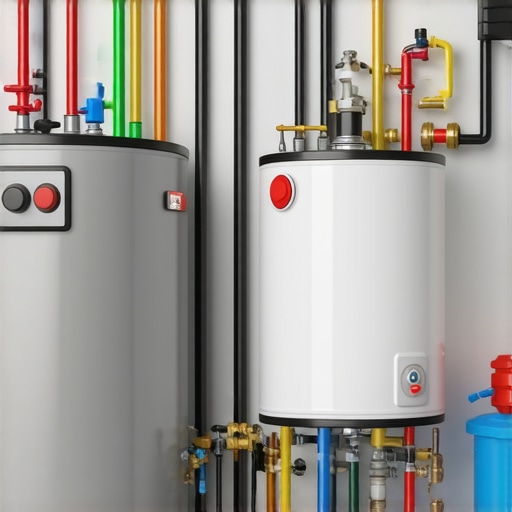
In the North, where the water is hard and the winters are brutal, the enemy is ‘Sensible Heat’ loss. Over time, calcium and magnesium precipitate out of your water and settle at the bottom of the tank. This creates an insulating layer between the burner and the water. This is where we apply ‘Thermodynamic Zooming.’ You think the burner is heating the water, but it’s actually trying to blast heat through a two-inch layer of rock. This causes the bottom of the tank to overheat, leading to the ‘popping’ sound you hear. It’s the sound of the tank’s lining cracking. If you don’t flush that sediment, you’ll eventually need a blower motor replacement or a full system swap because the thermal stress will kill the unit’s efficiency. Even geothermal heat pump systems can suffer from scale in their heat exchangers. High-efficiency systems in 2026 require a clean path for heat transfer. If you can’t touch the water with the heat because of scale, you are just burning ‘gas’ (refrigerant or natural gas) for nothing.
“Maintenance shall include the inspection of heat exchangers for evidence of corrosion, scale, or soot that may inhibit heat transfer.” – ACCA Manual J Standards
Fix 3: The Circulation Trap and the Zoning Paradox
Sometimes the water heater is fine, but the heat isn’t reaching you. This is a common issue in larger homes or facilities that try to mimic hospital HVAC zoning. If your recirculating pump fails, the hot water just sits in the tank while the pipes in your walls go cold. We see this often when homeowners skip preventative heating maintenance. A dead pump is often mistaken for a dead heater. Furthermore, if you are looking at low-GWP refrigerant retrofits for 2025/2026, you need to realize that the new A2L refrigerants have different pressure-temperature curves. If your system was recently serviced and now it’s underperforming, the ‘Tin Knocker’ or tech might have used the wrong charging sub-cooling targets. Always ensure your tech is using a digital manifold set calibrated for the new 2026 standards. If you are struggling with inconsistent temperatures, a two-stage furnace installation or a dedicated zoning system might be the only way to balance the thermal load of the house.
Why the ‘Airflow Architect’ Matters for Your Water
You might ask why an HVAC veteran is talking about water. It’s because the house is a single thermodynamic envelope. If your UV light installation for HVAC is poorly placed, it can degrade the plastic components of nearby water lines. If your blower motor replacement was done poorly, it can change the static pressure in the mechanical room, causing a water heater to back-draft CO into the home. It’s all connected. If you want to dive deeper into how to keep your system running through the decade, check out our guide on top HVAC repair strategies to extend your system’s life or learn about preventative heating maintenance for 2025. If you’ve been hit with a massive quote from a sales tech, contact us for a real mechanical perspective. Don’t let someone talk you into a geothermal heat pump system if all you need is a $20 ignition fix. Physics doesn’t care about a salesman’s commission; it only cares about the transfer of energy. Keep your coils washed, your filters changed, and your BS detector high. That’s how you survive the 2026 regulatory shift without going broke.