The Forensic Diagnosis: Why Your Sanctuary is Freezing and Your Budget is Bleeding
The silence of a sanctuary on a Sunday morning is meant for prayer, but when that silence is punctuated by the metallic ‘thunk’ of a gas valve failing to open, it’s a call to action. I’ve spent thirty years dragging my tool bag through crawl spaces and balancing on icy parapets, and if there’s one thing I’ve learned, it’s that a church is the ultimate thermodynamic challenge. You have massive vaulted ceilings, stained glass with the R-value of a wet paper bag, and a mechanical room that usually looks like a mad scientist’s basement. Most ‘Sales Techs’—those guys in the crisp white shirts who couldn’t tell a capacitor from a can of soda—will walk into a drafty parish and immediately quote a $50,000 replacement. They see a ‘bad unit’ where I see a simple physics problem. They want to sell you a shiny new box; I want to fix your airflow.
The $18,000 Lie: A Lesson in Integrity
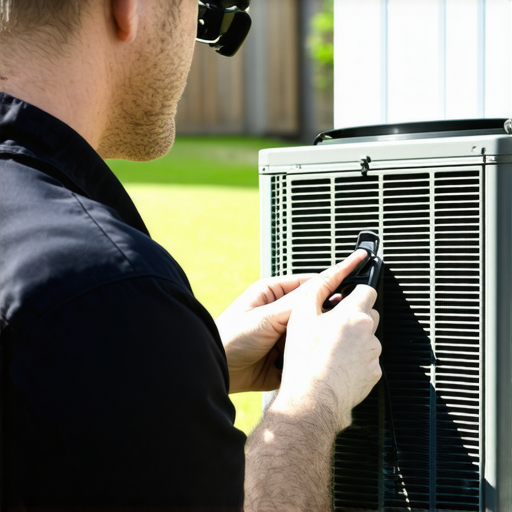
Last winter, I got a call from a small community chapel. A ‘Comfort Consultant’ from a big-box franchise had just told the pastor that their two 100,000 BTU furnaces were ‘thermally compromised’ and needed immediate replacement for the low price of $18,000. I climbed into the mechanical closet and smelled it immediately—not the sour, acidic stench of a burnt-out compressor, but the faint ozone smell of a struggling electrical component. After five minutes with my multimeter, I found the culprit: a 40VA transformer that had given up the ghost because a field mouse had chewed through the thermostat wire, causing a low-voltage short. A transformer replacement and some fresh wiring repair for heating systems cost them less than a Sunday brunch. This is why you never trust a tech who doesn’t have grease under his fingernails.
“The most expensive equipment in the world cannot overcome a bad duct system.” – Industry Axiom
1. Modulating Furnace Repair and the Myth of ‘On/Off’ Heat
In 2026, the old single-stage ‘blast furnace’ is a dinosaur. If your church still uses a furnace that is either 100% on or 100% off, you are throwing money into the wind. A modulating furnace repair or upgrade is the first step to real savings. These units function like a dimmer switch for heat. Instead of dumping a massive amount of BTUs into the sanctuary and then shutting off—causing the air to stratify and leave the parishioners’ feet freezing while the angels in the rafters are sweating—a modulating valve adjusts the flame in 1% increments. This maintains a steady ‘sensible heat’ load. When these systems fail, it’s usually not the heat exchanger; it’s the logic board or the inducer motor. I’ve seen ‘Sparkies’ try to bypass these boards, but that’s a recipe for a ‘Red Tag’ from the gas company. You need a tech who understands the PID loop and can calibrate the gas pressure for the local altitude.
2. The Belly of the Beast: Crawl Space Heating Solutions
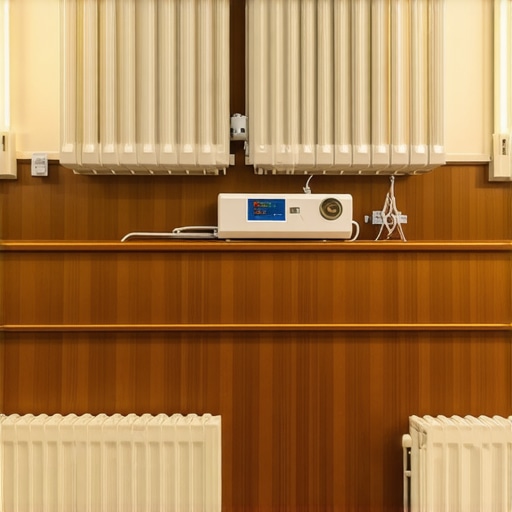
Most churches are built over massive, unconditioned crawl spaces. This is where the ‘Tin Knockers’ of yesteryear ran the ductwork, and it’s usually where 30% of your heat is lost before it ever hits a floor register. Crawl space heating solutions start with sealing. I don’t mean duct tape—I mean ‘Pookie’ (mastic). If you aren’t slathering every joint in gray, messy mastic, you’re heating the dirt under the building. Furthermore, the dryer vent cleaning for the church kitchen or rectory often gets overlooked, but a clogged vent in a crawl space is a moisture bomb that rots your floor joists and creates a ‘latent heat’ nightmare. High humidity in the crawl space makes the air feel colder, forcing you to crank the thermostat higher. It’s a vicious cycle of thermodynamics that ends with a structural repair bill you don’t want to see.
3. Demand-Controlled Ventilation: Stop Heating the Great Outdoors
Here is the biggest secret in HVAC: you are probably heating way more ‘fresh air’ than you need. ASHRAE standards require a certain amount of outdoor air for occupancy, but a church is only ‘occupied’ at 100% capacity for a few hours a week. If your dampers are stuck open, you are trying to heat the entire neighborhood. Demand-controlled ventilation uses CO2 sensors to tell the HVAC system exactly how many warm bodies are in the room. If there are only five people in the pews, the system keeps the dampers nearly closed, saving a fortune.
“Ventilation must be provided based on the actual number of occupants to ensure energy efficiency without compromising indoor air quality.” – ASHRAE Standard 62.1
This tech works hand-in-hand with HVAC maintenance plans that actually check the actuator motors instead of just glancing at the filters.
4. The Brains of the Operation: Thermostat Installation and Programming
I’ve seen $20,000 systems crippled by a $50 thermostat that was installed by a volunteer who didn’t know a common wire from a cooling leg. Professional thermostat installation is about more than just leveling the box on the wall. In 2026, programmable thermostat programming needs to account for the ‘thermal lag’ of a large stone building. You can’t just turn the heat on 20 minutes before the service. You need a ramp-up period that prevents the system from hitting ‘Stage 2’ heating, which is the most expensive way to run the unit. For churches, I always recommend a lockout feature. There is always one well-meaning member of the choir who wants to crank the heat to 85 degrees. A locked, smart thermostat prevents those spikes in ‘gas’ usage and keeps the system from short-cycling.
5. Small Parts, Big Problems: Capacitor Replacement Services
Even in the dead of winter, your furnace or heat pump has a ‘heart’ that needs a kickstart. A capacitor replacement services call is the most common ‘easy fix’ that unscrupulous techs turn into a replacement lead. The capacitor stores ‘juice’ to start the motors. In cold climates, high-voltage surges during ice storms can cook these little silver cans. If you hear a humming sound but no air is moving, don’t let anyone tell you the motor is shot until they’ve checked the microfarads on that cap. It’s a 10-minute fix that saves the congregation thousands. Pair this with top HVAC repair strategies to ensure that your older units survive another decade. If you’re looking for more efficiency, exploring heat pump solutions for the auxiliary offices can take the load off the main boiler. For a complete strategy, see our guide on preventative heating maintenance. If your system is truly at the end of its life, make sure you are choosing the best heating service to avoid the sales-tech trap. Ready for a real diagnosis? Contact us today and talk to a tech, not a salesman. All data is handled according to our privacy policy.