The Physics of the Plastic Bag: Why Your House is Suffocating
My old mentor, a guy who had been hauling oxygen tanks up 40-foot ladders since before the EPA existed, used to scream at me, ‘You can’t cool what you can’t touch!’ He wasn’t just talking about the fins on a dirty evaporator coil; he was talking about the molecules. In 2026, we are living in the era of the ‘tight envelope.’ We’ve wrapped our homes in so much spray foam and vapor barrier that we’ve essentially turned them into giant plastic bags. While that’s great for your utility bill, it’s a disaster for your lungs. You’re breathing the same stagnant air that’s been circulating since Tuesday, mixed with a little bit of off-gassing from your new carpet and whatever the dog brought in. If you don’t have a way to swap that air without losing your expensive ‘juice’ (refrigerant), you’re living in a biological soup.
‘Properly sized ductwork is the circulatory system of the home; without it, the heart—the HVAC unit—will fail prematurely.’ – ACCA Manual D Quality Installation Standard
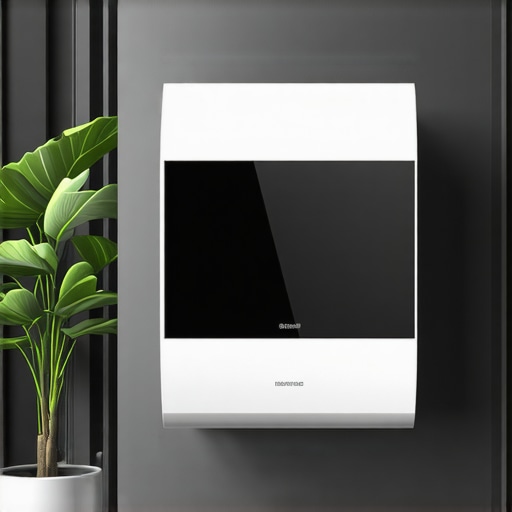
This is where the Heat Recovery Ventilator (HRV) comes in. It’s not just a fan. It’s a thermodynamic exchange engine. In our cold northern climates, we deal with sensible heat—the temperature you actually see on the thermostat. When you exhaust stale air, you’re throwing away money. An HRV uses a cross-flow core to pull the heat out of the outgoing air and ‘inject’ it into the fresh, incoming stream. You get the oxygen without the 10-degree temperature drop. As we move into the R-454B refrigerant transition services era, where new systems are becoming more sensitive to airflow and pressure, an HRV is no longer an ‘add-on’—it’s a necessity for 2026 survival.
1. Fresh Air Without the ‘Thermal Debt’
In the old days, if you wanted fresh air, you cracked a window. But in a Chicago winter, cracking a window is like settting a pile of twenties on fire. An HRV allows you to bring in sub-zero air and pre-heat it using the energy of the air you’re exhausting. We’re talking about efficiencies up to 80%. When I perform system performance testing, I’m looking at the TESP (Total External Static Pressure). If your home is too tight, your blower motor works harder, your ‘suction line’ starts sweating more than a tin knocker on a July roof, and your efficiency tanks. An HRV balances that pressure. It ensures your heat pump replacement or furnace isn’t fighting a vacuum. We’ve seen homeowners save hundreds on their heating bills just by letting the house breathe correctly.
2. HEPA Integration and the End of the Dust Cycle
Most people think a standard one-inch pleated filter is doing something. It’s not. It’s just keeping the big chunks out of your blower motor so it doesn’t seize. To actually clean the air, you need HEPA filter systems integrated into your ventilation strategy. When we install an HRV, we often pair it with high-efficiency filtration. This is critical because as we transition to smart building management systems, these sensors can detect VOCs (Volatile Organic Compounds) and ramp up the HRV speed. If you’re still using a basic electric heater services setup without mechanical ventilation, you’re just baking the dust. A properly installed HRV/HEPA combo removes the dander, the pollen, and the ‘pookie’ (mastic) fumes that might linger from duct repairs, ensuring the air is actually scrubbed before it hits your nose.
‘The supply of outdoor air shall be no less than that specified in Table 4.1a for the breathing zone.’ – ASHRAE Standard 62.2
3. Managing the R-454B Transition and Safety
2026 is a massive year for the industry because of the mandatory shift to A2L refrigerants like R-454B. These are ‘mildly flammable’ compared to the old stuff. While perfectly safe when handled by a pro, they require better airflow management. If you have a leak in a house that’s sealed tighter than a submarine, you have a concentration problem. Integrated ventilation helps mitigate these risks. When we provide R-454B refrigerant transition services, we aren’t just swapping a coil; we are looking at the entire air exchange rate. This is also a great time to look at financing for heat pump installs, as many federal and local credits now specifically target ‘whole-home’ health, which includes mechanical ventilation like HRVs. Don’t let some ‘sales tech’ just sell you a box; make sure they are looking at the smart building management capabilities of these new A2L-ready units.
4. Structural Preservation: Preventing the ‘Attic Rain’
In cold climates, stale air is usually wet air. Showers, cooking, and even breathing add gallons of water to your indoor environment. In a tight house, that moisture migrates into your walls and attic. I’ve seen gas line installation for furnaces where the venting was fine, but the house was so humid the rafters were literally dripping—we call it ‘attic rain.’ An HRV acts as a dehumidifier in the winter by swapping that moist indoor air for dry outdoor air, but doing it through a heat exchanger so you don’t freeze. This protects your headers, your drywall, and your shop heater services equipment in the garage. If you’re noticing frost on your windows, your house is screaming for an HRV. You can check out more on long-term system health at top-hvac-repair-strategies-to-extend-your-systems-life.
The Professional Verdict: Don’t Skip the Commissioning
I followed a guy last month who installed a high-end HRV but didn’t balance the dampers. One side was pulling 200 CFM and the other was only pushing 50. The house was under such a negative pressure that it was pulling sewer gas up through the floor drains. This is why system performance testing is non-negotiable. Whether you are doing a heat pump replacement or installing new electric heater services, the ventilation must be commissioned with a manometer. At Eco HVAC, we make sure the ‘tin knockers’ and the ‘sparkies’ (electricians) are on the same page. If you’re ready to stop breathing ‘second-hand air,’ you can reach out to us for warranty service plans and professional installs at contact-us. Remember, comfort isn’t just a number on the wall; it’s the physics of the air you’re currently inhaling. For more on heating options, see choosing-the-best-heating-service-expert-tips-for-2025 and prepare your home for the future with preventative-heating-maintenance-a-guide-for-homeowners-in-2025.