The Reckoning of the Refrigerant Transition
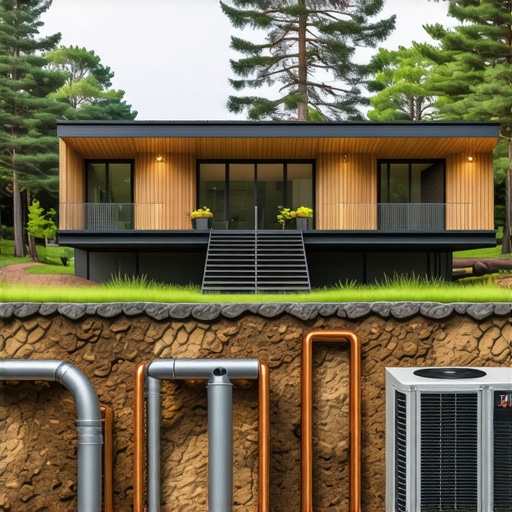
I’ve spent three decades crawling through spider-infested crawlspaces and balancing on ice-slicked rooftops, and I’ve seen every ‘miracle’ technology the industry has coughed up. But standing here in early 2026, we are at a crossroads that most homeowners aren’t ready for. The transition to A2L refrigerants like R-454B and R-32 has turned the supply chain into a minefield of expensive sensors and ‘mildly flammable’ warnings. While the sales techs are out there pushing the latest hyper-heat heat pumps as the end-all solution for the North’s polar vortexes, those of us who actually know how to read a manifold gauge see the truth. Air-source technology, even with the fancy vapor injection, is still fighting the laws of physics. Geothermal, or ground-source, isn’t just an alternative anymore; it’s the only way to opt-out of the madness of fluctuating ambient temperatures and skyrocketing electricity rates.
“The most expensive equipment in the world cannot overcome a bad duct system.” – Industry Axiom
My old mentor, a grizzly guy who could smell a burnt contactor from the driveway, used to scream at me, ‘Kid, you can’t move heat if the medium is frozen solid!’ He was talking about the futility of trying to extract thermal energy from -10°F air when the ground six feet under is a constant, reliable 55°F. That physics lesson stuck. It’s why I tell people that if you want IAQ improvement services and real comfort, you stop looking at the sky and start looking at the dirt. In 2026, the gap between air-source and geothermal has widened into a canyon. Here is why ground-source is the king of the mountain.
1. The Thermal Battery: Ground Stability vs. Air Volatility
Air-source heat pumps are at the mercy of the weather. When the thermometer dips, the unit has to work twice as hard to squeeze BTUs out of the freezing atmosphere. This is where Thermodynamic Zooming comes into play. In a heating cycle, your evaporator coil (the outdoor unit in winter) must stay significantly colder than the ambient air to absorb heat. When it’s -5°F outside, that coil is screaming. It builds up frost, triggers a defrost cycle, and essentially turns into a giant toaster oven—using expensive backup heat strips to melt ice rather than heating your home. Geothermal systems don’t have this ‘frost fight.’ They pull from a stable ground loop. We’re talking about a COP (Coefficient of Performance) that stays at a 4.0 or 5.0 regardless of the blizzard outside. While the neighbor’s air-source unit is performing its best impression of a dying jet engine, the geo system is quietly sipping energy from the earth’s crust.
2. The A2L Refrigerant Lifecycle and System Longevity
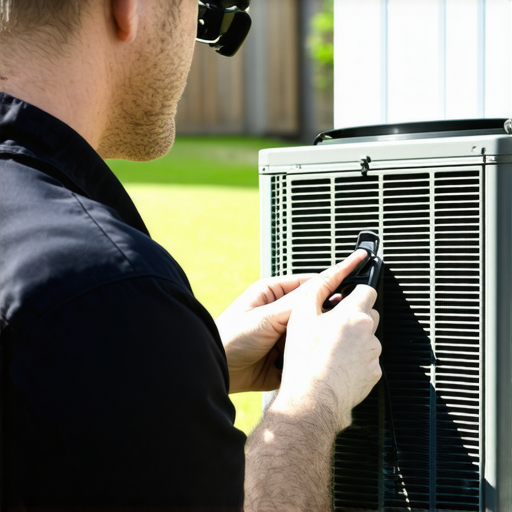
The new regulations have forced air-source manufacturers to use higher-pressure refrigerants that require sophisticated leak detection sensors in the indoor coils. More sensors mean more points of failure. An air-source condenser sits outside, getting hammered by salt, rain, and snow, which corrodes the aluminum fins and thrashes the contactor repair cycles. A geothermal unit? The entire refrigeration circuit—the compressor, the heat exchanger, the ‘gas’ (refrigerant)—lives inside the mechanical room. It’s protected from the elements. I’ve seen geothermal compressors last 25 years because they aren’t subjected to 110°F head pressures in the summer or sub-zero starts in the winter. If you’re looking for top HVAC repair strategies to extend your systems life, the best strategy is to keep the equipment out of the rain in the first place.
3. Mastering Latent Heat and IAQ
In the humid months, air-source units often ‘short cycle’ if they aren’t sized perfectly, especially the new oversized high-efficiency models. They drop the sensible heat (temperature) so fast that they fail to address the latent heat (humidity). You end up with a house that’s 70 degrees but feels like a damp basement. Geothermal systems, particularly when paired with airflow measurement services and proper duct design services, excel at long, low-stage run times. This allows the evaporator coil to stay below the dew point long enough to wring the moisture out of the air. When we combine this with HVAC duct sealing using ‘Pookie’ (mastic) to prevent attic air from infiltrating the stream, the IAQ improvement services results are night and day. You aren’t just cooling air; you’re conditioning a climate.
“Design conditions for heating and cooling loads shall be determined in accordance with the procedures described in the ASHRAE Handbook of Fundamentals.” – ASHRAE 90.1
4. Hydronic Integration: Spa and Pool Heating
One of the biggest scams in the industry is selling a homeowner a separate, inefficient gas heater for their pool or spa while they have a giant heat pump sitting ten feet away. Geothermal systems can be equipped with a desuperheater. This little heat exchanger takes the waste heat from the compressor and dumps it into your water heater or, more impressively, integrates with spa heater services and pool heater repair needs. Instead of venting that heat into the backyard, you’re using it to keep the hot tub at 102 degrees for pennies. Try doing that with a standard air-source unit without a massive, complex plumbing nightmare. For the homeowner looking at heat pump solutions for efficient home comfort in 2025 and beyond, the ability to heat your water with the same system that cools your bedroom is a financial ‘no-brainer.’
5. The Truth About Ductwork and Static Pressure
Most ‘Tin Knockers’ just slap together some flex duct and call it a day. But geothermal requires precision. Because these systems move a lot of BTUs, the airflow measurement services must be spot on. A geothermal system on a bad duct run will whistle like a tea kettle and kill the blower motor in three years. This is why we insist on a full duct design services audit before installation. We check the Total External Static Pressure (TESP) to ensure the ‘juice’ is flowing where it needs to go. We often find that air-source systems have been ‘limping along’ on undersized returns for years. When we switch to geo and fix the HVAC duct sealing, the homeowner finally realizes what real comfort feels like. It’s not just about the machine; it’s about the delivery. If you need help choosing the best heating service expert tips for 2025, look for the guy who carries a manometer, not just a screwdriver.
The Verdict from the Attic
Is geothermal more expensive upfront? You bet your life it is. But in 2026, with electricity prices climbing and the complexity of air-source units making a furnace tune-up services call look like a NASA mission, the ROI has never been shorter. You’re buying a 50-year ground loop and a 25-year machine. You’re avoiding the ‘Sales Tech’ who wants to replace your outdoor unit every eight years because the ‘coils are pitted.’ If you’re serious about your home’s infrastructure, stop looking at the shiny boxes in the big box stores. Look at the physics. For those in cold climates, even hyper-heat heat pumps can’t beat the steady, silent power of the earth. If your system is currently screaming or you’re tired of the sour smell of a struggling compressor, it might be time for a change. Check out our preventative heating maintenance guide or contact us to see if your lot is right for a loop. Stop paying for the air’s mood swings and start banking on the ground.
Reading this post really opened my eyes to the realities of switching to geothermal systems. Having worked on several residential HVAC setups, I can attest that the reliability of ground-source heat pumps is hard to beat, especially in climates with extreme temperatures. What I find fascinating is how the stability of the ground not only enhances efficiency but also extends the lifespan of the entire system, which is a huge selling point for homeowners looking for long-term value. I’m curious, though—how do you advise clients who are hesitant about the higher upfront costs? Are there effective ways to illustrate the long-term savings and durability of geothermal that really resonate during the sales process? I’ve noticed that emphasizing the lower maintenance costs and energy bills over time often helps, but I’d love to hear more strategies to make geothermal systems a more compelling choice for those on the fence.