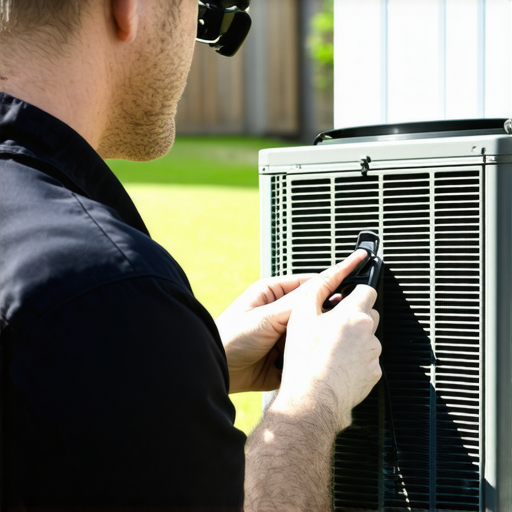
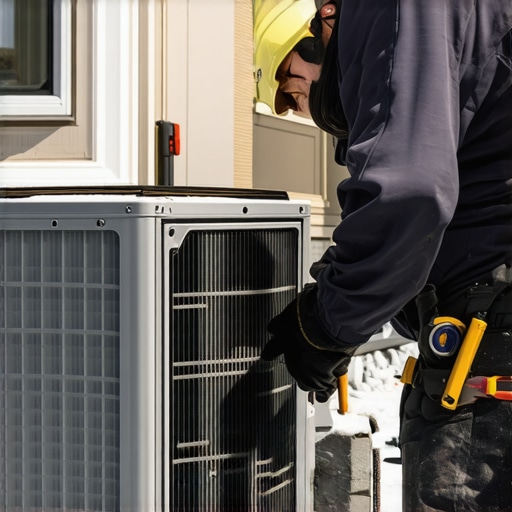
I remember the chilly evening when my heat pump decided to give out right before the coldest snap of the season. The frustration of bundled-up rooms and shivering family members was a stark reminder of how vital a well-maintained heating system really is. That moment was a real lightbulb for me—ignoring routine maintenance can turn a mild inconvenience into a cold disaster when you need warmth the most.
Why Proper Heat Pump Care Is More Crucial Than Ever
With winter approaching and temperatures dropping, ensuring your heat pump is ready to perform isn’t just about comfort—it’s about safety, efficiency, and peace of mind. A neglected system can lead to breakdowns when you least expect them, costing significant repairs and skyrocketing energy bills. The good news? A few proactive steps can keep your home warm, safe, and budget-friendly this season.
Research shows that regular maintenance can reduce energy costs by up to 30%, which means more warmth and less worry for homeowners (source: Eco HVAC Strategies for Winter 2024). But even with that knowledge, it’s easy to overlook simple tune-ups or forget critical checks until something goes wrong.
Have you faced that panicked feeling of cold air blowing through your vents because your heat pump stopped working unexpectedly? You’re not alone. Many homeowners learn the hard way that ignoring early signs of needed maintenance can lead to system failures during the coldest nights.
In today’s post, I’ll walk you through the top heat pump maintenance & repair tips for winter 2024. These strategies have helped me and countless others stay warm and save money, and I’m confident they’ll do the same for you.
Start with a thorough visual inspection
Before diving into mechanical checks, examine your heat pump’s exterior for debris, ice buildup, or damage. I once found a layer of snow obstructing the outdoor unit’s airflow, which reduced efficiency. Clearing this off ensured the unit performed optimally. Think of it like cleaning your stove before cooking—if you don’t, the flames struggle to burn right.
Replace or clean filters regularly
Clogged filters are like trying to breathe through a straw — they choke efficiency and strain your system. I replaced my filters every month during winter, which kept airflow smooth. Use a recommendation from preventative maintenance guides to select the right filters and avoid unnecessary wear.
Check refrigerant levels and leaks
Refrigerant is the lifeblood of your heat pump, much like blood in your veins. Low levels mean the system can’t transfer heat effectively. I once noticed my system taking longer to heat rooms—turns out a small leak was draining refrigerant. Using a gauge (or calling a professional if unsure), monitor levels regularly. Think of it like ensuring your car has enough oil — critical for performance.
Inspect ductwork for leaks and blockages
Leaky ducts are akin to holes in a swimming pool—they let warm air escape, wasting energy and money. I once sealed a leak myself with foil tape, which significantly improved system efficiency. Use a multipurpose sealant designed for ducts and always check for obstructions like nests or dust buildup that can impede airflow.
Test the thermostat accuracy
Your thermostat is the system’s brain, dictating when to heat. A faulty one can cause uneven warmth or excessive energy use. I calibrated my thermostat using a separate temperature sensor, ensuring it matched actual room temperature. Consider upgrading to a smart thermostat for better control—it’s like giving your system a brain boost, helping it adapt to your habits for optimal performance.
Schedule professional maintenance before the cold hits
While DIY steps are vital, professional tune-ups catch issues you might miss. I booked an HVAC technician for a full service last year, including coil cleaning and system diagnostics, which prevented a midwinter breakdown. Experts can also handle refrigerant recharge, complex electrical checks, and system calibration—think of it as a health check-up for your heat pump to keep it in top shape for the cold months.
Maintain outdoor unit clear of obstructions
Ensure a clear radius around the outdoor unit, free from leaves, plants, or snow. I regularly raked leaves away, which improved airflow and prevented overheating. Consider placing a guard or cover during heavy snowfalls to protect the unit from ice damage—it’s like giving your system a cozy hat against winter weather.
Monitor system performance throughout winter
Stay alert to changes like strange noises, reduced heat output, or increased energy bills. When I noticed my system making rattling sounds, I promptly scheduled repairs, avoiding major damage. Regularly checking performance acts like a dashboard warning, helping you address small problems before they escalate.
Implementing these steps will turn your heat pump into a winter-warrior, ensuring comfort and safety. Incorporate insights from expert maintenance tips to stay ahead of seasonal challenges and keep your system humming smoothly all winter long.
Many homeowners believe that heating systems are largely maintenance-free or that routine inspections aren’t necessary until problems arise. This misconception can lead to costly breakdowns and inefficient operation. In reality, understanding the nuanced aspects of HVAC maintenance reveals that proactive, detailed care is essential for longevity and optimal performance. For instance, some assume that changing filters annually suffices, but expert advice suggests monthly replacement during peak usage seasons to prevent airflow restrictions and component strain. Additionally, a common myth is that refrigerant levels only require attention when noticeable issues occur. However, low refrigerant, often caused by tiny leaks, can silently diminish system efficiency and cause long-term damage if not detected early—something a trained professional can identify during routine checks, as emphasized in top repair strategies.
Are There Advanced Signs Your Heating System Needs Professional Attention?
Sometimes, the most critical issues are buried beneath surface symptoms. Unusual odors, persistent short cycling, or increased energy bills without apparent cause might indicate deeper problems, such as duct leaks or electrical faults. Advanced diagnostics—beyond what homeowners can assess—are vital for catching these hidden risks early, aligning with recommendations from expert repair insights. Neglecting these nuances often results in decreased system lifespan and soaring utility costs, contradicting the myth that DIY fixes are sufficient. Remember, regular professional check-ups serve as an investment in your home’s comfort and safety.
In essence, the complexity of heating systems demands a nuanced approach that marries routine DIY tasks with expert interventions. This balance ensures efficiency, saves money, and prolongs system life—cornerstones covered extensively in my cornerstone articles and related guides. Have you ever fallen into this trap? Let me know in the comments.
Tools I Recommend for Reliable Heating Maintenance
Staying ahead of potential heating issues requires the right equipment. I personally rely on a digital refrigerant gauge to monitor refrigerant levels accurately. This device allows me to detect subtle leaks early, preventing efficiency drops and costly repairs. It’s inexpensive, portable, and offers immediate feedback, making it an essential tool in my winter maintenance kit. For checking airflow, a digital anemometer helps me assess duct performance and identify leaks or blockages. I always combine these with a high-quality multimeter to verify electrical connections and component functionality, ensuring my system operates safely and efficiently. These tools combined give me a deep insight into my HVAC system’s health, much like a doctor’s diagnostic kit—empowering me to intervene before problems escalate.
Regular use of these diagnostic tools enhances not only system longevity but also energy efficiency, translating into long-term savings. I schedule weekly checks during peak season, focusing on refrigerant levels, airflow, and electrical health. This proactive approach minimizes emergency repairs, especially during winter when system failure can be critical. Incorporating these professional-grade devices into your routine might seem technical at first, but with just a bit of practice, they become valuable assets for any homeowner committed to maintaining reliability. For more detailed guidance on heat pump care, consider referring to resources like this comprehensive heat pump guide.
Mastering Long-Term Maintenance Strategies
Maintaining your heating system isn’t a one-time effort; it’s a continuous process. I recommend establishing a seasonal maintenance schedule aligned with manufacturer guidelines and expert advice. This includes regular filter replacements, coil cleaning, and electrical inspections. To streamline this, I use scheduling software that sends reminders and logs each maintenance activity, ensuring consistency. For deeper diagnostics, annual professional inspections are crucial—they uncover issues you might miss. Investing in high-quality, durable tools like infrared thermometers helps me spot uneven heating or cold spots, indicating potential component failures. As systems become more complex, embracing new technologies like smart thermostats and diagnostic apps can further optimize performance and maintenance routines.
In the future, I predict an increased convergence of IoT devices and AI-driven diagnostics, enabling homeowners to monitor system health remotely and receive automated alerts. Staying ahead involves adopting these innovations early; for example, integrating a smart thermostat with diagnostic capabilities can provide real-time performance insights and predictive maintenance alerts. Try setting up one of these advanced tools yourself—it’s easier than it sounds and can save you both time and money, keeping your home warm and worry-free all winter. For more tips on selecting the best services and tools, visit this expert guide.Over the years, I’ve faced countless surprises, from unexpected refrigerant leaks to stubborn duct blockages, teaching me invaluable lessons about maintaining heat pumps effectively. One of the most profound realizations was how crucial consistent inspections are—ignoring small issues like a minor ice buildup or a flickering thermostat can snowball into costly repairs. Patience and attention to detail have been my best tools, helping me catch problems early and save money. I also learned that the quality of tools makes a significant difference; investing in a good refrigerant gauge or digital thermometer provides insights that DIY guides can’t match, giving me confidence when tackling repairs. Lastly, I’ve discovered that connecting with trusted professionals for annual tune-ups isn’t a sign of weakness but a smart strategy—no matter how skilled I become, some tasks require expert eyes, especially refrigerant handling and electrical diagnostics. Embracing these lessons has transformed my approach to heat pump care, ensuring reliable warmth throughout the cold months.