I remember the chilling realization hitting me in the middle of a freezing night—the heater had just stopped working. The relentless cold seeped through every window and crack, turning my cozy home into an arctic nightmare. That lightbulb moment taught me a hard lesson: neglecting proper heating maintenance isn’t just uncomfortable, it’s risky.
Since then, I’ve learned that a little proactive effort can make all the difference in staying warm and safe during those frigid months. Today, I want to share practical strategies that can save you from similar sleepless, shivering nights. Whether you own a heat pump, furnace, or boiler, understanding effective maintenance is the key to reliable winter warmth.
Preventative heating maintenance isn’t just a good idea—it’s essential. Studies show that neglecting regular upkeep can increase heating system failures by up to 30%, leaving you unprepared when you need warmth the most. So, if you’ve ever faced a sudden breakdown or wondered why your heating bill skyrocketed unexpectedly, you’re not alone.
But where do you begin? How do you ensure your system runs smoothly through the coldest days? That’s exactly what I’ll cover below. First, let’s answer a common question many homeowners have—because I’ve been there myself.
Inspect your filters and vents
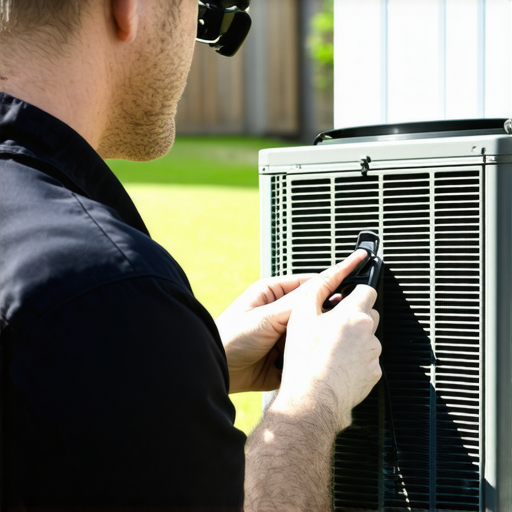
Start by turning off your system and removing filters. Clean or replace them to ensure unrestricted airflow, which is vital for efficiency. For instance, I once neglected this step, and my heater struggled to heat my home, leading to higher energy bills. Regularly checking these filters can prevent such issues.
Examine and clean the heat exchanger
Use a flashlight to inspect your heat exchanger for signs of soot or corrosion. A dirty exchanger reduces heating efficiency and can be a safety hazard. I once saw thick soot buildup during a routine check, which I cleaned with a brush, restoring proper function. This process is akin to cleaning a clogged air filter—it prevents blockages that hinder performance.
Check the thermostat setting and calibration
Ensure your thermostat is correctly calibrated and set to your preferred temperature. If it’s outdated or malfunctioning, consider upgrading to a smart thermostat for better control. I replaced my old thermostat with a programmable one, which helped maintain consistent warmth and reduced costs.
Test the system’s operation
Switch on the heating system and listen for unusual noises or irregular operation. Observe whether the system ignites properly and maintains temperature. During a test, I noticed my furnace short cycling, indicating a worn-out component that needed replacement. Proper testing can catch these issues early.
Inspect ductwork and vents
Look for leaks, blockages, or dust buildup. Sealing leaks with mastic tape and cleaning vents optimizes airflow and saves energy. I personally sealed a significant leak in my ductwork, which improved heating consistency significantly. Think of duct sealing as opening a door wider—more warm air reaches every room.
Schedule professional maintenance
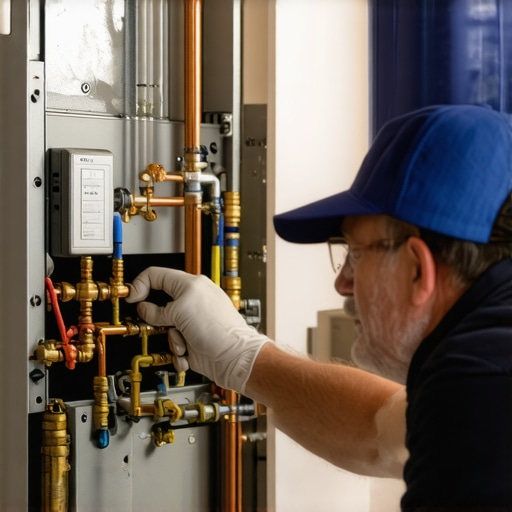
Engage a qualified HVAC technician for a comprehensive tune-up annually. Professionals can perform thorough inspections, check refrigerant levels if applicable, and ensure safe operation. I once scheduled a check, and the technician identified a failing fan motor before complete breakdown, saving me from costly repairs. Regular professional maintenance is like backing up your system’s health—you ensure reliability when it matters most.
Set up a maintenance schedule and document it
Create a calendar for routine checks—filter replacements every 1-3 months, annual inspections, and cleaning tasks. Keeping a maintenance log helps track service dates and parts replaced. I kept a simple spreadsheet, which made upcoming tasks straightforward and prevented neglect. Consistency in maintenance is the key to long-lasting performance.
By following these concrete steps, you’ll keep your system operating efficiently throughout winter. Remember, proactive maintenance not only extends the lifespan of your equipment but also ensures your home stays warm and safe during the coldest months. For more in-depth strategies, check out preventative heating maintenance.
Many homeowners operate under misconceptions about heat pumps and HVAC maintenance, often leading to costly mistakes. One prevalent myth is that neglecting regular filter changes won’t impact system performance; however, seasoned professionals know that dirty filters reduce airflow, strain components, and can cause premature failure. Additionally, while some believe that DIY repairs are sufficient for most issues, the reality is that complex diagnostics require trained technicians who understand the intricate interactions within these systems. Overlooking routine inspections can result in small issues escalating into major failures, especially during peak cold months, when system reliability is critical.
What advanced signs indicate that your heat pump needs professional attention before failure?
In my experience, subtle indicators like unusual refrigerant noise, inconsistent warming, or short cycling often point to underlying problems such as refrigerant leaks or compressor issues—problems that common home troubleshooting often misses. Recognizing these signs early can prevent costly repairs and extend your equipment’s lifespan. Experts agree that proactive maintenance, including detailed component checks and system diagnostics, significantly reduces emergency breakdowns and improves efficiency. According to a study by the Department of Energy, proper maintenance can improve a heat pump’s efficiency by up to 25%, saving money and energy over time. Meanwhile, some homeowners fall into the trap of assuming that if their system works for now, it doesn’t need attention. But small inefficiencies and minor component wear, if left unchecked, can cause major disruptions when you least expect them.
For those serious about optimizing their HVAC systems, prioritizing professional inspections and comprehensive servicing is essential. In fact, choosing the right heating service can make a significant difference—guidance on selecting qualified experts can be found here. Remember, understanding these nuances ensures you’re not just reacting to failures but preventing them—keeping your home warm, safe, and energy-efficient all winter long. Have you ever fallen into this trap? Let me know in the comments.
Invest in the Right Tools for Maintenance and Repair
Over the years, I’ve found that having specialized tools saves you time and ensures accuracy when maintaining your heating systems. For example, a digital manifold gauge set has become indispensable for me. It allows precise measurement of refrigerant pressure, helping me identify leaks or charge imbalances early. Personally, I rely on the Expert Heat Pump Heating Service Tips to understand the proper pressure ranges and diagnostic procedures.
Use Software to Track System Performance
Today’s technology offers user-friendly HVAC monitoring apps, like Hygrometrix, that help me keep tabs on my system’s efficiency. These apps record energy consumption, temperature consistency, and usage patterns, making it easier to spot anomalies before they become costly repairs. I’ve set up alerts on my smartphone, so if my heat pump’s performance dips below a certain threshold, I get notified immediately. This proactive approach reduces unexpected breakdowns and prolongs system lifespan.
Implement Routine Checks with Professional Advice
While DIY inspections are excellent, pairing them with annual professional tune-ups is vital. Professionals can perform detailed diagnostics using diagnostic tools like combustion analyzers and refrigerant leak detectors, which aren’t practical for homeowners. For instance, my HVAC technician used a leak detector and found refrigerant escape early, avoiding potential system failure. To keep systems optimal, I schedule these annual inspections through trusted experts—more details about choosing the right heating service professionals.
Predicting Future Maintenance Trends
As smart home integrations advance, I predict a growing trend towards fully automated HVAC health monitoring, integrating IoT sensors for real-time diagnostics. This could enable even more proactive maintenance, minimizing downtime and optimizing energy efficiency. Staying ahead means embracing these new technologies now, for example, by installing smart thermostats compatible with maintenance apps, which can flag issues automatically.
How do I maintain heat pump and HVAC efficiency over time?
The key lies in consistent, data-driven maintenance using the right tools. Regularly checking and calibrating your systems, leveraging monitoring software, and partnering with skilled technicians amplify the longevity and reliability of your equipment. By doing so, you can significantly reduce emergency repairs and enjoy reliable warmth throughout winter. I encourage you to try out a diagnostic app or invest in a digital manifold gauge set—they’re game-changers. Need help selecting the best tools? Reach out to experts or visit our contact page for guidance.
Why I Nearly Overlooked the Power of Small Checks
One of my toughest lessons was realizing that tiny dust buildup or a slightly loose duct connection could snowball into a major breakdown during the coldest night. It taught me that consistent attention to minor details, like sealing leaks or cleaning filters, has an outsized impact on system reliability. Embracing these small but crucial steps transformed my approach and keeps my system humming smoothly.
How Personal Experience Shaped My Best Advice
I used to rely solely on professional tune-ups, but over time, I learned that pairing expert inspections with regular DIY checks created a perfect safety net. My tip? Keep a maintenance journal and stay proactive. This routine has prevented countless emergencies and prolonged my equipment’s lifespan—saving money and energy in the long run. Learn more about effective maintenance routines in our comprehensive guide.
What No One Tells You About System Efficiency and Longevity
It’s not just about fixing problems as they arise. I’ve discovered that early signs like inconsistent airflow or odd noises often warn of underlying issues, like refrigerant leaks or sensor failures, that can be caught early with attentive monitoring. Investing in smart tools and training myself to recognize these cues has made a significant difference. For trusted tools and detailed strategies, check out our expert tips.
My Top Resources for a Warm Winter Without Worry
Over the years, I’ve curated a set of go-to tools and references that keep my system in top shape: 1. A digital manifold gauge for precise diagnostics—because trust me, guessing is not an option. 2. HVAC performance monitoring apps like Hygrometrix, which provide real-time alerts. 3. Reliable service providers recommended through extensive research and reviews. 4. Our own in-depth guide on choosing the right heating professionals ensures I always get expert support when needed.
Take Action and Embrace the Comfort You Deserve
The key to a worry-free winter is adopting a proactive mindset about HVAC maintenance. Embrace the routine, invest in quality tools, and don’t hesitate to consult professionals. Remember, your home’s comfort depends on your dedication—so why not start today? What’s the smallest maintenance step you’ve been neglecting that could save you from a cold surprise? Share your experience below and let’s learn together.
,