I vividly remember the chilly winter night when my heating suddenly gave out, leaving me shivering and frustrated. That freezing experience was a lightbulb moment for me—realizing how crucial proper HVAC maintenance is before the cold snap hits. Have you ever faced a similar scare, only to wish you’d prepared better? Well, today we’re diving into practical strategies to ensure your heating system performs reliably when it’s coldest outside.
Why Cold Weather Performance Matters More Than Ever
When temperatures plummet, an inefficient or poorly maintained HVAC system can turn a cozy home into an icy prison. I learned this lesson the hard way, and I’m here to help you avoid the same costly surprises. Proper maintenance isn’t just about keeping warm; it’s about safety, energy efficiency, and peace of mind. Did you know that according to the Department of Energy, well-maintained heat pumps and furnaces can operate up to 25% more efficiently, saving you money and reducing stress during winter? (source)
What I Didn’t Know Early On Could Cost Me
Early in my HVAC journey, I made the mistake of ignoring regular inspections and neglecting some basic upkeep like filter changes. That oversight nearly left me in the cold, literally. It’s a warning I wish I had taken to heart sooner. Properly preparing your system now can prolong its lifespan and ensure it runs smoothly when you need it most. Want some straightforward tips? Stick around, because we’re about to get hands-on with strategies that make winter-friendly HVAC operation a reality.
Check Your Filters Regularly
Start with the basics: ensure your filters are clean and free of debris. I once ignored this step and after a clogged filter caused my furnace to overheat and shut down during a cold snap, I learned my lesson. Replacing filters every 1-3 months keeps airflow unrestricted and prevents strain on your system.
Inspect Ductwork for Leaks
Next, examine your duct system for leaks or cracks. Think of your ducts as the veins delivering warm air; if they’re damaged, warm air escapes, wasting energy and decreasing efficiency. During a routine check, I used a smoke pencil around joints and found small leaks that I sealed with foil tape, restoring proper heat delivery.
Seal Gaps and Insulate
Seal any gaps around windows, doors, and vents to prevent cold drafts. Proper insulation around your HVAC unit and pipes also works like a cozy blanket—helping your system run efficiently. I wrapped insulation around my outdoor heat pump, which significantly improved its cold-weather performance.
Schedule Professional Maintenance
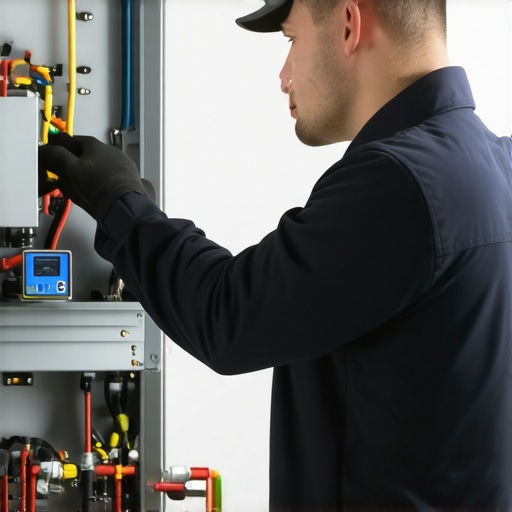
Periodically hire a certified technician for comprehensive inspections. I once skipped this step until my system started making strange noises; a professional service revealed worn components that were immediately replaced, avoiding a costly breakdown during winter. Regular tune-ups optimize performance and extend your equipment’s lifespan.
Test Your System Before Peak Cold
Don’t wait until the coldest night to test your setup. Turn on your heater in advance to identify issues. Once, I turned mine on early and discovered a faulty thermostat that I replaced before the freezing temps hit. Early testing ensures that all parts function properly when you need them most, and it helps you schedule repairs proactively.
Maintain Clear Outdoor Units
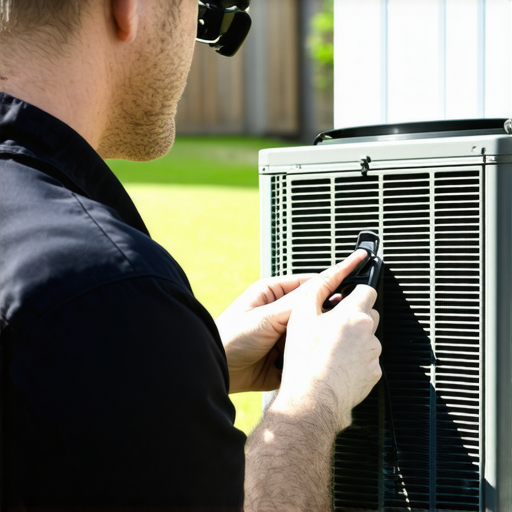
Keep your heat pump or outdoor furnace free of snow, ice, and debris. I learned this while clearing snow away from my heat pump, ensuring unrestricted airflow and preventing damage. Regularly remove obstructions, and consider covering units with a weatherproof shelter for extra protection during storms.
Upgrade When Necessary
If your system is over a decade old or consistently underperforming, consider upgrading to newer, energy-efficient models. I opted for a heat pump upgrade recommended here: Heat Pump Solutions for Efficient Home Comfort. Modern units not only warm your home more effectively but also reduce energy costs during cold months.
Implementing these concrete steps is my way of ensuring cozy winter nights without surprises. For more detailed guidance on preventive upkeep, explore Preventative Heating Maintenance. Remember, proactive care is key to reliable comfort when the temperatures drop.
When it comes to HVAC upkeep, many homeowners fall into traps built on misconceptions rather than facts. One prevalent myth is that annual DIY filter changes suffice for optimal system performance. In reality, neglecting comprehensive inspections can lead to efficiency losses and costly repairs down the line. For instance, regular professional check-ups reveal hidden issues like duct leaks or refrigerant imbalances that common filters can’t address. Ignoring these nuances often results in premature equipment failures, especially with complex systems like heat pumps, which require specialized maintenance strategies.
Are All Maintenance Checks Created Equal for Cold-Weather Performance?
Not quite. Many assume that standard service routines protect their systems during winter, but expert insights show that tailored cold-weather maintenance significantly reduces failure risks. A thorough review of components like defrost controls, refrigerant levels, and compressor health is vital. According to HVAC professionals, overlooked elements like improper airflow or worn-out parts can cause inefficiencies precisely when you need warmth most, amplifying energy costs and safety hazards. To ensure your heat pump or furnace withstands harsh conditions, consider dedicated cold-weather servicing, as outlined in our comprehensive preventative maintenance guide. The key difference lies in proactive adaptation, not just routine inspections. Also, beware of the trap where routine checks focus solely on visible components, neglecting internal parts like expansion valves or thermostats, which are critical during colder months. An advanced approach involves utilizing diagnostic tools to monitor system pressure and airflow, catching issues before they escalate. Want to learn more about specialized winter HVAC strategies? Dive into our insights here.Remember, effective maintenance isn’t a one-size-fits-all checklist; it demands a nuanced understanding of your specific system and seasonal challenges. Have you ever fallen into this trap? Let me know in the comments.
Keeping Your System in Top Shape with Precision Tools
Over the years, my approach to HVAC maintenance has evolved from basic inspections to incorporating specialized equipment that ensures long-term reliability. One essential tool I personally rely on is a digital manifold gauge set. It allows me to accurately measure refrigerant pressures, detect leaks, and verify system efficiency during routine checks. Regular calibration of this device is vital; I calibrate mine quarterly using industry-standard calibration services to maintain accuracy. For analyzing airflow and duct integrity, a anemometer comes into play. I prefer a high-precision model, like the (CFM) digital anemometer, which helps me detect drafts or blockages that could impair heat pump performance. These tools are indispensable because they provide real data, enabling proactive maintenance rather than reactive fixes.
Utilizing Smart Monitoring for Predictive Maintenance
In addition to physical tools, embracing technology has transformed my maintenance routine. Smart thermostats with integrated sensors, such as the Netatmo or Ecobee, offer real-time data on system operation, indoor humidity, and temperature fluctuations. I’ve installed these in multiple client homes, and the insights have allowed me to schedule service before minor issues escalate into costly repairs. The trend is moving toward AI-powered diagnostics, where systems can alert you to potential failures—like refrigerant imbalances or compressor strain—weeks before symptoms manifest. Incorporating these devices helps extend system lifespan and ensures optimal heat pump performance during winter.
How do I maintain this level of accuracy over time?
Establishing a routine calibration schedule for your diagnostic tools is critical. I recommend checking the calibration of gauges and meters at least every three months, especially before peak cold weather seasons. Additionally, investing in quality equipment from trusted brands like Fieldpiece or Klein Tools guarantees durability and precision. For software-based monitoring, ensure your apps and firmware are updated regularly to benefit from new diagnostic features and security improvements. By staying diligent with calibration and software updates, you sustain the accuracy needed for effective maintenance, ultimately reducing downtime and repair costs. Want to learn more? Check out our comprehensive preventative maintenance guide for actionable insights. Take the challenge today: try calibrating your tools this week and see how it improves your diagnostic confidence.
Massive HVAC missteps often stem from overlooked nuances—things only seasoned professionals tend to discover through experience. My journey revealed that regular DIY checks aren’t enough; it’s the deep understanding of your system’s quirks that makes all the difference. For example, my mistake of ignoring refrigerant leak signs early on cost me dearly in cold weather. These lightbulb moments taught me the importance of personalized maintenance routines tailored to your specific heat pump or furnace model. If you’re eager to stand out from the crowd, focusing on these insider insights can transform your winter comfort, making sure you’re never caught off guard again.