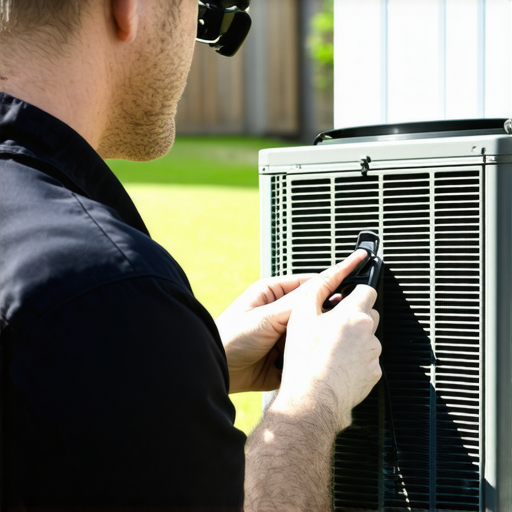
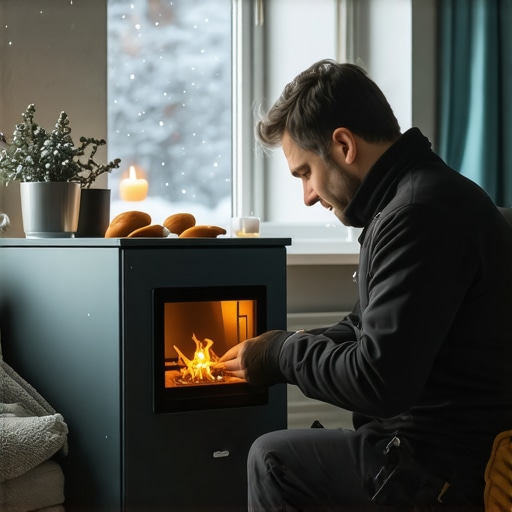
One chilly November evening, I remember curling up on my couch, only to realize my heating system was struggling to keep up. The heater was making peculiar noises, and I could feel cold spots creeping through my home. That moment was a lightbulb going off—I had neglected basic maintenance and overlooked early warning signs. Since then, I’ve learned the hard way how crucial it is to be proactive about heating care, especially before winter’s chill sets in.
Why Proper Heating Maintenance Matters More Than Ever
When temperatures drop, a reliable heating system isn’t just a comfort—it’s a safety concern. According to the U.S. Consumer Product Safety Commission, heating equipment is a leading cause of home fires during winter months. That fact hit home for me, reminding me why I needed to get serious about the little things that ensure my family stays warm and safe.
Whether you’re using a traditional furnace or a heat pump, neglecting regular checks can lead to system failures right when you need them most. From clogged filters to faulty thermostats, these small issues can snowball quickly, leaving you cold and vulnerable. Luckily, many problems can be prevented with simple maintenance routines and expert tips that I’ve gathered over years of experience.
Is Ignoring Maintenance Really That Dangerous?
I used to think that as long as my heater turned on, I was good. That was a mistake. I recall a time I ignored that strange smell emitting from the vents—turns out, it was a gas leak! Early on, I made the mistake of skipping annual inspections, which could have caught the problem sooner. Trust me, a small oversight can turn into a costly emergency. For reliable advice, check out professional tips on [top HVAC repair strategies](https://ecohvacservicez.com/top-hvac-repair-strategies-to-extend-your-systems-life).
Do you remember a time when your heater let you down unexpectedly? If so, you’re not alone. But understanding and implementing proper heating service tips can make all the difference in avoiding those frigid surprises. Now, let’s explore how to get your heater winter-ready before the cold really hits.
Inspect Your Filters and Vents
Start by turning off your heating system and removing the filters. Examine them for dust, mold, or debris. If dirty, replace or thoroughly clean them. Clearing out dust from vents and registers ensures unobstructed airflow. Remember, clogged filters force your system to work harder, increasing wear and lowering efficiency. During my last maintenance, I discovered thick dust buildup that, once cleaned, improved my heater’s responsiveness significantly. For detailed guidance, visit expert heat pump maintenance tips.
Check and Test Thermostat Settings
Set your thermostat to a comfortable temperature and verify if the system activates appropriately. If your thermostat is old or unresponsive, consider replacing it. Think of your thermostat as the brain of your heating system—an unreliable brain leads to inconsistent warmth. I once replaced an outdated thermostat that was sending false signals, which resulted in my heater turning on at odd times. After upgrading, my system ran smoothly, saving energy and reducing my bills. For selecting the right thermostat, see expert tips on choosing heating service.
Schedule a Professional Inspection
Arrange for a certified technician to conduct a thorough inspection of your heating unit. They will check for leaks, worn parts, and airflow issues. Consider this akin to a health check-up for your system—catching problems early prevents emergencies during the coldest days. I once called a professional last minute, and they diagnosed a minor leak that could have led to a dangerous gas buildup if left unnoticed. Regular inspections also prolong your system’s lifespan. For trusted assistance, contact the experts via this link.
Clean and Lubricate Moving Components
Ensure moving parts, such as motors and fans, are free of dust and debris. Use a soft cloth to wipe components and apply lubricant if specified by your system’s manufacturer. This step is like oiling the hinges of a door; it keeps everything moving smoothly without squeaks or extra strain. I once neglected this, and my blower motor burned out prematurely. After cleaning and lubricating, my system ran quieter and more efficiently. To get professional help, see expert maintenance tips.
Test Safety Features and Emergency Shut-offs
Verify that all safety controls are functioning properly by activating features such as the limit switch and carbon monoxide detectors. Consider these the security guards of your system—if they fail, danger follows. I tested my system’s safety controls during a routine check and found a faulty sensor. Replacing it prevented potential hazards, like gas leaks or fire risks. For more safety tips, browse safety-focused heating advice.
Monitor System Performance During a Test Run
Turn on your heater and observe its operation over 15-20 minutes. Listen for unusual noises and check for uneven heating or cold spots. This trial run acts like a trial flight—spotting issues early allows for repairs before the harsh weather arrives. I caught a strange rattling noise that turned out to be a loose fan blade. Tightening it restored quiet operation and avoided a future breakdown. For troubleshooting tips, visit system extension strategies.
Document and Schedule Regular Maintenance
Keep a maintenance log noting all inspections, repairs, and part replacements. Schedule annual professional check-ups to ensure your system stays in peak condition. Think of this as your vehicle’s service record—valuable for diagnostics and resale. I set reminders for annual tune-ups that extended my system’s optimal performance. For top maintenance practices, explore preventative heating maintenance guide.
Following these concrete steps makes your heating system more reliable and efficient, ensuring a warm winter without surprise breakdowns.
Many homeowners assume that HVAC systems are straightforward, leading to a common misconception: that as long as the heater turns on, everything is fine. In reality, this overlooks crucial nuances that can significantly impact system longevity and efficiency. For instance, there’s a widespread belief that regular inspections aren’t necessary unless there’s a blatant problem. But professional experts understand that many issues develop silently, often causing more harm over time if left unchecked. Regular preventive maintenance, including detailed diagnostics, can catch these hidden faults early, saving you money and headaches later.
What’s Behind the Myth of ‘Just Turn It On’?
The idea that light usage indicates health is a trap. Systems can appear fine operationally but harbor underlying issues like refrigerant leaks or worn-out components—problems that compromise safety and efficiency. Relying solely on system startup as a health indicator is risky. A study published by the National Renewable Energy Laboratory emphasizes that routine professional check-ups can improve HVAC performance by up to 30%, highlighting the importance of proactive care.
Another misconception is that heat pumps are only effective in mild climates. While many believe they struggle in cold weather, modern heat pump technology is advancing rapidly. With proper maintenance and expert support, heat pumps can provide reliable warmth even in freezing conditions. To optimize your heat pump’s performance, consider professional inspections from trusted heating service providers. They specialize in diagnosing subtle inefficiencies that can cause bigger problems during winter.
Have you ever fallen into this trap of neglecting small signs or assuming certain systems can’t perform well in your climate? Let me know in the comments.
Remember, understanding these hidden nuances and myths is key to maximizing your HVAC investment. Regular maintenance isn’t just an expense—it’s a safeguard against costly emergencies and comfort disruptions. For tailored advice, don’t hesitate to contact professionals who can provide detailed assessments and reliable solutions, ensuring your home stays warm and safe year-round.
Investing in Quality Tools for HVAC Longevity
When it comes to maintaining your heating system effectively, having the right tools at hand can make all the difference. I personally rely on a digital multimeter calibrated for HVAC systems, which allows me to quickly test electrical components such as thermostats and relays with precision. A non-contact voltage tester is indispensable to verify live circuits safely before working on any wiring, preventing accidents and ensuring safety. For cleaning and lubricating parts, I use a soft-bristled brush and high-grade silicone spray, which I find thoroughly clean components without causing damage. Investing in these tools not only saves time but also ensures accurate diagnostics, prolonging your system’s lifespan.
Adopting Systematic Maintenance Routines
Beyond tools, establishing a routine schedule for maintenance is crucial. I recommend setting quarterly inspections, especially before the peak heating season, to catch potential issues early. During these checks, inspecting ductwork for leaks, testing safety controls, and verifying system performance can prevent costly breakdowns. Incorporating advanced diagnostics like thermographic cameras can spot insulation lapses or heat loss around your system, which often go unnoticed to the naked eye. As technology advances, remote monitoring software is emerging as a game-changer—allowing homeowners and professionals alike to track system performance remotely, alerting you to anomalies in real-time. This proactive approach aligns with the trend toward smarter homes and is vital for long-term efficiency.
How do I maintain my HVAC system over time?
To keep your heating system running smoothly year after year, focus on regular filter replacements, scheduled professional inspections, and staying updated on the latest maintenance techniques. For example, incorporating professional heat pump maintenance like what’s outlined in expert maintenance tips can significantly enhance performance and extend system lifespan. In my experience, pairing routine upkeep with the use of diagnostic tools such as refrigerant leak detectors has prevented many emergency repairs. As we move into 2025, expect AI-driven diagnostics and predictive maintenance algorithms to further revolutionize how we care for our HVAC systems—allowing for even more precise and preventative care. I encourage you to try integrating a smart diagnostic tool into your maintenance routine to stay ahead of potential problems and ensure reliable heating during cold months.
What I Wish I Knew Before Overlooking My Heater
I realized too late that ignoring small signs of wear could lead to costly repairs. The biggest lesson was understanding that regular check-ups are an investment, not an expense, saving me money and stress in the long run. Trusting professionals and learning from their insights transformed my approach to home comfort, proving that proactive maintenance is the key to lasting warmth.
Resources That Changed My Heating Game
Personally, I rely on expert heat pump maintenance tips because they’re practical and easy to implement. The book HVAC Reliability gave me a deeper understanding of system longevity. Using diagnostic tools like refrigerant leak detectors has been a game-changer. Lastly, following trusted online resources ensures I stay up-to-date on the latest maintenance strategies, making my home safer and more efficient.
Keep the Warmth Alive: My Final Push
Don’t let winter catch you off guard—embrace regular maintenance and expert advice to ensure your heating system performs at its best. Remember, a well-maintained heater isn’t just about comfort; it’s about safety and peace of mind. Take action today, so you can enjoy a cozy, worry-free season ahead.
What has been your biggest lesson learned about maintaining your heating system? Share your story below—I’d love to hear your experiences!
.
Reading through this comprehensive guide really hits home for me. I remember last winter, I ignored some peculiar noises coming from my furnace, thinking it was just normal wear and tear. Turns out, neglecting a small, seemingly insignificant squeak led to a major breakdown during the coldest night, leaving my family freezing until emergency repairs were done. Since then, I’ve realized that proactive maintenance truly pays off, especially before winter hits. I especially agree with checking and replacing filters regularly and scheduling professional inspections—these simple steps can save a lot of trouble and money down the road. One question I have is, how often do others here recommend professional system tune-ups beyond annual inspections? Are quarterly check-ups overkill, or is there a sweet spot for optimal system longevity? Would love to hear your thoughts on maintaining that perfect balance between routine upkeep and avoiding unnecessary visits.