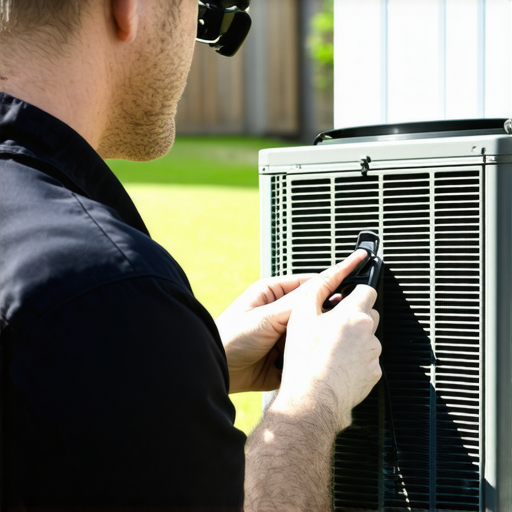
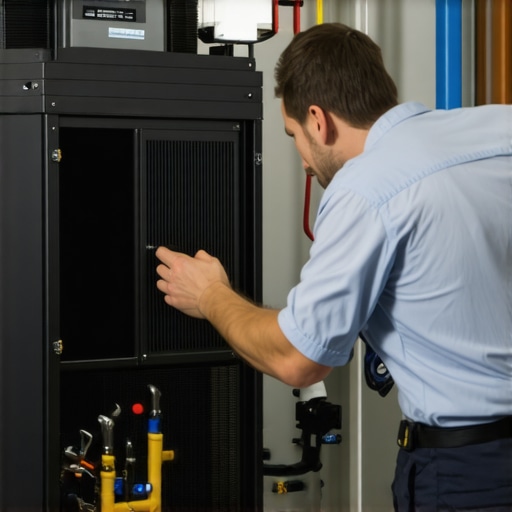
I vividly remember the chilly winter night when my heat pump suddenly sputtered to a halt, leaving my home freezing and my family scrambling for quick fixes. That moment was a wake-up call—relying solely on occasional repairs isn’t enough to keep your system running smoothly, especially when it matters most. It got me thinking: What are the real secrets to ensuring my heat pump operates reliably year-round? The answer lies in proactive maintenance strategies that focus on the essentials.
Why Consistent Maintenance Can Save Your Winter
Keeping your heat pump in top shape isn’t just about avoiding sudden breakdowns; it’s about ensuring consistent, efficient warmth during those critical cold months. Regularly scheduled maintenance helps identify potential issues before they escalate into costly repairs or complete system failures. Plus, a well-maintained heat pump runs more efficiently, saving you money on energy bills and extending its lifespan. From my experience and conversations with experts, neglecting routine checks is one of the most common mistakes homeowners make, often leading to avoidable emergencies.
Are You Pumping Up the Wrong Maintenance? Does It Really Make a Difference?
Early in my journey, I was guilty of skipping simple tasks like filter changes and neglecting professional inspections. I thought minor issues could wait, but that mistake proved costly. A trusted HVAC technician once told me, “Regular preventative maintenance can prevent up to 85% of unexpected breakdowns” (source: EcoHVAC Guide), a statistic that truly opened my eyes. Since then, I’ve learned that consistent, informed upkeep can make all the difference between a warm winter and a costly disaster.
In the next sections, I’ll share proven strategies that will help you maintain your heat pump effectively, ensuring your home stays comfortable and safe no matter how harsh the weather gets. Ready to discover what really works? Let’s dive into the essential maintenance steps that can transform your heating experience from stressful to reliable.
.
Schedule Regular Filter Replacements
Think of your heat pump like a vacuum cleaner—if clogged filters restrict airflow, the machine works harder and less effectively. I once ignored filter changes during a busy month, and two weeks later, my system struggled to heat the house. After replacing the filter, I noticed immediate improvement and avoided a costly repair. Set a reminder to change filters every 1-3 months, especially before winter hits, to keep airflow optimal.
Keep the Coils Clean and Clear
Imagine trying to breathe through a dusty mask—your system’s coils need to breathe freely for maximum efficiency. During my last maintenance, I used a garden hose and coil cleaner to remove debris from the outdoor unit. This simple step improved heat transfer and reduced energy bills. Use a brush or gentle spray to clean coils annually, especially after leaf fall or snow, to prevent strain on the compressor.
Inspect and Maintain Drain Lines
Clogged condensate drains are like blocked arteries—if not cleared, they can cause water backups that damage the equipment. I once found a buildup of algae blocking my drain line by inspecting and flushing it with water. Regularly check for obstructions and clear them with a mixture of vinegar and water or use compressed air to maintain unobstructed drainage. This prevents leaks and mold growth inside your home.
Monitor Thermostat Settings and System Performance
Incorrect thermostat calibration is akin to driving with the wrong speed—you’re not in control. I tested my thermostat accuracy by setting it to a specific temperature and comparing with a manual device. When discrepancies arose, I replaced or recalibrated the thermostat. Consistent monitoring ensures your system responds correctly to your comfort needs, saving energy and avoiding unnecessary strain.
Schedule Professional Preventative Maintenance
Think of this as visiting your doctor annually—preventative checkups keep your HVAC system healthy. I scheduled a professional tune-up, which included a thorough inspection, refrigerant check, and system calibration. The technician caught a minor refrigerant leak that, if left unattended, could have led to system failure. Contact trusted experts through this link for comprehensive service. Professional maintenance not only extends system lifespan but also improves safety and efficiency.
Test System Components Before Extreme Cold
This is like a dry run before the race. I turned on my system a few weeks prior to winter to ensure all parts functioned correctly. I checked the reversing valve, defrost cycle, and heating capacity. If any issues arise, address them early by consulting HVAC repair experts or scheduling service through this resource. Preparing in advance prevents unexpected breakdowns when cold weather arrives.
Maintain Clear Air Vents and Registers
Blocked vents are like tying a knot in a garden hose—pressure builds up, reducing airflow. I ensured all vents were unobstructed by furniture or drapes. During a recent cleaning, I vacuumed dust from registers to improve indoor air quality and system efficiency. Regularly check and clean vents to promote even heat distribution and prevent system overload.
Ensure Proper System Charging and Refrigerant Levels
Imagine trying to cool or heat with a half-empty or overfilled bottle—inefficiency or damage ensues. I had a technician inspect refrigerant levels, correcting a slight deficiency that improved performance and lowered energy bills. Only professionals should handle refrigerant because of safety and environmental regulations. Proper charging maintains system balance and prolongs equipment life.
Document Maintenance and Repairs
Like keeping a health journal, maintaining records helps track what’s been done and when. I keep a log of filter changes, professional inspections, and repairs, which makes future troubleshooting easier. Staying organized ensures no essential tasks are overlooked, saving time and reducing the risk of emergency failures.
By implementing these practical steps, you establish a robust maintenance routine that safeguards your heat pump against winter failures. Consistency is key—think of it as strengthening your home’s heating shield against harsh weather. Taking these actions transforms your system’s performance from fragile to dependable, ensuring cozy comfort when the cold bites hardest.
Many homeowners believe that routine maintenance is simply about changing filters and scheduling annual checkups, but in reality, there’s a nuanced layer often overlooked. A common misconception is that as long as your system appears to be working, it’s perfectly fine to delay repairs or skip detailed inspections. However, experts warn that neglecting the intricacies of modern HVAC systems can lead to surprisingly costly mistakes. For instance, assuming refrigerant levels are adequate without professional testing can cause efficiency drops and long-term damage, because overcharging or undercharging refrigerant can severely impair performance. According to a study by the U.S. Department of Energy, improper refrigerant management is one of the leading causes of HVAC system inefficiency and early failure. So, what most people get wrong is the belief that superficial checks suffice, when in fact, detailed diagnostics and understanding system nuances are vital. Dive too deep into DIY fixes like coil cleaning or thermostat calibration without proper expertise, and you risk causing harm or invalidating warranties. This is especially true if you’re trying to address complex issues like compressor coil faults or compressor motor problems, which require specialized diagnostic tools.
How do advanced diagnostics prevent costly HVAC failures?
Professional HVAC technicians employ multi-foint testing, including refrigerant analysis, airflow measurement, and system responsiveness assessments, to catch issues before they escalate. Regular, detailed inspections help identify subtle signs of wear—such as minor leaks or motor strain—that may not be obvious during a casual glance. Missing these signs can result in sudden breakdowns during the peak of winter or summer. Don’t fall into the trap of ignoring the finer details—trusting a quick filter change but neglecting the refrigerant pressure test, for example. This oversight can cause your system to operate inefficiently, increasing energy bills and shortening its lifespan. Furthermore, understanding the quirks of heat pump behavior in different climates is crucial. For example, a heat pump’s defrost cycle or auxiliary heating elements might seem fine visually but could be underperforming or overly taxing the system without obvious symptoms. A comprehensive, expert approach can prevent such hidden issues, ensuring your system remains reliable year-round. Consistent professional evaluations, guided by the latest industry standards, significantly extend your heat pump’s longevity, saving you money in the long run. To learn more about advanced maintenance strategies, explore our guide on [top HVAC repair strategies to extend your system’s life](https://ecohvacservicez.com/top-hvac-repair-strategies-to-extend-your-systems-life). Have you ever fallen into this trap? Let me know in the comments.
Investing in the Right Equipment Saves You Time and Money
Maintaining a heat pump effectively requires not just knowledge but also the right tools. Over the years, I’ve refined my toolkit to include specific equipment that ensures precision and efficiency. For instance, a high-quality digital manifold gauge set has been indispensable for me, allowing accurate refrigerant pressure readings and leak detection—crucial tasks in preventing long-term damage. I personally prefer models with Bluetooth connectivity, like the Robinair Digital Manifold, because they sync with my tablet and streamline diagnostics, ensuring I catch issues early and prevent costly repairs. Why is this important? Because using reliable diagnostic tools enables proactive maintenance instead of reactive fixes, extending your system’s lifespan and maintaining optimal performance.
Leveraging Software for System Monitoring
Beyond hardware, I rely heavily on professional HVAC software solutions such as FieldEdge or ServiceTitan. These platforms help schedule maintenance, track repair histories, and even generate reminders for filter replacements or part inspections. What sets them apart? Their user-friendly dashboards and mobile app integrations. For example, I use ServiceTitan’s analytics to monitor system performance metrics over time, which allows me to anticipate failures before they happen. This predictive approach is gaining traction industry-wide, with experts predicting an move towards AI-driven diagnostics in HVAC maintenance, as noted in recent heat pump industry forecasts.
How do I maintain my tools over time?
Proper upkeep of your equipment is essential. I make sure to calibrate gauges annually and clean digital sensors regularly to ensure accuracy. Storing tools in climate-controlled cases prevents corrosion and damage—making sure they perform reliably when needed most. Investing in quality tools means fewer surprises on the job and more confidence in your maintenance routines.
Adopting Long-term Strategies for Consistent Performance
While quality tools are vital, establishing a systematic maintenance plan is equally important. I schedule bi-annual checkups with HVAC professionals, referencing detailed logs to track performance trends. This proactive approach aligns with industry best practices, like those recommended in HVAC maintenance guides. Additionally, incorporating advanced diagnostic procedures, such as refrigerant leak tests and airflow measurements, ensures your system stays efficient year-round.
Scaling Your Maintenance Efforts for Greater Efficiency
As your system grows, so should your maintenance capacity. For larger properties or commercial buildings, I suggest investing in portable diagnostic stations that can handle multiple zones at once. Automation tools, like smart sensors integrated with IoT platforms, will likely become standard, allowing continuous real-time monitoring—predicting issues before they turn into failures. The trend toward smart, scalable HVAC solutions indicates a future where maintenance becomes more predictive and less reactive, as discussed in industry projections.
Try This Advanced Tip Today
One practical action I recommend is implementing refrigerant leak detectors with wireless connectivity. These devices notify you instantly via your smartphone if a leak occurs, enabling swift response and preventing system damage. Investing in such tech not only safeguards your equipment but also enhances safety and energy efficiency. Visit this link to connect with trusted HVAC providers for expert advice on integrating advanced diagnostics into your maintenance routine. Dare to try this proactive approach and experience the peace of mind that comes with knowing your system is truly under control.
The Hidden Truths Many Ignored in Heat Pump Care
- One of the most eye-opening lessons I learned was that seeming small issues, like minor refrigerant leaks, often hide the potential for bigger failures if left unchecked. Staying vigilant and trusting the experts to perform detailed diagnostics can prevent unexpected breakdowns during the coldest nights.
- I realized that relying solely on routine filter replacements without inspecting coils, drain lines, and system components is like changing your oil but ignoring engine noises—you’re missing the bigger picture of your system’s health.
- Investing in advanced diagnostic tools and software has transformed my approach, revealing inefficiencies early on. These tools aren’t just for professionals; learning to interpret their data can empower homeowners to catch problems before they escalate.
- Honest communication with HVAC technicians and keeping detailed maintenance logs uncovered patterns I never noticed—turning maintenance from a chore into a strategic advantage for winter reliability.
My Favorite Resources That Elevate Maintenance Skills
- EcoHVAC’s Preventative Maintenance Guide: A comprehensive resource that deepened my understanding of proactive systems care—trustworthy because it combines industry standards with real-world applications.
- Top HVAC Repair Strategies webpage: Regularly updated and filled with tips on diagnosing subtle issues, helping me stay ahead of potential failures.
- Trusted HVAC Tech Contact List: Building relationships with reputable professionals made scheduling complex maintenance easier and more effective.
- A Digital Manifold Gauge Set: This tool increased my confidence in refrigerant testing, ensuring my system stays balanced without guesswork.
Your Next Step Towards Winter Confidence
The journey to reliable heat pump performance is ongoing, but every small improvement builds a fortress of comfort and safety. Embracing detailed diagnostics, using the right tools, and learning through trusted resources empower you to take control. Remember, a well-maintained heat pump isn’t just about avoiding cold nights—it’s about peace of mind and energy savings that last season after season. Ready to elevate your maintenance game? Dive into expert tips and visit this link to connect with professionals who can guide your winter readiness. What’s the most surprising thing you’ve learned about your heat pump? Share your story below.