Ever had that sinking feeling when your heat pump sputters to a halt just as the temperature drops below freezing? I’ve been there. One especially chilly winter, I ignored a minor strange noise coming from my system. By the time I realized it was a warning sign, I was shivering and facing a hefty repair bill. That lightbulb moment taught me a vital lesson: regular maintenance isn’t just a good idea; it’s essential for cold-weather reliability.
Why Neglecting Your Heat Pump Could Cost You Big
When winter hits full force, your heat pump becomes more than just a comfort — it’s your lifeline to a warm home. But if you skip routine maintenance, you risk system breakdowns that leave you out in the cold. According to the Department of Energy, a well-maintained heat pump can run up to 25% more efficiently, saving you money on energy bills and avoiding emergency repairs. Trust me, I learned this the hard way, making the costly mistake of ignoring those early warning signs.
Have You Faced This Exact Problem?
If your system has been acting up or if you’re just unsure whether your heat pump is ready for winter, you’re not alone. Many homeowners underestimate the importance of regular tune-ups. The good news? With a simple checklist, you can prevent most cold-weather issues before they start. Want to learn how to get your system winter-ready and avoid those freezing surprises? Keep reading — I’ll guide you through the essential steps to maximize your heat pump’s efficiency this season.
Check and Replace Air Filters
Start by inspecting your heat pump’s air filters. Think of filters like the lungs of your system — if clogged, they choke airflow, reducing efficiency and risking system strain. During my last winter prep, I once neglected this step and ended up with a system that struggled to heat my home. Replacing filters is straightforward: remove the old one, check its size, and install a new, high-quality filter. Doing this monthly during winter keeps airflow smooth and your system running efficiently.
Inspect and Clean the Outdoor Unit
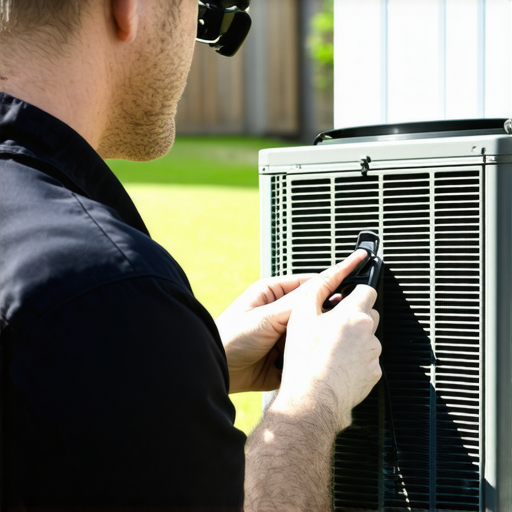
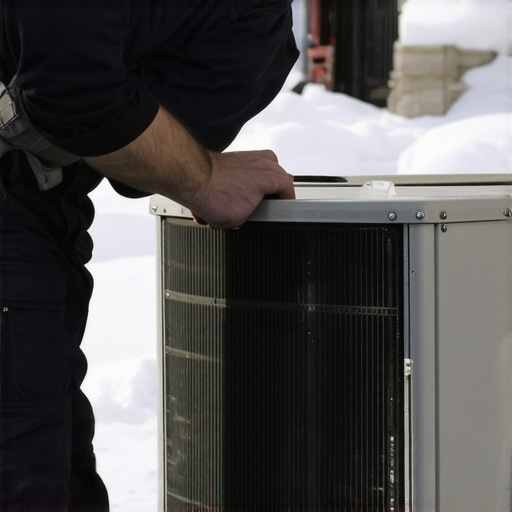
Next, examine your outdoor unit, which is the heart of your heat pump. Clear away leaves, dirt, and snow — imagine clearing debris from a car engine to keep it running smoothly. Use a garden hose to gently wash away grime from the fins, taking care not to bend them. In one winter, I used a soft brush and garden hose, which improved airflow noticeably. Proper cleaning prevents ice buildup and ensures optimal heat exchange, crucial for winter performance.
Verify and Adjust Thermostat Settings
Set your thermostat to a consistent winter-friendly temperature, typically around 68°F (20°C). Think of your thermostat as the home’s brain — it needs to communicate clearly with your heat pump. During my experience, I found that setting the thermostat too low caused the system to work harder, risking damage. Invest in a programmable thermostat if you haven’t; it can automatically adjust temperatures, saving energy and reducing wear. Check the settings now to avoid surprises when the cold hits.
Inspect Ductwork and Seals
Leaky ducts are like holes in a water hose — they waste energy and reduce heating efficiency. Walk through your home, feel for drafts around registers and ducts, and seal leaks with foil tape or mastic sealant. I once discovered a hidden leak behind a closet wall, which, once sealed, improved my system’s efficiency and kept my home warmer. Proper sealing ensures your heat pump directs warm air where it’s needed most.
Test System Functionality
Before the deep freeze arrives, run your heat pump to ensure it kicks on and heats effectively. Listen for odd noises or short cycling — like a car sputtering, these are signs of trouble. In my case, I once ignored a faint grinding noise, which led to a costly repair when the system finally failed in winter. Regular testing helps catch issues early and ensures your system is ready for the cold.
Schedule Professional Maintenance
While many steps are DIY, scheduling a professional tune-up is vital. Expert technicians can perform in-depth inspections, electrical checks, refrigerant levels, and more. Think of this as a health check-up for your system, preventing breakdowns when it’s most needed. I recommend booking a maintenance session now, especially using trusted services like professional heat pump solutions. Regular professional care extends your system’s lifespan and ensures maximum winter efficiency.
Many homeowners operate under misconceptions about heating services, heat pumps, and HVAC repairs that can lead to costly mistakes. Let’s dig into some common myths and reveal the hidden nuances that even seasoned DIYers often overlook.
Why Regular Maintenance Is More Than Just a Tune-Up
Contrary to popular belief, maintenance isn’t a one-and-done task. It’s a comprehensive process that involves detailed inspections, cleaning, and system optimization. Skipping this ongoing care, especially before winter, can cause your system to underperform or even fail at the worst moment. Professional services like preventative heating maintenance focus on these nuances, ensuring your system is truly winter-ready.
Common Trap: Overlooking the Impact of Duct Seals
Many think sealing ducts is just a minor task, but leaky ductwork can cause energy waste and uneven heating. It’s a common mistake to ignore small leaks, which over time, can significantly increase your energy bills and reduce comfort. Advanced homeowners understand that proper duct sealing, using mastic or foil tape, is essential for efficient heat pump operation. Want to optimize your system? Check out HVAC repair strategies that include duct sealing techniques.
Are You Falling for This Advanced Mistake?
Many believe that replacing filters alone will keep their systems in perfect shape. In reality, neglecting refrigerant levels or electrical components can lead to premature system failure. A detailed inspection by a professional can identify these issues early, preventing costly repairs down the line. For expert insights, see heat pump maintenance strategies.
Have you ever fallen into this trap? Let me know in the comments. Remember, understanding these hidden nuances can save you money and ensure your home stays warm when it’s cold outside.
Keeping your heat pump and HVAC system in top shape requires the right tools and a strategic approach. Over the years, I’ve tested various equipment and methods that make maintenance more effective, efficient, and even enjoyable. In this post, I’ll share the specific tools I recommend for ongoing system care, explain why they’re essential, and give tips on how to leverage them for long-term reliability.
Why a Digital Refrigerant Leak Detector Should Be Your Go-To
One of the most overlooked issues in HVAC maintenance is refrigerant leaks, which can silently reduce efficiency and damage your system. I personally rely on the Elitech Refrigerant Leak Detector. Its digital display and sensitivity allow me to pinpoint leaks quickly, saving time and preventing costly repairs. Regularly checking refrigerant levels with this device keeps the system running at peak efficiency, especially before winter hits.
Invest in a Quality Multimeter for Electrical Checks
A reliable multimeter is non-negotiable. I prefer the Fluke 116 HVAC Multimeter because it’s designed specifically for HVAC applications, with features like non-contact voltage detection and temperature measurement. I use this tool to verify electrical components, test thermostats, and ensure capacitors are functioning correctly. Maintaining electrical health is crucial for avoiding system failures during the coldest months.
Use an Infrared Thermometer for Heat Exchange Checks
Monitoring temperature differences across your heat pump’s components helps identify inefficiencies. I rely on the FLIR TG165-X Infrared Thermometer. Its precise readings assist in diagnosing airflow issues or frozen coils, enabling proactive maintenance rather than reactive repairs.
Tools to Streamline Duct Inspection and Sealing
Leaky ducts can waste energy and compromise comfort. I recommend a duct leakage tester. Paired with a good flashlight and mirror, it helps locate hidden leaks. Sealing leaks with mastic or foil tape, as described in professional maintenance guides, significantly improves system efficiency and reduces energy bills.
Embrace the Future with Smart Thermostats and IoT Devices
While traditional tools are essential, the future of HVAC maintenance lies in smart technology. I’ve integrated a smart thermostat that learns my schedule and adjusts temperatures accordingly. This not only saves energy but also provides remote diagnostics, alerting me to potential issues before they escalate.
How do I maintain my HVAC system over time?
Consistent maintenance is key. Scheduled inspections, cleaning filters, checking refrigerant levels, and electrical tests form the backbone of long-term system health. Using the right tools, like those I’ve mentioned, makes these tasks straightforward and effective. Regular professional tune-ups, combined with DIY checks, ensure your system remains reliable through the harsh winter months. I recommend reviewing top maintenance tips periodically to stay ahead of potential problems. For personalized advice or to schedule expert service, don’t hesitate to contact professionals via contact us. Stay proactive, and your system will reward you with years of dependable performance.
The Hardest Lesson I Learned About heating service, heat pump, HVAC repair, maintenance
One of my most eye-opening experiences was neglecting a small warning sign, which led to a total system failure during a cold snap. This taught me that regular maintenance isn’t just routine — it’s a vital safeguard against winter disasters. Now, I make it a point to listen to my system’s subtle cues, saving money and avoiding discomfort.
3 Myths About heating service, heat pump, HVAC repair, maintenance That Held Me Back
I used to believe that replacing filters was enough to keep my heat pump in top shape. Turns out, refrigerant leaks and electrical issues are silent killers that only a professional can spot. Busting these myths has changed my approach, making me more proactive and confident in maintaining my system.
What Experts Won’t Tell You About heating service, heat pump, HVAC repair, maintenance
Many homeowners overlook the importance of sealing ductwork properly. Even small leaks can drain efficiency and cause uneven heating. Learning this from seasoned professionals helped me implement simple, cost-effective fixes that paid off with warmer rooms and lower bills.
Curated Resources for Winter Heat Pump Success
My go-to tool is the Elitech Refrigerant Leak Detector. Its sensitivity helps me catch refrigerant issues early. I also rely on the Fluke 116 HVAC Multimeter for electrical diagnostics, which saves me from costly surprises. Finally, I check my ducts with a duct leakage tester to ensure no air escapes, maximizing efficiency and comfort.
Your Turn to Try
Taking these insights and tools into your winter preparations can make all the difference. Regular DIY checks combined with professional tune-ups will keep your heat pump reliable and efficient. Ready to get your system winter-proof? Share your experiences or ask questions below — I’d love to hear your story or help troubleshoot!