Ever had that sinking feeling when your heating system fails in the dead of winter or your AC gives up during a scorching summer day? I remember one winter when my heat pump decided to quit just as a cold snap hit—talk about a wake-up call. It was a frustrating, chilly night, and I realized I’d overlooked some critical maintenance tips that could have prevented the whole ordeal. That lightbulb moment made me dig deep into the best HVAC repair strategies, and today, I want to share those insights with you so you can avoid the same pitfalls.
Why Home Comfort Should Be a Year-Round Priority
Living in a climate with unpredictable weather means your HVAC system needs to work reliably 24/7. Proper maintenance and timely repairs aren’t just about comfort—they’re about safety, efficiency, and saving money. According to the Department of Energy, a well-maintained HVAC system can reduce energy costs by up to 30%. That’s a huge difference in your annual bill, especially with fluctuating energy prices in 2024. If you’ve ever been caught off guard by a sudden system failure, you know how disruptive it can be. The good news? With some proactive strategies, you can keep your home cozy no matter the season.
Have you ever faced a heating or cooling emergency that left you scrambling for solutions?
If your answer is yes, you’re not alone. I’ve learned from my own mistakes that rushing into repairs without understanding the root cause can lead to costly repeat fixes. Early on, I replaced parts without diagnosing the real problem, which only made things worse. A trustworthy HVAC repair plan involves more than quick fixes—it’s about understanding your system, preventing issues before they escalate, and knowing when to call in the experts. For comprehensive guidance, check out top strategies to extend your HVAC system’s lifespan.
In the sections ahead, I’ll walk you through specific repair and maintenance tips that can save you money and stress. We’ll cover everything from winter safety to summer efficiency, so you’ll be prepared year-round. Ready to make your home more comfortable and your HVAC system more reliable? Let’s dive into the most effective strategies that I’ve personally tested and trusted.
Inspect Your System Regularly
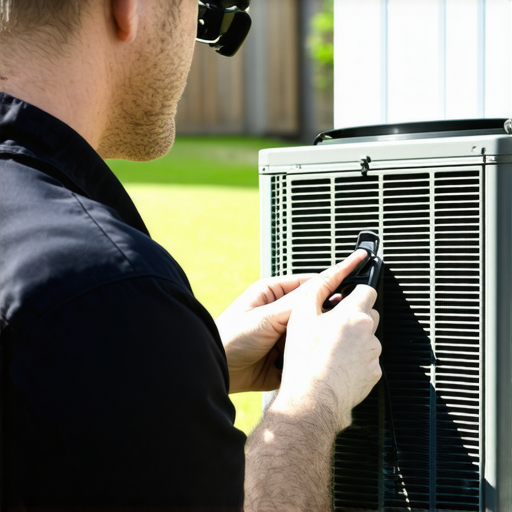
Start by conducting visual inspections once every season. I remember a winter when I noticed ice buildup on my heat pump’s outdoor unit. This was a sign of low refrigerant or dirty coils. By catching this early, I prevented a complete system failure. Remove debris, check for leaks, and ensure vents are unobstructed. Think of it like checking your car’s oil—regular attention keeps things running smoothly. For detailed inspection tips, visit preventative heating maintenance guide.
Clean and Replace Components
Filters Are Your First Line of Defense
Clogged filters reduce airflow and strain your system. I once ignored mine during a busy month, and my system started making strange noises. Replacing filters every 1-3 months is simple but powerful. Use high-quality filters and keep a schedule. Think of filters as the lungs of your HVAC—clean them for healthy operation. For more on filter maintenance, see top repair strategies.
Coils Need Love Too
Dirty evaporator and condenser coils act like clogged arteries, reducing heat exchange. I learned this the hard way when my system’s efficiency plummeted in summer. Regular cleaning with a soft brush or coil cleaner keeps things optimal. It’s like giving your system a spa day—refreshing and vital. Follow expert tips at expert maintenance tips.
Check Thermostat Settings and Functionality
Misconfigured thermostats cause energy waste and comfort issues. I once set my thermostat incorrectly, leading to uneven heating. Calibrate it annually and consider upgrading to smart thermostats for better control. It’s like having a personal weather forecaster inside your home—predictive and precise. For guidance on thermostat calibration, visit heat pump solutions.
Schedule Professional Maintenance
While DIY helps, professional tune-ups are essential. I hired a licensed technician last fall, and they identified a refrigerant leak before it caused costly damage. Annual service includes refrigerant checks, system calibration, and safety inspections. Think of it as a health check-up for your HVAC. For trusted experts, check tips for choosing heating service experts.
Monitor System Performance
Use smart sensors or simple checks to track efficiency. I installed a monitor that alerted me to rising energy costs, prompting early intervention. Keep an eye on unusual noises or temperature inconsistencies. It’s like having a home health dashboard—always on alert. For advanced monitoring options, explore heat pump maintenance tips.
Prepare for Seasonal Extremes
Winter and summer demand extra attention. In winter, ensure your heat pump is winterized, and in summer, clean coils for maximum cooling. I learned this when my system struggled during a cold snap because I hadn’t checked the defrost cycle. Proper seasonal prep saves energy and extends lifespan. For winter-specific tips, see winter safety maintenance.
Many homeowners fall prey to myths and misconceptions about heating service, heat pumps, and HVAC repair, often leading to costly mistakes. Let’s dig deeper into what most people get wrong and how to avoid these traps.
Why Skipping Professional Maintenance Can Be a Costly Mistake
One prevalent myth is that DIY maintenance is enough to keep your HVAC system running smoothly. While some basic tasks, like replacing filters, are simple, comprehensive inspections and tune-ups should be handled by professionals. Skipping annual professional service can lead to undetected issues such as refrigerant leaks or failing components, which might escalate into expensive repairs or system failure. According to a study published by the Department of Energy, neglected maintenance can reduce system efficiency by up to 30%, increasing energy bills and shortening equipment lifespan. Always schedule regular checkups with trusted experts, like those found at professional heating service.
Myth: All Heat Pumps Are the Same and Can Be Installed Anywhere
This is a dangerous oversimplification. Not all heat pumps are suitable for every climate or home. Many assume that a heat pump is a one-size-fits-all solution, but variables such as insulation, outdoor temperature ranges, and existing ductwork significantly influence performance. Installing a system designed for moderate climates in an extremely cold environment can lead to inefficiency and breakdowns. Advanced models with cold-weather solutions, like those discussed in heat pump solutions for winter, are essential for reliable operation in colder regions. Proper sizing and professional consultation are critical to avoid premature system failure.
Don’t Overlook the Role of Thermostat Calibration
Many believe that a thermostat is just a simple control device, but its calibration and placement can significantly impact comfort and energy efficiency. An incorrectly calibrated thermostat can cause your system to cycle more frequently or run longer than necessary, wasting energy and increasing wear on components. Advanced thermostats with smart features can help optimize performance, but they require proper setup. For a deep dive into calibration tips, see heat pump maintenance tips. Proper calibration ensures your system responds accurately to temperature changes, saving money and extending lifespan.
Have you ever fallen into this trap? Let me know in the comments. Understanding these nuances helps you make smarter decisions and keep your home comfortable year-round.
Maintaining your heating and cooling systems over time requires a combination of the right tools, consistent practices, and an understanding of how technology is evolving in the HVAC industry. From advanced diagnostic devices to smart home integration, I rely on specific equipment that ensures my system stays efficient and reliable year-round.
Invest in a High-Quality Multimeter for Precise Diagnoses
One tool I personally swear by is a digital multimeter. A reliable multimeter like the Fluke 115 is essential for measuring voltage, current, and resistance accurately. It helps me quickly identify electrical issues like faulty capacitors or wiring problems, preventing unnecessary repairs and downtime. When used correctly, a multimeter can save hours of troubleshooting and provide peace of mind that your system’s electrical components are functioning properly. For a detailed guide on electrical diagnostics, check out top repair strategies.
Use a Refrigerant Leak Detector for Long-Term Reliability
In my maintenance routine, I always include a refrigerant leak detector, such as the Inficon D-TEK or comparable electronic sniffer. These devices help me pinpoint leaks that can cause efficiency drops or system failures. Detecting refrigerant issues early extends the lifespan of the heat pump or AC unit and maintains optimal performance. This is especially important as refrigerant formulas evolve, and leak detection becomes more sophisticated. Want to learn about refrigerant management? Visit expert repair strategies.
Implement Smart Thermostats for Better Control and Monitoring
Smart thermostats like the Nest Learning Thermostat or Ecobee offer real-time data and remote control capabilities. I installed a smart thermostat a few years ago, and it transformed my approach to system maintenance. Not only can I adjust settings remotely, but I also receive alerts about system performance or malfunctions. These insights help me schedule repairs proactively, avoiding costly breakdowns. As technology advances, I predict more HVAC systems will integrate AI-driven diagnostics, making maintenance even more intuitive. For tips on calibration, explore heat pump solutions.
How do I maintain my HVAC system over time?
Regularly inspecting and cleaning key components like filters, coils, and fans is fundamental. I recommend setting a calendar reminder to check filters every 1-3 months, depending on usage and air quality. Additionally, scheduling professional inspections annually ensures that refrigerant levels, electrical connections, and safety controls are all in top shape. With the integration of IoT devices, many systems now offer performance dashboards that allow you to monitor efficiency metrics continuously—embrace these tools to catch issues early and keep your system running smoothly.
Looking ahead, the trend points toward hyper-connected HVAC systems that leverage machine learning and predictive analytics to automate maintenance schedules and diagnose problems before they occur. This proactive approach will make keeping your system working easier and more reliable than ever. For now, I encourage you to try installing a smart thermostat and pairing it with a refrigerant leak detector for a noticeable boost in system longevity and efficiency. Want personalized advice? Reach out via our contact page anytime.
When I first faced a sudden system failure during the coldest winter night, I realized the true value of proactive HVAC care. Over time, I learned that the most effective repairs and maintenance are rooted in lessons learned the hard way. Today, I want to share those personal insights so you can avoid costly surprises and keep your home comfortable no matter the season.
The Hardest Lesson I Learned About HVAC Maintenance
- Neglecting seasonal inspections can lead to unexpected breakdowns. Catching ice buildup on your heat pump early saved me from a complete system failure during winter. Regular visual checks help identify leaks, debris, or corrosion before they escalate.
- DIY fixes without diagnosing the root cause can backfire. I replaced parts in a panic, only to realize the core issue was a refrigerant leak that required professional attention. Knowing when to call the experts saves money and time.
- Investing in quality tools pays off. Using a reliable multimeter and refrigerant leak detector allowed me to troubleshoot electrical and refrigerant issues accurately, preventing unnecessary repairs.
- Upgrading to smart thermostats and monitoring devices enhances home comfort and system longevity. These tools alert you to anomalies early, giving you a chance to act before costly damage occurs.
My Essential Toolkit for HVAC Reliability
- High-Quality Multimeter: For precise electrical diagnostics, I trust the best repair strategies that include electrical troubleshooting.
- Refrigerant Leak Detector: Early leak detection extends system life and maintains efficiency. Devices like Inficon D-TEK are game-changers.
- Smart Thermostats: These improve control, save energy, and offer real-time system alerts, making maintenance more manageable and proactive.
- Inspection Checklist: Regular visual and functional inspections, especially before seasonal extremes, prevent surprises and ensure safety.
Your Next Step to HVAC Confidence
Embracing a proactive approach to heating service, heat pump, and HVAC repair means investing a little time and resources now to reap long-term benefits. In a world of evolving technology, tools like smart sensors and diagnostics are becoming essential. So, start with a seasonal inspection, upgrade your thermostat, and consider professional tune-ups annually. Want personalized advice? Reach out via our contact page and take control of your home comfort today.
Reading through this post really resonated with me, especially the part about regular inspections and timely repairs. Last winter, I neglected to clear debris from my outdoor HVAC unit, which led to ice buildup and a much bigger issue. Since then, I’ve made it a point to schedule seasonal checks and learned how crucial small maintenance tasks are for long-term reliability. What’s interesting is how technological advancements like smart thermostats and leak detectors have made proactive maintenance more accessible and effective. I’m curious—has anyone found particular tech tools or apps that they swear by for maintaining HVAC systems? I’d love to hear about software or devices that have genuinely helped you catch issues early before they turn into costly repairs.