One frosty morning last winter, I woke up to a chilling surprise: my heating system had failed just when I needed it most. The cold seeped in, and I realized I’d overlooked some critical maintenance steps that could have prevented this nightmare. That wake-up call taught me a valuable lesson about the importance of proactive heating service, especially as winter approaches.
Why Proper Heating Maintenance Matters Before the Cold Sets In
As someone who’s experienced the discomfort of a freezing home, I can tell you that ensuring your heating system is in top shape isn’t just about comfort — it’s about safety and peace of mind too. Proper maintenance helps prevent unexpected breakdowns, reduces energy bills, and keeps your home warm and cozy when temperatures plummet. According to the U.S. Department of Energy, regular servicing can improve heating system efficiency by up to 30%, saving you money and reducing environmental impact. If you’re like me, and you’ve ever skipped that annual check-up, you know how quickly things can go wrong. Have you faced a similar cold snap with a system that just wouldn’t cooperate? If so, it’s time to get serious about your heating maintenance.
Is Heating Service Worth the Cost and Effort?
I used to think that skipping a yearly tune-up saved a few bucks — until I learned that neglecting it could lead to costly repairs or dangerous failures. My early mistake was ignoring small issues like dirty filters or minor leaks, which snowballed into a full-blown system failure in the dead of winter. Now, I always schedule preventative maintenance, and I recommend you do the same. For expert advice on what to look out for, check out this comprehensive guide. Proper care extends your system’s lifespan and ensures it performs reliably when it’s needed most.
In the sections ahead, I’ll share practical tips and strategies to keep your home warm and safe throughout winter. Because trust me, a little preparation now can save a lot of trouble later. Let’s get started on making your heating system winter-ready!
Inspect Your System Thoroughly
Start with a visual inspection of your heating unit. I remember last fall, I found a layer of dust and debris around my furnace, which was clogging vents and reducing efficiency. Use a flashlight to check for dirt, rust, or leaks. Look at the filters—if they appear dirty or clogged, replace them immediately. A clean filter is like a fresh breath for your system, ensuring optimal airflow and efficiency. Don’t forget to examine the vents and ducts for obstructions or damage. Regular inspections catch issues early, preventing costly repairs during the coldest days.
Replace or Clean Filters Regularly
When I neglected my filters, my system struggled to heat my home evenly. Replacing filters is simple: turn off the unit, remove the old filter, and slide in a new one matching the size. For a more eco-friendly approach, consider washable filters that you can rinse and reuse. This step is crucial because dirty filters force your system to work harder, increasing energy bills and wear. Check filters at least once a month during peak season for best results.
Test and Calibrate Thermostats
Last winter, I discovered my thermostat was off by a few degrees, causing my heating to cycle improperly. To prevent this, set your thermostat to your desired temperature, then use a reliable thermometer to verify accuracy. If discrepancies are found, recalibrate or replace your thermostat. Modern smart thermostats can learn your schedule and optimize heating, saving energy and money. Proper calibration ensures your system responds correctly to your commands, maintaining comfort efficiently.
Clear Surroundings and Check Ventilation
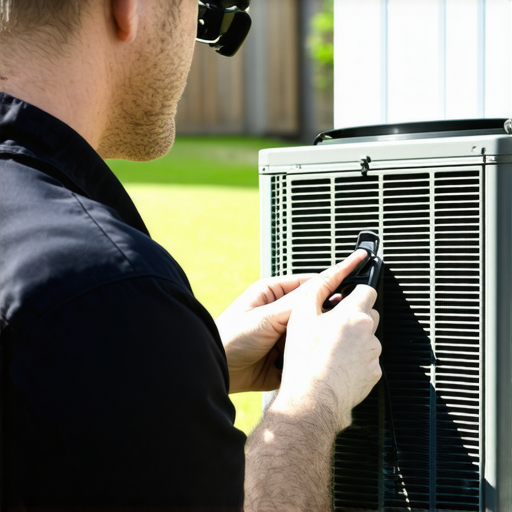
I once forgot to clear snow and debris from outdoor vents, which blocked airflow. Clear any obstructions around your outdoor units, ensuring vents are free of snow, leaves, or debris. Good ventilation is vital for heat pumps and furnaces to operate safely and effectively. Imagine your system as a human breathing: blocked airways lead to poor performance and health risks. Regularly inspect and clean these areas to keep airflow unobstructed.
Schedule Professional Maintenance
While DIY checks are helpful, professional servicing is irreplaceable. I learned this the hard way when my heat pump showed signs of inefficiency, and a technician identified a refrigerant leak I couldn’t detect myself. Schedule a yearly tune-up with a certified HVAC technician, ideally before the cold weather hits. They will clean components, check for leaks, test safety controls, and ensure everything is calibrated correctly. Think of this as a health check-up for your heating system, catching issues early before they become emergencies.
Understand Your System’s Unique Needs
Every home and system has specific requirements. For instance, heat pumps need different care compared to traditional furnaces. Check out this comprehensive guide to understand tailored maintenance routines. Knowing your system’s nuances helps prevent breakdowns and extends its lifespan, ensuring reliable comfort during the cold months.
Keep Emergency Contacts Handy
Finally, I keep a list of trusted HVAC repair services like this contact page. Quick access to professional help saves time and stress if something unexpectedly goes wrong. Remember, proactive maintenance is about peace of mind—making sure your home stays warm and safe all winter long.
Many homeowners operate under misconceptions about heating service, especially regarding heat pumps and HVAC repairs. One prevalent myth is that regular maintenance isn’t crucial unless something breaks. In reality, proactive maintenance can prevent costly repairs and extend your system’s lifespan, as highlighted by experts in the field of HVAC maintenance. Skipping routine checks often leads to overlooked issues like refrigerant leaks or worn components that silently degrade system efficiency over time.
Another misconception is that all HVAC systems require the same kind of care. However, heat pumps, for instance, demand specific maintenance routines tailored to their dual heating and cooling functions. Neglecting these nuances can cause premature breakdowns, which is why understanding your system’s unique needs is essential. For example, this guide details how heat pump maintenance differs from traditional furnaces and why specialization matters.
One trap many fall into is believing that cleaning filters alone is enough for system health. While filter maintenance is vital, it’s just one aspect of a comprehensive approach. Professional inspections should include checking electrical connections, refrigerant levels, and system calibrations. Overlooking these factors can result in inefficient operation or dangerous failures. For instance, improper refrigerant charge can significantly impair heat pump performance, leading to increased energy consumption and potential damage, as noted in recent industry studies.
What Advanced Homeowners Need to Know About HVAC Repair
For those seeking a deeper understanding, it’s important to recognize that modern HVAC systems incorporate smart technology and advanced controls that require specialized knowledge for optimal maintenance. Misinterpreting diagnostic codes or ignoring system alerts can cause minor issues to escalate. Regularly reviewing manufacturer instructions and staying updated with expert tips ensures your repairs are precise and effective.
In summary, the hidden nuance is that heating system maintenance isn’t just about routine tasks; it’s about understanding the complex interplay of components and the specific demands of your system. By debunking myths and paying attention to these advanced details, you can avoid costly emergencies and enjoy reliable home comfort year-round. Have you ever fallen into this trap? Let me know in the comments.
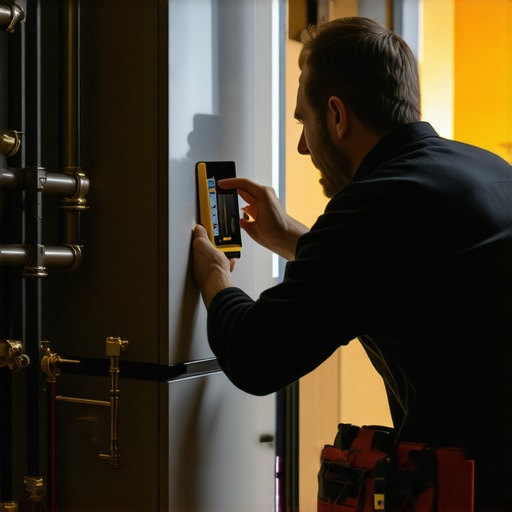
Maintaining a heating system over time requires more than just routine inspections; it demands the right tools and a strategic approach. One tool I personally rely on is a digital multimeter. It’s indispensable for testing electrical connections, verifying voltage levels, and diagnosing faulty components. I prefer a model like the Fluke 115, because of its accuracy and durability, which are crucial when troubleshooting complex HVAC systems. Regularly using a multimeter helps me catch electrical issues early, preventing minor faults from escalating into costly repairs.
Another essential instrument in my toolkit is a refrigerant leak detector. Modern leak detectors, such as the Inficon D-TEK select, provide sensitive detection that’s vital for heat pump and AC maintenance. I use mine during routine checks to ensure refrigerant levels are optimal. Detecting leaks early not only maintains system efficiency but also avoids environmental harm and potential safety hazards. Investing in quality detection equipment is a game-changer for long-term HVAC reliability.
For cleaning and maintenance, I recommend a high-quality vacuum with a HEPA filter. A portable vacuum like the Ridgid Wet/Dry vac with HEPA filtration helps me remove dust and debris from vents, coils, and condensers. Keeping these components clean improves airflow and heat transfer, boosting efficiency and extending system lifespan. Regular cleaning with the right tools ensures your system operates at peak performance, especially during the demanding winter months.
In addition to physical tools, software plays a growing role in HVAC maintenance. I use diagnostic apps compatible with smart thermostats and HVAC control systems, enabling me to read error codes and system performance data remotely. For example, integrating a system like Nest Thermostat with diagnostic apps allows for quick troubleshooting and adjustments without invasive procedures. As smart home technology advances, leveraging these tools will become essential for proactive maintenance and long-term savings.
Looking ahead, I predict that predictive maintenance using IoT sensors and AI-driven analytics will dominate HVAC care. These technologies will enable systems to alert homeowners about potential failures before they happen, based on real-time data. Embracing such innovations now can save you money and stress, ensuring your system remains reliable during the coldest months.
How do I maintain HVAC systems over time?
Consistent maintenance involves not only using the right tools but also following a disciplined schedule. Regularly calibrate your equipment, check for firmware updates on smart devices, and keep detailed records of inspections and repairs. For in-depth guidance, I recommend reviewing this comprehensive maintenance guide. Implementing these practices ensures your system stays efficient, safe, and ready for winter’s worst.
If you haven’t already, try conducting a refrigerant leak test with a leak detector or calibrate your thermostat with a reliable thermometer. These small steps can significantly improve your system’s performance and longevity. Remember, the key to effective long-term HVAC maintenance is combining the right tools with a proactive mindset.
The Hardest Lesson I Learned About Heating Service and Maintenance
I once underestimated the importance of regular professional check-ups for my heating system, thinking DIY was enough. That misconception almost left me freezing in the dead of winter. Now I know that expert inspections can uncover hidden issues like refrigerant leaks or electrical faults that DIY checks simply can’t catch, emphasizing the value of trusting trained technicians.
My Aha Moment About My System’s Unique Needs
Initially, I believed all HVAC systems required the same routine maintenance. I later discovered that heat pumps, for example, have specific needs that differ from traditional furnaces. Tailoring maintenance routines based on the system type can prevent premature failures and extend lifespan, which I learned the hard way during a cold snap.
The Cost of Overlooking Small Details in Maintenance
Skipping simple tasks like filter replacement or vent clearing might seem insignificant, but I realized these small neglects can lead to major system failures. Regularly inspecting and maintaining these components not only saves money but also keeps my home warm and safe.
Why DIY Tools Are a Game-Changer
Investing in tools like a reliable multimeter and refrigerant leak detector transformed my approach to HVAC care. These tools allow me to identify electrical issues and leaks early, preventing costly repairs and ensuring my system runs efficiently through winter.
The Power of Staying Informed and Prepared
Keeping up with expert guides and industry updates, like those found in comprehensive maintenance resources, has empowered me to maintain my system proactively. Knowledge truly is power when it comes to home comfort and safety.