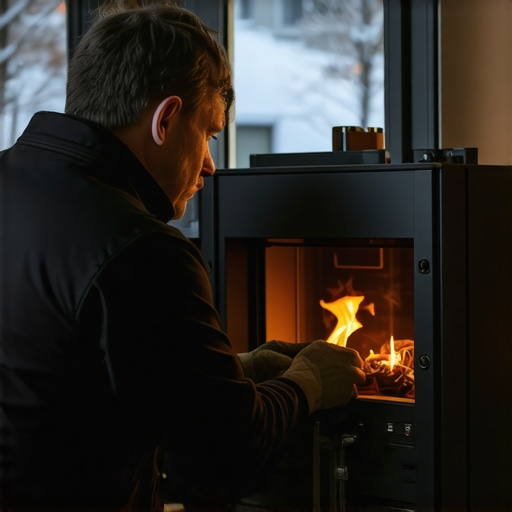
Last winter, I almost froze in my own home. My heat pump sputtered just when I needed it most, and I learned the hard way that neglecting proper maintenance can turn your cozy winter haven into a cold nightmare. That lightbulb moment made me realize—reliable heating isn’t just about flipping a switch, it’s about preparation, maintenance, and knowing the right tips to keep your system running smoothly. If you’ve ever faced a sudden breakdown or worry about your heating system failing in the cold, you’re not alone. Luckily, I’ve gathered some practical advice that can save you from a winter emergency and help you enjoy a warm, safe home all season long.
Why Winter Heating Maintenance Matters More Than Ever
As the temperatures drop, your heating system becomes your lifeline to comfort and safety. But many homeowners overlook routine maintenance until a problem arises. A study by the U.S. Department of Energy shows that regular HVAC checkups can improve system efficiency by up to 30%. That’s not just about saving money on energy; it’s about peace of mind. If your system isn’t properly maintained, minor issues can snowball into costly repairs or total system failure during the coldest days. I learned this the hard way early in my DIY days, when I tried to skip annual tune-ups, only to be caught off guard by a failing heat pump in mid-January. Trust me, a little effort now can prevent a big headache later.
Is Heating Service Really Worth the Investment?
Many homeowners wonder if regular heating service is worth it. My early mistake was thinking I could skip professional checks, thinking I’d save money. Turns out, neglecting maintenance can lead to inefficient operation, increased energy bills, and unexpected breakdowns. According to experts, investing in professional heating service ensures your system operates at peak performance and prolongs its lifespan. Plus, technicians can spot small issues before they turn into winter catastrophes. If you want to avoid waking up to a freezing house or costly repairs, it’s a small price to pay for peace of mind. Curious how to choose the right service provider? Check out this guide.
Inspect and Clean Your System
Start by turning off your heating system and removing access panels to inspect components. Use a vacuum or soft brush to remove dust and debris from vents, filters, and fans. During my first DIY check, I found thick dust buildup that was choking airflow, leading to inefficient heating. Cleaning this improved performance immediately, preventing future breakdowns.
Replace or Clean Filters Regularly
Filters are the lungs of your HVAC system; dirty filters restrict airflow and strain the system. I learned this the hard way when my heater struggled to warm the house because of clogged filters. Swap out filters every 1-3 months or as recommended. Think of it like changing your air filters is feeding clean blood to your system, keeping it healthy and efficient.
Check and Seal Ductwork
Leaky ducts waste energy and reduce heating efficiency. Use mastic sealant or foil tape to patch leaks. I once discovered massive gaps in my ductwork behind the walls, which I sealed with professional-grade tape. Sealing ducts is like closing holes in a leaky boat; it keeps the warm water inside, ensuring your home stays comfortable without wasting energy.
Test and Calibrate Your Thermostat
Ensure your thermostat is accurate by comparing it with a handheld thermometer. If it’s off, recalibrate or replace it. I once set my thermostat to 70°F, but the house stayed cooler. After recalibrating, I noticed a significant improvement in comfort. A properly calibrated thermostat acts like a reliable guide, telling your system exactly when to turn on and off.
Inspect and Maintain Heat Pump Components
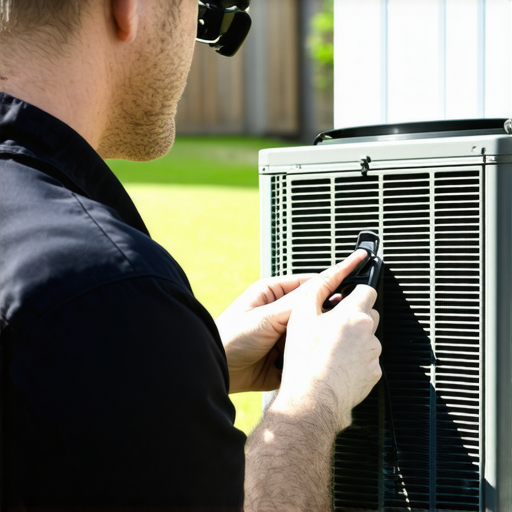
For heat pump users, check outdoor coils for ice buildup and clear away debris like leaves and snow. During a winter prep, I gently brushed off ice and ensured airflow was unobstructed. This prevents strain and improves efficiency, much like clearing snow from a car’s windshield ensures a safe drive.
Lubricate Moving Parts
Apply lubricant to motors and fans to reduce friction and prevent overheating. I used a few drops of electric motor oil on my blower motor’s bearings, which quieted the noise and extended its lifespan. Think of it as giving your system a massage—smooth operation equals fewer breakdowns.
Schedule Professional Maintenance
Even with DIY checks, professional tune-ups catch issues you might miss. I once hired an expert who spotted a failing capacitor before it caused a breakdown. Regular service is like a health check-up for your HVAC system, catching problems early and saving money in the long run. For trusted, expert assistance, consider reaching out via this contact page.
Many homeowners fall prey to misconceptions that can cost them time, money, and comfort, especially when it comes to heating systems and heat pumps. One of the biggest myths is that DIY maintenance can replace professional tune-ups. While regular cleaning and filter changes are essential, they don’t substitute the nuanced expertise of a seasoned technician who can diagnose hidden issues that might be lurking behind the scenes. Relying solely on DIY fixes may lead to overlooking critical problems, ultimately risking costly breakdowns during the coldest days of winter.
Another common mistake is believing that heating systems only need attention when they stop working. In reality, preventative maintenance should be an ongoing process. According to experts, scheduling regular check-ups—at least once a year—can extend the lifespan of your HVAC or heat pump and ensure maximum efficiency. This proactive approach catches minor issues before they escalate into major repairs, saving you money and stress in the long run. For comprehensive guidance, consider visiting this preventive maintenance guide.
What Advanced Homeowners Often Overlook in Heating Maintenance
Many advanced homeowners focus on superficial checks like filter replacements but neglect critical components such as refrigerant levels, electrical connections, or the calibration of thermostats. These nuanced issues can dramatically reduce system efficiency or cause uneven heating. A study by the Department of Energy indicates that improper refrigerant charge and uncalibrated thermostats can decrease system efficiency by up to 20%. Regular professional inspections ensure these hidden problems are addressed before they cause discomfort or higher energy bills. Remember, a well-maintained system is not just about comfort but also about safety—especially for heat pumps that rely on precise refrigerant management. Want to learn how to optimize your heat pump’s performance? Check out this resource for expert tips.
Finally, many people assume that all HVAC technicians are the same. But the reality is, expertise varies widely. Choosing a qualified, experienced professional can mean the difference between a quick fix and a long-term solution. Do your research, read reviews, and ask for certifications. For trustworthy service providers, start by visiting this guide.
Have you ever fallen into this trap? Let me know in the comments, and share your own experiences with heating system myths or mistakes. Staying informed is the best way to ensure you’re not caught off guard when winter hits hard.
How do I keep my heating system running smoothly over time
Maintaining your heating system, especially heat pumps and HVAC units, requires a combination of the right tools and disciplined routines. Over the years, I’ve learned that investing in quality equipment and knowing how to use it can significantly extend the lifespan of your system. One of my go-to tools is a digital manifold gauge set. Unlike traditional analog gauges, digital versions provide precise readings of refrigerant pressure and temperature, making it easier to diagnose issues early and avoid costly repairs. I personally prefer the Yellow Jacket SmartPro because it connects to my smartphone, giving real-time data and troubleshooting tips. This technology allows me to monitor refrigerant levels and system pressures without having to rely solely on a technician, enabling proactive maintenance.
Another indispensable tool is a digital multimeter. It helps me verify electrical connections and components like capacitors and relays, which are common failure points. I use the Fluke 117 because of its accuracy and durability. Regularly testing voltage and continuity ensures my system’s electrical health and prevents unexpected breakdowns during peak winter months.
For routine maintenance, I rely on a high-quality vacuum pump and refrigerant scale. These tools are vital for recharging the system correctly after repairs or leak repairs. I’ve found that using the Robinair 15500 vacuum pump in combination with a digital refrigerant scale ensures a proper vacuum and accurate refrigerant charge, which are critical for efficient heat pump operation.
Beyond hardware, software tools like HVAC diagnostic apps can streamline the troubleshooting process. Apps such as this one provide step-by-step guides based on symptoms, saving time and reducing guesswork. I recommend trying out a diagnostic app to supplement your manual checks — it’s a game-changer for DIY enthusiasts and professionals alike.
Lastly, staying ahead of issues involves scheduling regular maintenance using professional-grade checklists and software. The future of HVAC maintenance is heading towards smart systems that monitor performance in real time and alert homeowners before problems develop. I predict that in the next decade, integrated IoT sensors and AI-driven diagnostics will make system upkeep even more accessible and reliable, reducing the need for emergency repairs.
To get started, consider purchasing a reliable digital manifold gauge set and a multimeter. These tools alone can empower you to catch small issues early, saving money and ensuring your home stays warm when it counts. For more expert tips on maintaining your system, check out this comprehensive guide. Don’t wait until a cold snap hits — equip yourself now and keep your heating system working perfectly for years to come.
The Hardest Lesson I Learned About Heating Maintenance
One winter, I ignored my heat pump’s warning signs, thinking I could handle it myself. The result was a complete system failure in the middle of the coldest night, leaving me freezing and frustrated. That painful experience taught me that neglecting professional maintenance can cost you dearly, especially when the weather turns icy. Now, I prioritize regular checkups and keep a close eye on my system’s health, avoiding costly emergencies and staying warm when it matters most.
3 Myths About Heating Systems That Held Me Back
I once believed that DIY cleaning was enough to keep my system running smoothly. I also thought that heating systems only needed attention when they stopped working. These misconceptions delayed proper maintenance, leading to inefficient operation and higher bills. Learning from experts, I now understand that proactive maintenance, including professional tune-ups, extends my system’s lifespan and improves efficiency. Don’t fall for these common myths—trust professional advice and stay ahead of problems.
What Experts Won’t Tell You About Heat Pump Care
Many homeowners overlook delicate components like refrigerant levels and electrical connections. I found out the hard way that ignoring these hidden issues can cause uneven heating and system strain. Regular professional inspections ensure these critical parts are properly maintained, saving you from sudden breakdowns. Want to learn how to optimize your heat pump? Check out this resource for expert tips.
My Essential Toolkit for Winter Heating Maintenance
Over the years, I’ve relied on tools like a digital manifold gauge set and a multimeter to monitor system health. These tools allow me to diagnose refrigerant issues early and verify electrical connections, saving money and time. I trust brands like Yellow Jacket and Fluke because of their accuracy and durability. Investing in quality tools empowers me to perform DIY checks confidently, ensuring my home stays warm and safe throughout winter.
Where to Go from Here
If you want to take control of your heating system, start by getting familiar with essential maintenance tools and following a regular schedule of professional inspections. Remember, proactive care isn’t just about avoiding breakdowns—it’s about creating a cozy, reliable winter haven. For trusted, expert assistance, visit this contact page and get your system winter-ready today!
Your Turn to Try
Are you ready to implement these heating maintenance tips and avoid cold surprises? Share your experiences or ask questions below—I’d love to hear your stories and help you stay warm all winter long!