Ever spent a freezing night waking up to a cold house because your heating system decided to falter just when you needed it most? I’ve been there—believe me, nothing beats the frustration of discovering that your heater isn’t up to the task on the coldest night of the year. That lightbulb moment made me realize how crucial proactive heating maintenance is, especially as winter 2024 approaches. If you’re like me, you probably don’t want to face those icy surprises again. Today, I’ll share my personal journey and how I learned to stay ahead of the cold with simple, effective strategies to ensure your heating system performs reliably throughout the season.
Why Staying Prepared Matters More Than Ever
Winter is knocking, and with it comes the inevitable rush to get heating systems serviced. But here’s the thing—waiting until the cold hits can be a costly mistake. I once ignored my furnace’s subtle signs of wear, thinking I’d get around to it later. That was a big mistake. One chilly night, my heater gave out, leaving me shivering and scrambling for emergency repairs. Since then, I’ve learned that a little preventive care goes a long way. According to experts, regular heating system checks can prevent up to 85% of winter breakdowns (source: EcoHVAC Service & Maintenance). That’s a staggering statistic that convinced me to change my approach.
Have You Faced Cold Nights Because of Avoidable Heating Problems?
If you’ve ever experienced the frustration of a sudden cold snap with no heat, you’re not alone. Many homeowners overlook essential maintenance until it’s too late. But don’t worry—I’ll guide you through the top maintenance strategies I’ve adopted to keep my home warm and safe. These tips are simple yet effective, and they’ll help you avoid those uncomfortable nights and costly emergency repairs. Ready to learn how to keep your system in top shape? Let’s dive into the practical steps that can save you time, money, and discomfort this winter season.
Start with a Complete System Inspection
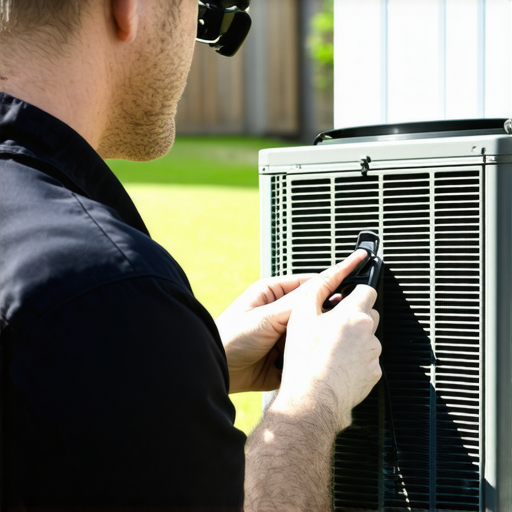
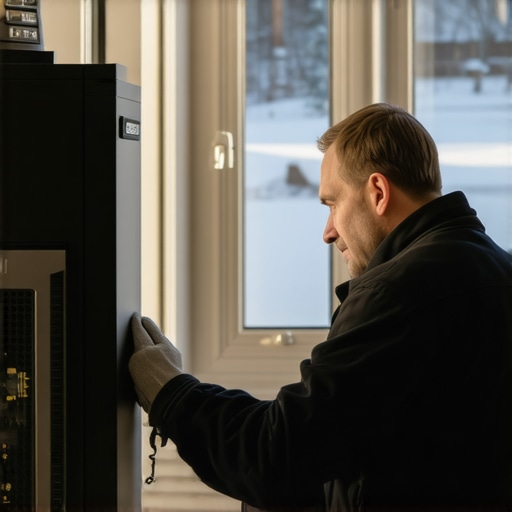
Before the cold weather hits, schedule a thorough inspection of your heating system. Think of it like a routine check-up for your car—identifying worn-out parts, leaks, or blockages early prevents breakdowns when you need heat most. I remember last winter, I caught a faulty thermostat during my initial inspection, which saved me from a freezing night. A professional inspection can reveal issues that simple visual checks might miss, ensuring everything runs smoothly.
Check and Replace Filters Regularly
Dirty filters are like clogged arteries—they restrict airflow and reduce efficiency. During my last maintenance, I replaced my filters before the season started, noticing an immediate improvement in heater performance. Aim to replace filters every 1-3 months, especially in winter when your system runs continuously. It’s a quick task that yields big results in energy savings and system longevity.
Clean and Maintain Your System Components
Dust and debris can accumulate in vents, ducts, and burners, impairing operation. Use a vacuum or brush to clean vents and registers monthly. For the burners, I hired a technician who professionally cleaned mine; it was a bit messy but worth avoiding inefficient operation and potential safety hazards. Regular cleaning ensures your system burns fuel efficiently, reducing costs and preventing breakdowns.
Inspect the Thermostat Settings
Proper thermostat calibration is vital. I once set mine too low, causing my house to cool unexpectedly. During my last check, I tested and calibrated it to match my preferred comfort level, which improved energy efficiency. Consider installing a programmable thermostat to automatically adjust temperatures at night or when you’re away, saving energy and maintaining consistent warmth.
Seal and Insulate Your Home
Leaks around windows, doors, and ductwork waste heat and increase your heating bills. I used weatherstripping and caulk to seal gaps, which noticeably improved my home’s warmth. Insulating pipes and the attic also prevents heat loss. These steps are like wrapping your home in a warm blanket, making your heating system’s job easier and more effective.
Schedule Professional Maintenance
While DIY steps are helpful, professional servicing is crucial. A trusted HVAC expert can perform comprehensive tune-ups, check refrigerant levels if using heat pumps, and ensure safety standards. I used a professional service last fall, and my system ran flawlessly through the winter. For expert assistance, consider reaching out via this contact page.
Upgrade When Necessary to Boost Efficiency
If your system is aging or inefficient, upgrading to a modern heat pump or high-efficiency furnace can make a significant difference. I invested in a new heat pump last year, which reduced my energy bills and provided reliable heating even during the coldest days. Learn more about heat pump solutions for 2025.
Many homeowners operate under assumptions about heating system maintenance that might seem logical but are actually misconceptions, leading to costly mistakes. Let’s dig deeper into these myths and uncover the truth behind effective winter preparedness.
Why Do So Many Get It Wrong When Maintaining Their Heaters
One of the most persistent myths is that simply replacing filters annually is enough to keep your heater in top shape. While filter replacement is important, it doesn’t address underlying issues like duct leaks or thermostat calibration problems that can cause inefficiency or breakdowns. In my experience, neglecting comprehensive inspections often results in unexpected failures during peak cold months.
Another common misconception is that DIY maintenance can replace professional tune-ups. While basic tasks like cleaning vents can be done at home, complex issues such as burner cleaning or refrigerant checks require expert intervention. Skipping professional maintenance can lead to safety hazards and decreased system lifespan, as highlighted by experts in HVAC repair strategies.
Beware of the Trap: Thinking Your System Is Still Good After Years of Use
Many homeowners assume that if their heater runs, it’s fine. However, systems can develop internal issues over time that diminish efficiency or pose safety risks. For example, corroded heat exchangers or worn-out blower motors might not be apparent until failure occurs. Regular professional inspections can identify these hidden problems before they cause discomfort or costly repairs.
Advanced systems like heat pumps require specific maintenance routines not often understood by the average homeowner. Neglecting these nuances can reduce efficiency and lifespan. For insights into maintaining modern heating solutions, check heat pump maintenance strategies.
Are You Overlooking Home Insulation and Duct Sealing?
Another mistake is focusing solely on the heating unit itself. Many forget that a well-insulated and sealed home reduces the load on your system, saving energy and extending its lifespan. Sealing leaks around windows and doors, and insulating ductwork, are crucial steps that often go unnoticed. As I learned, these improvements can make a significant difference in winter comfort and energy bills.
Finally, investing in a modern, high-efficiency system can be a game-changer. If your current heater is over 10 years old, consider upgrading to benefit from advances in technology and savings. For guidance on selecting the best option, visit tips for choosing heating service experts.
Have you ever fallen into this trap? Let me know in the comments. Staying informed and proactive is the key to a warm, worry-free winter.
Investing in the Right Tools for Long-Term Performance
Maintaining a heating system that keeps your home warm and safe over the years requires more than just basic knowledge—it demands the right tools. From digital multimeters to specialized cleaning equipment, having the right instruments can make all the difference. Personally, I rely on a high-quality digital multimeter to check electrical connections and ensure my thermostat wiring is functioning correctly. This device helps me troubleshoot issues quickly and accurately, saving time and preventing unnecessary repairs.
Another essential tool I recommend is a chimney brush and vacuum for cleaning vents and flues. Regular cleaning of these components prevents soot buildup and ensures proper airflow, which is vital for efficiency and safety. I also keep a set of insulated screwdrivers and pliers handy to perform minor adjustments and tighten loose connections without risking electrical shocks. Having these tools accessible means I can address small issues promptly, preventing them from escalating into costly repairs.
How do I maintain my heating system over time?
Over the years, consistent maintenance becomes crucial. I schedule professional inspections at least once a year, ideally before winter hits, to identify potential problems early. During these visits, technicians often use advanced diagnostic tools, such as refrigerant gauges and combustion analyzers, to assess system health. I also invest in a reliable programmable thermostat that can be calibrated easily, allowing me to optimize energy use and maintain consistent comfort throughout the season.
Predicting where the trend is heading, smart home integration and IoT-enabled diagnostic tools are becoming increasingly popular. These innovations will likely provide real-time monitoring and proactive alerts about system performance, allowing homeowners to prevent breakdowns before they happen. Embracing these technologies now can save you money and hassle in the future.
Make Maintenance Routine a Priority
Developing a maintenance routine helps keep your system in top shape year after year. Set reminders to replace filters, inspect ductwork, and clean vents regularly. Using a high-quality, HEPA-rated air filter not only improves indoor air quality but also reduces strain on your system, extending its lifespan. For more comprehensive guidance on preventative heating maintenance, check this detailed guide.
Remember, small investments in regular maintenance and the right tools can prevent major failures during the coldest months. Don’t wait for an emergency—be proactive and keep your heating system working smoothly all winter long.
Consider Upgrading for Enhanced Reliability
If your system is aging or showing signs of inefficiency, upgrading to a modern heat pump or high-efficiency furnace can dramatically improve performance. I recommend consulting with experts to find the best solution tailored to your home. For insights on choosing the right heating system, visit this resource. With advancements in smart technology, future systems will likely offer even more proactive maintenance capabilities, making the need for manual checks less frequent. Stay ahead of the curve by investing in reliable, IoT-enabled equipment now, and enjoy long-term comfort and energy savings.
The Unexpected Lessons That Transformed My Heating Approach
One of the most eye-opening lessons I learned was that neglecting small signs of wear can lead to big cold nights. I used to ignore my thermostat’s inconsistent performance, thinking it was no big deal—until a freezing night proved otherwise. Now, I know that regular inspections reveal hidden issues like worn-out parts or duct leaks that can sabotage winter comfort. Another insight was that DIY fixes are great for simple things, but complex problems demand professional expertise. Over time, I realized that investing in professional tune-ups not only saves money but also keeps my system running reliably through the coldest days. Lastly, I discovered that the most overlooked step is sealing home leaks; a few hours of weatherproofing can significantly reduce heat loss and extend my heater’s lifespan. These lessons weren’t obvious at first, but they’ve been game-changers in my winter readiness.
My Go-To Tools and Resources for Winter Warmth
Having the right tools makes all the difference. I rely on a high-quality digital multimeter to troubleshoot electrical issues quickly, which prevents unnecessary breakdowns. For cleaning and maintaining vents, I trust a sturdy chimney brush and vacuum—keeping airflow unobstructed is key. When it comes to professional help, I turn to trusted experts listed on their contact page. I also follow comprehensive guides like this preventative maintenance resource to stay proactive. Lastly, I’ve invested in a smart thermostat from a reputable source, which helps me optimize energy use effortlessly. These tools and resources keep my home warm and my system in peak condition, season after season.
What Will You Do Differently This Winter to Stay Warm and Safe?
Taking control of your heating system isn’t just about avoiding cold nights—it’s about creating a safe, cozy environment for your loved ones. My advice is to start with a thorough inspection, replace filters regularly, and seal home leaks. Upgrading to a modern, high-efficiency system might be the best investment you make this year, especially if your current heater is over a decade old. Remember, small proactive steps now can prevent costly emergencies later. So, what’s your game plan for winter 2024? Are you ready to implement these simple yet powerful strategies? Let me know below, and let’s keep each other warm and safe this season.