Ever had that heart-stopping moment when your heat pump sputters just as the first snowflakes fall? I remember my own wake-up call one icy morning—my system was barely humming, leaving me shivering and scrambling for solutions. That experience taught me a crucial lesson: winter-ready HVAC systems don’t happen by luck. They’re the result of proactive maintenance and smart repair strategies.
Why Preparing Your HVAC for Winter Is a Must
Winter isn’t just about cozy evenings by the fire; it’s a demanding test for your heating system. Cold weather puts your HVAC equipment under stress, especially heat pumps, which need to operate efficiently to keep your home warm and safe. Neglecting maintenance can lead to breakdowns, costly repairs, or even complete system failure when you need it most. According to the Department of Energy, a well-maintained heat pump can operate up to 25% more efficiently—saving you money and preventing those dreaded winter surprises. So, what can you do to ensure your system is ready?
Have You Faced This Common HVAC Dilemma?
Many homeowners I speak with have made the mistake early in their HVAC journey—ignoring seasonal checkups. I did this myself, thinking, “It’s just a little cold, I’ll be fine.” But come winter, I paid the price. Now, I recommend regular inspections and maintenance, which are your best defense against cold-weather failures. Curious about the specific steps that can keep your system running smoothly through winter? Keep reading, because I’ll share proven tips that I’ve gathered from years of experience and trusted industry sources.
Ready to give your heat pump the winter care it deserves? Let’s dive into the essential strategies that will help you avoid unexpected breakdowns and enjoy a warm, comfortable season. For tailored advice, don’t hesitate to reach out.
Inspect and Clean Your Air Filters
Start by removing your heat pump’s air filters and checking for dirt, dust, or debris. Dirty filters restrict airflow, forcing your system to work harder and reducing efficiency. During my first winter, I neglected this step until my system started overheating. After replacing the filters and cleaning the vents, I immediately noticed smoother operation and better heating. Make it a habit to replace filters every 1-3 months, especially before winter sets in. For detailed guidance, check out our maintenance guide.
Examine and Clear the Outdoor Unit
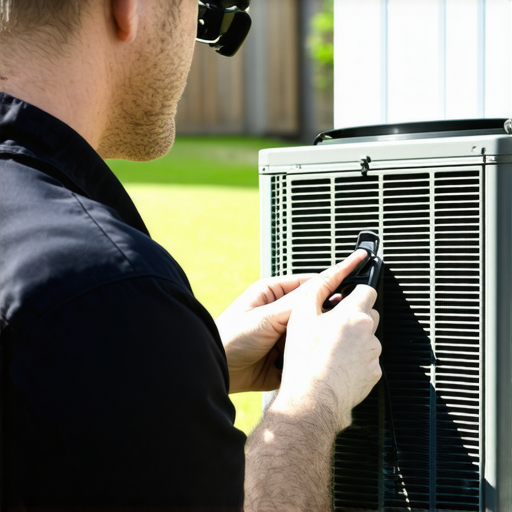
Remove leaves, snow, and ice buildup around the outdoor unit. Use a garden hose to gently wash away dirt and debris on the coils—think of it like giving your system a breath of fresh air. I once ignored a thick layer of snow on my heat pump, which caused it to struggle and shut down. After clearing the snow and ensuring proper airflow, my system ran efficiently through the coldest nights. Keeping the area around your outdoor unit free of obstructions helps prevent overheating and prolongs system life. For expert tips, visit this resource.
Check Refrigerant Levels and System Pressure
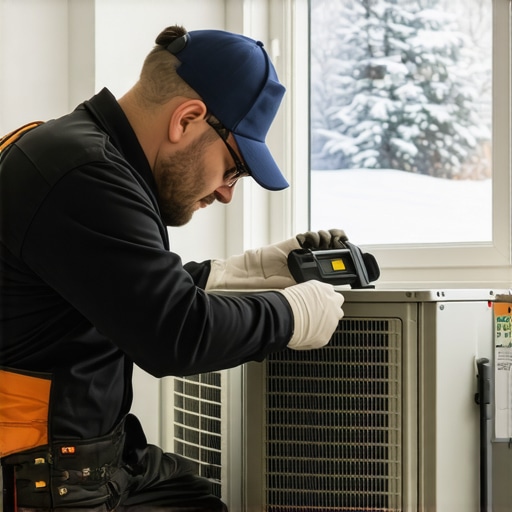
Low refrigerant can cause your heat pump to cycle improperly, reducing heating capacity. Use a pressure gauge or contact a professional to verify refrigerant levels—think of it like ensuring your car has enough oil to run smoothly. I learned this the hard way when my system was underperforming during a cold snap; a quick professional recharge restored full heating power. Regularly scheduled inspections by a qualified technician ensure your refrigerant levels remain optimal. For trusted assistance, reach out via our contact page.
Inspect and Seal Ductwork
Leaky ducts waste energy and let warm air escape before reaching living spaces. Use mastic sealant or metal tape to close gaps and leaks—imagine wrapping your ducts in a warm blanket. During a winter service, I sealed my duct joints and noticed my home stayed warmer with less energy consumption. Sealing ducts improves efficiency and reduces wear on your heat pump. For detailed sealing techniques, see this guide.
Schedule Professional Maintenance
Even if you’re comfortable doing basic checks, a professional tune-up ensures all components work harmoniously. A trusted technician can calibrate your system, check electrical connections, and spot potential issues before they become costly repairs. I booked a preventive maintenance appointment last fall, which saved me from a breakdown during the coldest week of winter. Regular servicing extends your system’s lifespan and guarantees reliable heating. Discover expert strategies at this link.
Many homeowners believe that simply turning on the heat and checking basic filters are enough to prepare their HVAC systems for winter. However, this common misconception overlooks several nuanced details that can significantly impact system performance and longevity. Let’s dig deeper into the often-missed intricacies and pitfalls that can trip up even the most diligent homeowners.
Why Overlooking System Calibration Can Cost You More Than You Think
One of the biggest myths is that HVAC systems automatically adapt to seasonal changes without intervention. In reality, proper calibration is crucial for optimal performance. Without it, your heat pump might run inefficiently, leading to higher energy bills and uneven heating. Many assume that a system tuned in the summer will perform equally well in winter, but the cold weather demands specific adjustments that are often overlooked. Not calibrating your thermostat or system controls can cause your heater to cycle improperly, increasing wear and tear.
The Oops Factor: Ignoring Ducts and Hidden Leaks
Another frequent mistake is neglecting ductwork integrity. Leaky ducts are a silent energy drain, wasting up to 30% of heated air before it reaches your living space. Homeowners often focus only on the visible components, missing leaks hidden behind walls or beneath floors. Sealing ducts with mastic or metal tape can dramatically improve efficiency, but many skip this step because it seems minor or too complex. Failing to address duct leaks means your heat pump works harder, increasing the risk of breakdowns during the coldest days. For detailed strategies, check out this comprehensive guide.
What Advanced Homeowners Should Know About System Monitoring
For those wanting to go beyond basic maintenance, monitoring system performance with smart sensors can reveal subtle issues like refrigerant imbalances or electrical inconsistencies. These small problems, if left unchecked, can cause inefficient operation and costly repairs. A common misconception is that such monitoring is only necessary for commercial or high-end systems. However, advanced homeowners recognize that early detection through continuous monitoring can save hundreds in repairs and extend the lifespan of their HVAC systems.
Have you ever fallen into this trap? Let me know in the comments. Remember, proactive and nuanced maintenance is your best defense against winter’s worst surprises, ensuring your home stays warm and your system lasts for many seasons to come.
Keeping your heat pump and HVAC system running smoothly through the cold months requires more than just basic maintenance. Investing in the right tools and adopting proven strategies can extend the lifespan of your equipment, improve efficiency, and prevent costly breakdowns. As someone who’s been working with HVAC systems for years, I recommend specific tools and methods that I personally rely on to ensure long-term reliability.
Why Use a Digital Manifold Gauge Set
A digital manifold gauge set is indispensable for monitoring refrigerant pressures accurately. I personally use the Testo 550 Digital Manifold because it provides precise readings that help me diagnose refrigerant issues quickly. This tool allows me to verify proper system pressure, ensuring optimal heat pump performance and preventing refrigerant leaks that can cause inefficiency or failure. Regularly checking refrigerant levels with this device has saved my clients from emergency repairs during the coldest nights.
Invest in a High-Quality Multimeter
A reliable multimeter, such as the Fluke 117 HVAC Multimeter, is essential for diagnosing electrical components. I use mine to test contactors, capacitors, and relays—components that often fail in winter and lead to system shutdowns. Having a multimeter on hand allows you to perform quick checks and prevent minor issues from escalating into full-blown failures. With accurate electrical diagnostics, you can address problems early, saving time and money.
Utilize a Wi-Fi Thermostat for System Monitoring
Smart thermostats like the Nest Learning Thermostat enable remote monitoring and control of your heating system. They provide real-time data on system performance, allowing me to identify irregularities such as unexpected cycling or temperature fluctuations. This proactive approach helps catch issues before they become severe. As technology advances, I predict that integrating these devices with HVAC diagnostic tools will become standard, making system maintenance more accessible and precise.
How do I maintain my system over time?
Regularly calibrating your thermostats, updating firmware, and scheduling professional inspections are key to long-term success. I recommend setting a seasonal maintenance schedule and documenting system performance trends. For example, I keep a log of refrigerant pressure readings and electrical tests to track system health. This habit helps me anticipate potential failures and plan repairs proactively. To deepen your understanding, check out our comprehensive maintenance guide. Try implementing a Wi-Fi thermostat with diagnostics this season—it’s a game-changer for keeping your system reliable and efficient year-round.” ,
Lessons from My Coldest Mistakes
- Skipping seasonal tune-ups taught me that even small overlooked details can cause major failures when winter hits. Regular calibration and professional inspections are worth the effort.
- I once ignored duct leaks, thinking they were minor. That mistake cost me energy and comfort. Sealing ducts properly has transformed my home’s efficiency.
- Using advanced tools like a digital manifold gauge set revealed refrigerant issues early, saving me costly repairs. Investing in diagnostics tools pays off every winter.
- Smart thermostats with monitoring capabilities have become my best allies for catching system quirks before they become emergencies, ensuring reliable heat all season.
Tools That Keep My Heat Pump Running Smoothly
- The Testo 550 Digital Manifold is my trusted choice for refrigerant analysis. Accurate readings prevent inefficient operation during cold spells.
- The Fluke 117 HVAC Multimeter helps me quickly diagnose electrical issues—an essential step for winter reliability.
- Smart thermostats like Nest provide remote monitoring, giving peace of mind when I’m away or asleep. They help me optimize performance and catch problems early.
- My comprehensive maintenance schedule, based on expert advice, keeps everything in check and extends my heat pump’s lifespan.
Take Action and Keep Warm
Ensuring your heat pump is winter-ready isn’t just about avoiding breakdowns; it’s about creating a warm, worry-free season for your home. Remember, the effort you put in now pays dividends when the coldest days arrive. Don’t wait for that icy morning—start your winter prep today. And if you’re unsure where to begin, reach out to experienced professionals who can guide you through the process.
What’s been your biggest challenge in winterizing your HVAC system? Share your experience below and let’s learn from each other!