Last winter, I found myself shivering in my own home, even though I had a heat pump that was supposed to keep me warm. It was a wake-up call that even the best equipment can fail if not properly maintained, especially when the cold hits hard. That moment of frustration turned into a mission: I had to learn how to keep my heat pump running smoothly through winter’s worst. If you’ve experienced similar cold-weather surprises, you’re not alone—and today, I’m here to share the solutions that can prevent those chilly mornings from becoming a routine.
Why Proper Heat Pump Maintenance Matters in Cold Weather
When temperatures drop, your heat pump becomes more than just a comfort device; it’s a critical safety feature. A neglected system can struggle or even break down, leaving you in the cold and risking costly repairs. According to the Department of Energy, regular maintenance can improve the efficiency of your heat pump by up to 25%, which means lower bills and more consistent warmth during winter. That’s a win-win, especially when you’re trying to stay cozy without breaking the bank.
Are You Wasting Money on Unnecessary Repairs?
Early in my own experience, I made the mistake of ignoring simple maintenance tasks, thinking they were optional. I learned the hard way that skipping routine checks can lead to bigger problems. For example, I once neglected to clean the filters, which caused my system to overheat and shut down. Now, I make sure to follow expert advice on preventative care, like the tips found here. Proper upkeep not only extends the lifespan of your system but also saves you money and stress in the long run.
If you’re wondering how to get started, don’t worry. The next sections will walk you through easy, effective steps to ensure your heat pump is winter-ready. Trust me, a little preventative effort now can make all the difference when the temperatures plummet. Ready to keep your home warm and safe all winter? Let’s dive into the practical maintenance tips that will make your system perform at its best when it counts.
Check and Replace Air Filters Regularly
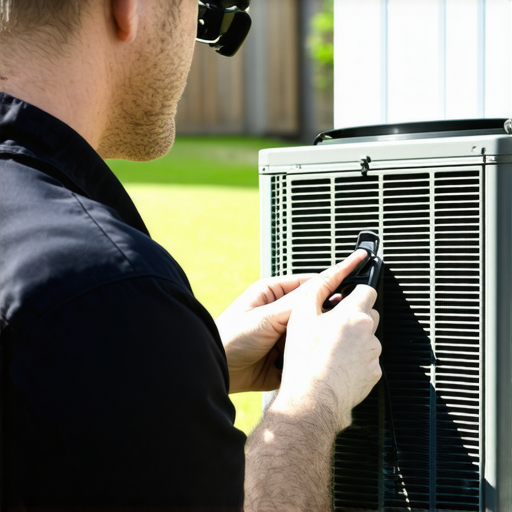
One of the simplest yet most effective steps I took was changing my heat pump’s air filters monthly during winter. I remember a particularly chilly December when I neglected this task, and my system started to strain, reducing airflow and efficiency. Replacing filters is like giving your system clean lungs—blocked filters choke the airflow, making the unit work harder and risking breakdowns. To do this, turn off your heat pump, locate the filter compartment, and swap out old filters for new ones suitable for your system. For detailed guidance, visit this resource.
Many homeowners believe that once their heat pump is installed and functioning, little more maintenance is required beyond the occasional filter change. However, this misconception can lead to costly repairs and inefficient operation, especially during the demanding winter months. Let’s dig deeper into some of the most common myths and reveal the nuanced truths that can make a significant difference in your system’s performance.
What Most People Get Wrong About Heat Pump Maintenance
One prevalent myth is that annual maintenance is sufficient for keeping a heat pump in top shape. In reality, especially in colder climates, more frequent check-ins are advisable. According to HVAC experts, bi-annual inspections, including coil cleaning, refrigerant level checks, and electrical system analysis, help prevent small issues from escalating. Relying solely on annual tune-ups often results in overlooked problems that can cause system failure when you need it most.
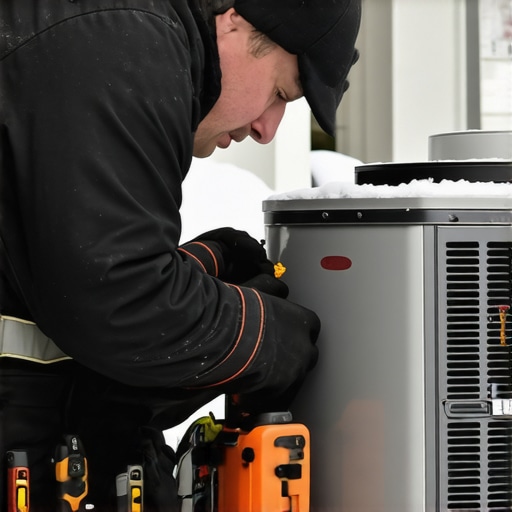
Another misconception is that neglecting the outdoor unit during winter won’t cause problems. People assume that snow, ice, and debris won’t impair performance, but buildup can block airflow and damage coils. A common trap is ignoring snow removal from the unit, which can lead to inefficiencies or even system shutdowns. Regularly clearing the area around your outdoor unit and ensuring proper insulation can extend its lifespan and maintain efficiency.
Beware of Over-Maintaining or Over-Troubleshooting
While regular maintenance is crucial, over-tuning or excessive troubleshooting without professional guidance can do more harm than good. Many homeowners attempt DIY repairs based on online advice, risking misdiagnosis and voiding warranties. It’s essential to recognize the limits of your expertise and trust qualified technicians for complex issues. For instance, refrigerant handling requires specialized skills and equipment, as improper charging can reduce efficiency and damage the compressor. When in doubt, consult trusted services like professional heating experts.
How Can You Ensure Your System Is Truly Winter-Ready?
Beyond basic filter changes and outdoor area maintenance, consider proactive steps like scheduling a comprehensive system check before winter hits. This includes inspecting electrical connections, verifying thermostat calibration, and ensuring defrost functions operate correctly. These advanced steps can prevent unexpected breakdowns and ensure your heat pump delivers reliable warmth throughout the season. For detailed strategies, visit this guide.
Remember, a well-maintained heat pump is not just about avoiding discomfort; it’s about optimizing safety, efficiency, and longevity. Don’t fall into the trap of complacency—your winter comfort depends on it. Have you ever fallen into this trap? Let me know in the comments.
Maintaining your heat pump over time requires more than just routine checks; it involves leveraging the right tools and adopting proactive strategies that ensure longevity and efficiency. One of my go-to tools is a digital manifold gauge set, which I personally use to verify refrigerant levels and diagnose pressure-related issues quickly. Unlike basic pressure gauges, digital models provide precise readings and data logging capabilities, making troubleshooting far more efficient. Regularly checking refrigerant charge with this tool prevents issues like low efficiency or compressor failure, especially during cold months when the system is under extra stress.
Another indispensable device is a high-quality infrared thermometer. I rely on this to identify uneven heating or cold spots around the outdoor unit and ductwork, which can indicate airflow obstructions or insulation problems. Spotting these issues early with an accurate infrared thermometer saves me from costly repairs and keeps my system running at peak performance. I recommend investing in a model with a laser pointer for precise targeting and a wide temperature range to cover different diagnostic needs.
For ongoing maintenance, I use a smartphone app that tracks maintenance schedules and system performance metrics. Apps like this one help me set reminders for filter changes, refrigerant checks, and filter cleaning, ensuring nothing slips through the cracks. Monitoring system trends over time allows me to anticipate potential failures before they become serious problems, saving both money and discomfort.
Looking ahead, I predict that the integration of smart diagnostics and IoT sensors will revolutionize heat pump maintenance. Future systems will continuously monitor vital parameters and alert homeowners or technicians when intervention is needed, reducing downtime and extending equipment lifespan. Already, some manufacturers incorporate predictive analytics that analyze operational data to forecast failures—making preventive maintenance more effective than ever.
How do I maintain my heat pump over time?
To keep my heat pump performing reliably year-round, I combine these advanced tools with regular professional inspections. Scheduling an annual professional tune-up—focusing on coil cleaning, electrical connections, and refrigerant levels—is crucial. I also make a habit of visually inspecting the outdoor unit after storms or heavy snowfall, ensuring debris or ice isn’t impeding airflow. Trusting experts through this resource helps me stay informed about the latest maintenance techniques and innovations.
Don’t underestimate the power of proactive maintenance; even simple steps like keeping a digital log of system performance can dramatically improve reliability. Try incorporating a smart app to track your system’s health today and see how it transforms your maintenance routine. Remember, a well-maintained heat pump can deliver years of efficient, trouble-free service—and that peace of mind is priceless.
The Hardest Lessons I Learned About Winter Heat Pump Care
One of my biggest revelations was realizing that even a high-quality heat pump can falter if I neglect simple maintenance tasks. I once ignored checking the outdoor coil after a heavy snowfall, only to find my system struggling to warm my home. That lightbulb moment taught me that proactive outdoor area care is crucial for winter performance.
Another lesson came from thinking that annual tune-ups were enough. In colder climates, I discovered that bi-annual inspections, including coil cleaning and refrigerant checks, are essential to prevent unexpected breakdowns when the temperatures drop. This insight has saved me from costly repairs and discomfort.
Finally, I learned that over-troubleshooting without professional help can cause more harm than good. DIY fixes are tempting but can void warranties or lead to misdiagnosis. Trusting qualified technicians ensures my system stays reliable through winter’s worst.
My Essential Toolkit for Heat Pump Longevity
Investing in a digital manifold gauge set has transformed my maintenance routine. It provides precise refrigerant level readings, helping me catch issues early. Pairing this with a high-quality infrared thermometer allows me to identify uneven heating or airflow obstructions before they escalate, saving time and money.
To keep everything organized, I use a maintenance tracking app, which reminds me of filter changes and inspection schedules. These tools, combined with professional annual check-ups, create a comprehensive approach to winter-ready heat pump care.
Your Turn to Take Action
Proper heat pump maintenance is a game-changer for winter comfort, safety, and efficiency. By adopting these strategies, you can avoid chilly surprises and extend your system’s lifespan. Remember, a little effort now pays off during those freezing mornings when you need your home to be reliably warm.
What’s the one maintenance task you find most challenging or easy to forget? Share your experience below—I’d love to hear your story and help you stay warm all winter long!
This article really highlights how crucial regular maintenance is, especially for those of us in colder climates where a heat pump takes on a critical role during winter. I remember last year I overlooked changing the filters on time, and my system struggled to keep up during the cold snap. It was a clear reminder that even minor neglect can cause bigger issues when it’s cold outside. Since then, I’ve started tracking my maintenance tasks with a handy app, and I always make sure to clear the outdoor unit of snow and debris after storms. Has anyone tried using remote monitoring or smart thermostats to keep an eye on their system’s health? I’m curious if that adds an extra layer of peace of mind during harsh winters.