One particularly frigid December night, I found my heating system sputtering and finally giving out just when I needed it most. It was a gut-wrenching moment—cold air seeped in, and I realized I had overlooked crucial maintenance steps. That night was my lightbulb moment. I understood firsthand how a small neglect could lead to a freezing home and costly repairs. Since then, I’ve dedicated myself to understanding effective HVAC repair strategies that ensure your system keeps running smoothly all winter long.
Why Winter HVAC Performance Can Make or Break Your Comfort
As winter approaches, the importance of a reliable heating system skyrockets. A well-maintained HVAC system doesn’t just keep you warm; it prevents costly breakdowns, saves energy, and ensures safety during the coldest months. But many homeowners overlook simple, proactive steps until it’s too late—like I did that night. According to the Department of Energy, proper winter maintenance can reduce heating costs by up to 30%. That’s a significant saving, especially during peak cold weather.
Have You Faced the Panic of a Broken Heater in the Dead of Winter?
If you’ve ever experienced the shock of a sudden system failure, you know how stressful it can be. Early on, I made a mistake I see many others repeat: ignoring routine checks and skipping preventative maintenance. It’s tempting to think your system will last forever, but that’s a risky game. Regular inspections, cleanings, and timely repairs are the best insurance against cold nights and hefty bills. Want to learn how to avoid that panic? Stick around, because I’ll share proven strategies that prolong your system’s life and keep your home warm when it matters most.
For comprehensive guidance, check out this detailed preventative maintenance guide. And if you’re unsure about your current setup, don’t hesitate to reach out to expert technicians who can help you prepare for winter’s worst. Ready to turn your HVAC into a winter-ready powerhouse? Let’s dive into the practical strategies that will keep your home cozy, safe, and energy-efficient all season long.
Inspect Your System Like a Pro
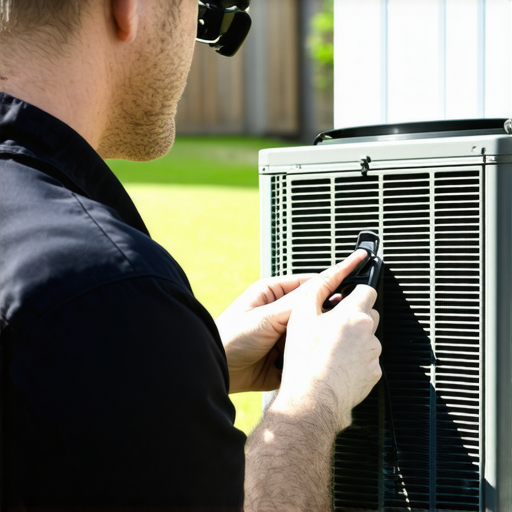
Start with a thorough visual inspection of your HVAC unit. I remember the first time I did this; I found debris clogging the vents, which was an easy fix but made a huge difference in efficiency. Look for loose wiring, rust, or leaks that could cause breakdowns during peak cold. Use a flashlight and a mirror to check hidden spots and ensure all components are in good condition.
Check the Thermostat Settings
Next, verify your thermostat’s accuracy. I once had a thermostat that was off by two degrees, leading to uneven heating. Replace the batteries if needed, and consider upgrading to a programmable thermostat for better control. Proper thermostat calibration ensures your system operates efficiently and prevents unnecessary wear.
Clean and Maintain Critical Components
Clogged filters are the enemy of a healthy HVAC system. I learned this the hard way when my system was struggling to heat in winter. Replace filters every 1-3 months, especially during heavy use. Also, clean the blower assembly and evaporator coils to improve airflow and heat exchange. These steps are like giving your system a spa day—simple but impactful.
Lubricate Moving Parts
Friction is a silent killer. I once ignored the blower motor, which eventually burned out. Apply lubricant to motors and fans to reduce wear. Check manufacturer specs for recommended lubricants, and don’t overdo it—less is more. Proper lubrication extends the lifespan and prevents sudden failures when cold weather hits.
Test System Performance Under Load
After initial maintenance, run your system through a test cycle. I once discovered a strange banging noise during testing, which led me to tighten loose belt connections. Listen for unusual sounds, check airflow, and verify temperature outputs. This hands-on step helps catch issues early before winter’s cold snap leaves you in the cold.
Schedule Professional Tune-Ups
While DIY fixes are great, professional maintenance ensures everything is optimized. I regularly consult experts who perform comprehensive system checks, including refrigerant levels and electrical diagnostics. Think of this as a health check-up for your HVAC—worth every penny for peace of mind. For trusted help, check out this preventative maintenance guide.
Upgrade for Efficiency and Reliability
If your system is aging or underperforming, consider upgrades like heat pumps. I installed one last year, and it transformed my winter energy bills. Modern units are more efficient and reliable, especially if paired with smart controls. For the best solutions, explore heat pump options for 2025.
Many homeowners operate under misconceptions about winter HVAC care, which can lead to costly mistakes. One widespread myth is that once your system is working at the start of the season, no further maintenance is necessary. In reality, ongoing inspections and tune-ups are crucial for preventing unexpected breakdowns. According to HVAC experts, neglecting these steps is a common trap that often results in system failures during peak cold months. For example, ignoring minor leaks or failing to check refrigerant levels can cause your unit to struggle or fail altogether when you need it most. Don’t fall into this trap. Regular professional maintenance, like those outlined in preventative maintenance guides, ensures your system remains reliable and efficient throughout winter.
Why do so many people get the importance of system checks wrong?
It’s because a lot of homeowners believe that a quick visual inspection or a simple filter change is enough. However, the real nuance lies in understanding the system’s hidden vulnerabilities—like corrosion inside components or electrical issues that aren’t visible on the surface. These problems can silently worsen, leading to breakdowns at the worst possible time. Experts recommend scheduling professional tune-ups at least once a year, ideally before winter hits, to catch these issues early. This approach not only extends your system’s lifespan but also prevents the costly emergency repairs that many experience after neglecting maintenance.
Additionally, some believe that upgrading to high-efficiency models is unnecessary if their current system seems to work fine. But as noted in heat pump upgrade resources, newer units offer advanced diagnostics and smarter controls that significantly improve reliability and energy savings. Investing in these upgrades can be a game-changer, especially if your current system is over 10 years old or frequently malfunctions.
Have you ever fallen into this trap? Let me know in the comments. Remember, the key to a cozy, safe winter isn’t just about the system’s initial performance but ongoing, expert care to keep everything running smoothly—so don’t skimp on maintenance or ignore those subtle warning signs. For professional help, consider reaching out through this contact page and get your system winter-ready today!
Keeping Your HVAC System in Top Shape with the Right Tools
Maintaining a reliable HVAC system over time requires more than just basic knowledge; it demands the right tools and a systematic approach. Personally, I rely on a few specific pieces of equipment that have proven invaluable for efficient and thorough maintenance. One such tool is a digital manifold gauge set, which I use to check refrigerant levels accurately. Unlike traditional analog gauges, digital models provide precise readings, reducing the risk of overcharging or undercharging the system, which can impair performance and longevity. Expert tips recommend regular refrigerant checks, especially before winter, to ensure your system operates efficiently and safely.
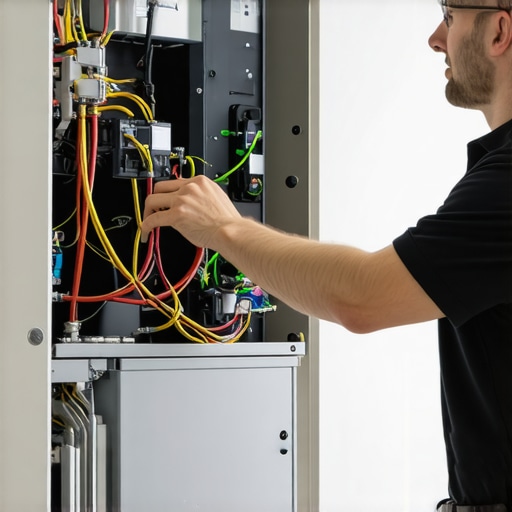
Another essential item in my toolkit is a multimeter. I use it to diagnose electrical issues swiftly. Proper electrical diagnostics prevent costly repairs and prevent system failures during the coldest months. Investing in a good multimeter with auto-ranging capabilities has saved me countless hours of troubleshooting. It’s also crucial to keep a set of insulated screwdrivers and wire connectors handy, enabling quick repairs or adjustments without risking electrical shock.
Why I Swear by Preventative Maintenance Software
Beyond physical tools, I also utilize preventative maintenance software—specifically, HVAC management apps that schedule and log regular inspections and repairs. These platforms remind me when filters need changing, when to schedule professional tune-ups, and track system performance over time. This proactive approach ensures nothing slips through the cracks, ultimately prolonging the HVAC system’s lifespan. As guides suggest, consistent monitoring and scheduled maintenance are key to avoiding emergency breakdowns.
Long-Term Results from Consistent Tool Use
Using specialized tools consistently leads to more reliable, energy-efficient operation, and fewer emergency repairs. I’ve seen firsthand how regular refrigerant checks and electrical diagnostics prevent system failures, especially during winter when a breakdown could leave you in the cold. Over time, this disciplined approach pays off through lower energy bills and increased system longevity. I predict that in the future, integrating smart diagnostic tools—like IoT-enabled sensors—will make maintenance even more precise and less time-consuming, enabling homeowners to catch issues before they escalate.
How do I Maintain My HVAC System Over Time?
The secret lies in a routine that combines the right tools, scheduled inspections, and professional support. Regularly consulting repair strategies and maintenance tips helps optimize performance. I also recommend trying out advanced diagnostic tools such as leak detectors or thermal imaging cameras, which can identify hidden issues like refrigerant leaks or insulation failures early on. These tools are investments that save money and hassle in the long run. Don’t forget to document your maintenance activities; digital logs can help identify patterns and inform better decisions. If you’re unsure about how to start, reaching out to experts through professional consultation can set you on the right path. Remember, a well-maintained HVAC isn’t just about comfort; it’s about peace of mind—so equip yourself with the right tools and knowledge to keep it working flawlessly for years to come.
The Hardest Lesson I Learned About Winter HVAC Maintenance
One cold winter night, I realized that neglecting small maintenance tasks had left my home freezing and my wallet hurting. That experience taught me that even minor checks can prevent major failures, saving you time and money. I learned the importance of routine inspections and proactive care, which now form the foundation of my approach to winter HVAC readiness.
My Mistake Was Ignoring Early Warning Signs
I used to think that once my heating system turned on, it was good to go all season. But I discovered that small issues like clogged filters or loose wiring could silently worsen, leading to costly repairs or breakdowns at the worst time. The lesson? Regular check-ups and timely repairs are essential for reliable winter warmth.
Upgrading Systems Can Be a Game-Changer
Older HVAC units often struggle during cold snaps. Investing in modern, energy-efficient heat pumps and smart controls has transformed my winters. These upgrades not only improve reliability but also cut energy costs, proving that staying current with technology pays off in comfort and savings.
Where to Go from Here
For those serious about winter HVAC success, I recommend exploring this comprehensive preventative maintenance guide. It covers everything from DIY inspections to scheduling professional tune-ups. And if you’re unsure about your current system’s health, don’t hesitate to reach out to experienced technicians who can help you prepare for winter’s worst.
Why I Trust These Tools and Tips
My toolkit includes a digital manifold gauge set for precise refrigerant checks, a multimeter for electrical diagnostics, and software that schedules maintenance reminders. These tools have helped me catch issues early, avoiding emergencies during cold weather. I believe that combining reliable tools with professional advice creates the best defense against winter HVAC failures.
Your Turn to Try
Are you ready to implement these winter HVAC tips and keep your home warm and safe? Small changes today can prevent big problems tomorrow. Share your experiences or ask questions below—I’d love to hear how you’re preparing for winter’s chill!
This article really hit home for me, especially the focus on proactive maintenance rather than reactive repair. I had a similar experience last winter where I neglected to check my system’s filters and wiring before the coldest part of the season. The result was a mid-night surprise with no heat, which was both stressful and costly. Since then, I’ve started scheduling regular inspections and upgrading to a smart thermostat that reminds me when to replace filters or call in professionals. I think one overlooked aspect is the importance of sealing drafts and insulating pipes—these small steps can complement HVAC maintenance very effectively. Has anyone here tried a DIY blower door test or insulation checks along with routine HVAC maintenance? Would love to hear what works best for others to improve overall winter readiness.
This post offers a solid reminder that winter HVAC prep isn’t just about flipping a switch and hoping for the best. I agree with the importance of routine inspections and maintenance; from my experience, neglecting simple tasks like cleaning filters or checking wiring can lead to failures at the worst times. I’ve also found that sealing leaks around doors and windows, along with insulating exposed pipes, greatly enhances heating efficiency and comfort during the cold months. When I integrated these small steps with my HVAC tune-ups, I noticed a significant difference—not just in warmth but in energy savings as well. Have any readers tried combining draft-proofing or pipe insulation with regular HVAC maintenance? It seems like a holistic approach could really avoid those chilling surprises. Maintenance is essential, but I believe that addressing home envelope issues is just as critical in maintaining a cozy winter home. Would love to hear other tips or experiences on maximizing winter preparedness.
This article really hit home for me, especially about the importance of proactive maintenance before winter hits. I had a similar experience a couple of years ago when I overlooked replacing my filters and didn’t get a professional tune-up in time. When the coldest snap arrived, my heater struggled to keep up, and I ended up dealing with a costly repair. Since then, I’ve made it a point to schedule regular maintenance and inspections, and it’s made such a difference. I also started sealing drafts and insulating pipes, which has improved my home’s energy efficiency and comfort. Has anyone tried combining these home envelope improvements with routine HVAC checks? I’d love to hear what strategies have worked best for others to stay warm and avoid emergency repairs during harsh winter months.