One cold winter night, I sat shivering because my heat pump refused to turn on. It was a frustrating wake-up call. I realized that even with the best equipment, neglecting simple maintenance or ignoring early warning signs can turn a cozy home into a cold nightmare. If you’ve ever been caught off guard by a heating failure during the depths of winter, you know exactly what I mean. That moment of helplessness pushed me to learn everything I could about maintaining reliable heating systems, especially heat pumps, which are becoming more popular for their efficiency and environmental benefits.
Why Winter Heating Reliability Should Be Your Priority
As temperatures plunge, your heating system becomes your best friend—or your worst enemy. A reliable heat pump or furnace can mean the difference between a warm, comfortable home and a chilly, miserable one. The truth is, many homeowners overlook routine checks until it’s too late. According to the Department of Energy, a well-maintained HVAC system can operate up to 30% more efficiently and last longer. That’s not just about comfort; it’s about saving money and avoiding emergency repairs when the cold hits hardest. If you’ve ever faced a sudden breakdown with no backup plan, you know how stressful it can be. The good news? Most issues are preventable with simple, expert tips that I’ve gathered over years of experience.
Is Heating Maintenance Really Worth the Hype
Initially, I thought regular maintenance was a waste of time and money. I made the mistake of waiting until my system failed to call in a professional. That was a costly lesson. Now, I swear by scheduled check-ups and minor tune-ups. These proactive steps can catch problems early, improve efficiency, and extend your system’s lifespan. For instance, cleaning filters, inspecting refrigerant levels, and ensuring the thermostat is calibrated can make a world of difference. If you want to keep your home warm and your energy bills low, don’t skip these essential steps. And if you’re unsure where to start, I recommend consulting trusted resources like this guide for detailed maintenance tips.
What’s Next? Practical Steps for Winter-Ready Heating
Now that I’ve shared my story and emphasized the importance of maintenance, let’s dive into the specific strategies that will keep your heating system running smoothly all winter long. Whether you own a heat pump, furnace, or boiler, the right care can save you from discomfort and costly repairs. Ready to learn the essentials? Keep reading to discover the expert-approved tips that have kept my home warm year after year.
Inspect Your Filters and Vents Regularly
During my first winter with a heat pump, I learned that clogged filters and blocked vents drastically reduce efficiency and strain the system. I make it a habit to check filters every month, especially before the cold hits. Replacing or cleaning filters ensures proper airflow, much like clearing a clogged artery keeps blood flowing smoothly. I once waited too long, and my system struggled to heat my home, leading to a costly repair. Now, I keep spare filters on hand and schedule routine replacements, which I recommend doing at least once a month during winter.
Clean or Replace Filters
Remove the filter from your system and inspect for dust, debris, or mold. If dirty, wash reusable filters with warm, soapy water and let them dry completely. For disposable filters, replace them with new ones, ensuring they fit snugly. Proper filter maintenance boosts system efficiency and indoor air quality. For detailed guidance, visit this comprehensive guide.
Check Thermostat Settings and Calibration
One cold night, I realized my thermostat was set to a higher temperature than I thought, causing my heat pump to work harder than necessary. I now verify the thermostat’s settings regularly and calibrate it if needed, much like tuning a musical instrument. An accurate thermostat ensures your system runs only when needed, saving energy and preventing unnecessary wear. To optimize your thermostat, consider upgrading to a smart model that learns your habits and adjusts accordingly, which can be especially helpful during unpredictable winter weather.
Test and Calibrate
Set your thermostat to a comfortable temperature and wait 15 minutes. Then, compare the room temperature with the thermostat reading using a reliable thermometer. If there’s a discrepancy, recalibrate or replace the thermostat. Some models allow easy calibration through settings; others may require professional assistance. For advanced options, check heat pump solutions for efficiency.
Inspect and Clean Outdoor Units
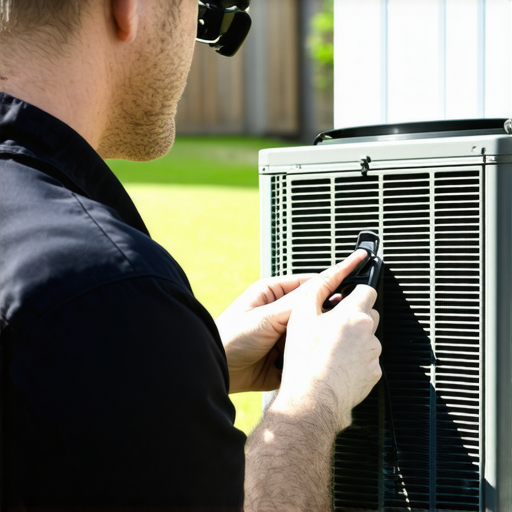
During winter, debris like leaves, snow, and ice can block your outdoor heat pump unit, reducing its efficiency. I once ignored this step and ended up with a frozen coil that needed emergency thawing. Now, I clear snow and brush away debris regularly, much like cleaning a clogged drain. Using a gentle hose or brush, I remove dirt and ice buildup. Protecting the unit with a cover during heavy snowfall can also extend its lifespan. Regular outdoor inspections help prevent system failures and maintain optimal performance.
Clear Debris and Snow
Remove any leaves, dirt, or snow from around the unit. Avoid using sharp tools that could damage fins. If ice forms, carefully melt it with warm water or a soft brush. Do not use harsh chemicals or high-pressure water, as they can harm the system. For more detailed outdoor maintenance, visit strategies to extend your system’s life.
Schedule Professional Maintenance Before Peak Cold
While DIY tasks are vital, professional inspections catch issues you might miss. I schedule a comprehensive check-up in early fall, ensuring refrigerant levels, electrical connections, and overall system health are optimal. Think of this as a yearly health exam for your HVAC system—preventive care that saves money and stress later. Experts can identify hidden problems, like worn components or minor leaks, and fix them before winter’s worst. For trusted service, contact professional HVAC technicians.
Book an Annual Tune-Up
Arrange for a certified technician to inspect and service your system. They will clean coils, check refrigerant, and test system controls. This proactive approach ensures your heating system operates at peak efficiency when you need it most, much like a well-tuned car ready for a long winter drive. Additionally, ask about upgrades or repairs that may improve reliability, especially if your system is aging.
Many homeowners believe that once their heating system is working, no further maintenance is necessary until the next season. However, this misconception can lead to unexpected breakdowns during the coldest days. In reality, neglecting nuanced aspects of winter heating maintenance can cause efficiency drops, increased energy bills, and even system failure. For example, some think that replacing filters alone suffices, but advanced issues like refrigerant leaks or thermostat calibration mistakes are often overlooked. These hidden nuances require a deeper understanding and proactive approach to ensure reliable winter warmth.
One common myth is that outdoor units don’t need attention during winter. This is false; debris buildup, ice formation, and snow accumulation can impair performance. Regularly clearing the area and inspecting fins prevents blockages that could strain the compressor or cause system shutdowns. Additionally, some assume thermostat calibration is a one-time task. In reality, temperature sensors can drift over time, especially in extreme cold, leading to inefficiency. Regular testing and recalibration help maintain precise control, saving energy and prolonging system life. For advanced homeowners, upgrading to smart thermostats that learn your habits can optimize comfort and efficiency, but they still require periodic calibration and updates.
What advanced mistakes do homeowners often make that compromise heating reliability?
One often overlooked mistake is ignoring the refrigerant levels in heat pumps. Low refrigerant not only causes inefficiency but can also damage the compressor if left unaddressed. According to HVAC experts, refrigerant leaks are a leading cause of heat pump failures in winter. Regular professional inspections can catch these leaks early, preventing costly repairs. Another critical nuance involves electrical connections. Vibrations and temperature fluctuations can loosen wires over time, creating safety hazards or system failures. Routine checks by qualified technicians ensure all connections are secure and functioning properly. Remember, these advanced issues are less obvious but crucial for long-term reliability. Don’t fall into the trap of thinking DIY fixes are enough; professional maintenance is vital for detecting hidden problems before they escalate. For more detailed insights, visit this comprehensive guide and ensure your heating system is winter-ready.
Finally, understanding the importance of system age and component wear helps prevent surprise failures. Even well-maintained systems may degrade over time, especially if not upgraded or replaced when necessary. Consulting with trusted HVAC experts can help plan for future upgrades or repairs, ensuring your home remains warm and safe throughout winter. Remember, proactive care and awareness of nuances can make all the difference in maintaining a reliable heating system. Have you ever fallen into this trap? Let me know in the comments.
Investing in the Right Tools Ensures Long-Term Performance
Keeping your heating system running smoothly throughout winter requires more than just routine checks; it demands the right tools. One of my personal favorites is a high-quality digital multimeter. This device allows me to quickly test electrical components, ensuring connections are solid and identifying potential issues before they escalate. I prefer models like the Fluke 115, known for their durability and precision, which I use to verify voltage and continuity in system wiring, saving me time and money by catching problems early.
Using Advanced Thermometers for Precise Calibration
A reliable infrared thermometer is indispensable for maintaining optimal system performance. I rely on the Fluke 62 MAX Plus because it provides accurate temperature readings from a safe distance, especially when checking outdoor units or ductwork. Precise temperature measurements help me verify that thermostats are calibrated correctly and that heat transfer components aren’t overheating or underperforming. Regular calibration of thermostats with these tools ensures your system responds accurately to temperature settings, which is crucial during frigid winter days.
Maintaining Cleanliness with Professional-Grade Vacuums and Brushes
Cleaning the outdoor unit and internal components requires specialized equipment. I recommend using a blower with adjustable airflow, like the DEWALT DCE811, to clear leaves, dirt, and debris without damaging delicate fins. For deeper cleaning, I use soft brushes designed specifically for HVAC fins, preventing damage while removing stubborn dirt. Regular cleaning prevents blockages that can cause system strain or failure, extending the lifespan of your heat pump or furnace.
Why Upgrading to Smart Monitoring Systems Is a Game-Changer
Looking ahead, the trend is shifting toward smart HVAC monitoring systems. Platforms like the Nest Learning Thermostat or Ecobee smart sensors collect real-time data on system performance and indoor climate, sending alerts if anything deviates from normal. These tools empower homeowners to address minor issues remotely, preventing costly repairs and ensuring continuous comfort. As technology advances, integrating these systems into your maintenance routine will become essential for seamless, long-term operation.
How do I maintain my heating system over time?
Consistency is key. Regularly scheduled inspections combined with the use of precise diagnostic tools allow you to spot issues early. I recommend setting calendar reminders for monthly filter checks, thermostat calibration, and outdoor unit inspections. Investing in quality diagnostic equipment and staying informed about new smart monitoring options can significantly improve your system’s longevity and performance—saving you money and stress each winter. For expert guidance or professional maintenance, don’t hesitate to reach out to trusted HVAC technicians.
The Hardest Lesson I Learned About Winter Heating Maintenance
One of the most valuable lessons I learned was that neglecting simple maintenance tasks can lead to freezing nights and costly repairs. Regularly checking filters and outdoor units isn’t just routine—it’s essential for avoiding unexpected breakdowns during the coldest months. I once ignored this advice and paid dearly for it, but now I know that proactive care saves money and stress.
3 Myths About Winter Heating That Might Hold You Back
Many homeowners believe that once their heat pump is working, no further maintenance is necessary until spring. This misconception can cause system failures when you need warmth the most. Another myth is that outdoor units don’t need attention in winter; in reality, debris and ice can impair performance if not managed properly.
What Experts Won’t Tell You About Staying Warm
Professionals know that refrigerant leaks and loose electrical connections are silent killers of heating reliability. These issues often go unnoticed without professional inspection, yet they can cause major failures. Regular tune-ups can detect and fix these hidden problems before they turn into winter nightmares.
Curated Tools That Make Winter Maintenance Easier
My essential toolkit includes a high-quality digital multimeter for electrical checks, like the Fluke 115, which helps me verify system voltage and continuity. An infrared thermometer, such as the Fluke 62 MAX Plus, ensures thermostat calibration and outdoor unit temperature accuracy. For outdoor cleaning, a blower like the DEWALT DCE811 makes clearing debris effortless. Investing in these tools has transformed my maintenance routine and kept my system running smoothly.
Embrace Action Now to Secure Winter Comfort
Taking proactive steps today can ensure your home stays warm and safe all winter long. Regular maintenance, professional inspections, and the right tools are your best allies. Don’t wait for a cold snap or a system breakdown—prepare now and enjoy peace of mind. If you’re unsure where to start, consider reaching out to trusted HVAC experts through this contact page for personalized guidance. Your cozy winter nights depend on it.