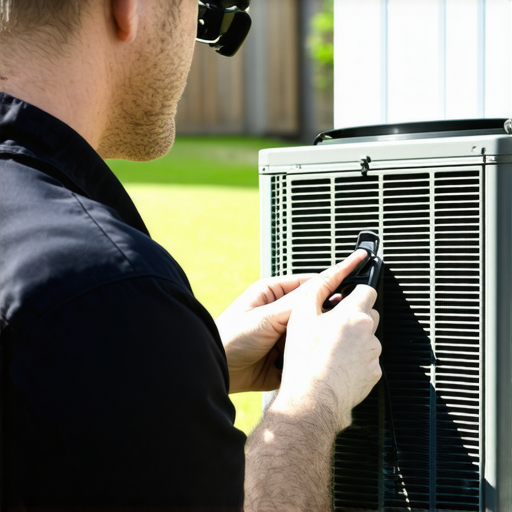
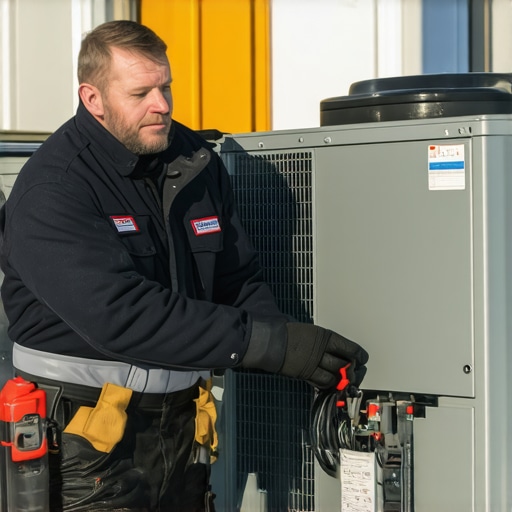
It was one of those freezing nights when I woke up to a shivering house and a dead furnace. Panic set in—I’d neglected proper maintenance, and now I was staring at a costly emergency. That lightbulb moment made me realize how crucial it is to have a solid HVAC repair strategy for enduring long, unforgiving cold spells. Since then, I’ve learned that being proactive with your heating system isn’t just about comfort; it’s about safety, savings, and peace of mind.
Why Cold Weather Can Turn HVAC Failures into Major Problems
Cold weather puts extra strain on your heating systems. When temperatures plummet, any existing vulnerabilities in your HVAC setup can turn into major headaches. Frozen pipes, inefficient heating, or even system breakdowns aren’t just inconvenient—they can lead to costly repairs or dangerous situations. That’s why understanding effective repair and maintenance strategies is vital before the worst hits. Properly maintained systems will operate more reliably, saving you money and sparing you from those stressful midnight calls to emergency services.
Have you faced a sudden system failure during a cold snap?
If so, you’re not alone. I’ve been there, and I want to help you avoid repeating my mistake. Early on, I overlooked routine inspections and neglected to replace an aging filter. The result was a system that faltered just when I needed it most. That’s a mistake I learned to avoid, and I want you to learn from it too. Reliable heating isn’t just about getting warm—it’s about staying safe and comfortable through the harshest weather. For tailored advice, check out our comprehensive guide on preventative heating maintenance.
Inspect and Replace Filters Before Cold Sets In
Think of your HVAC system like a car engine; a clogged filter is like trying to run on a dirty air filter—it hampers performance and causes strain. I remember a winter when I neglected to replace my filter, and my system struggled to keep the house warm during a severe cold snap. To avoid that, I scheduled a filter replacement a few weeks before winter, ensuring unobstructed airflow. Regularly checking and replacing filters, especially before cold weather, is essential for efficient heating. For detailed guidance, visit our preventative heating maintenance.
Seal Ducts and Insulate for Maximum Efficiency
Leaky ducts are like open windows—wasteful and costly. During winter, I sealed my ductwork with foil tape and added insulation where needed, which made a noticeable difference in comfort and energy bills. Use mastic sealant or foil tape to close leaks and wrap ducts in insulation to prevent heat loss. This simple step preserves heat within your home and reduces the workload on your furnace. Proper duct sealing is a proven way to improve system reliability during harsh weather.
Schedule Professional Maintenance for Peace of Mind
While DIY checks are helpful, a professional tune-up is like giving your HVAC system a health check. I once called a technician to inspect my system before winter, and they identified a failing blower motor that could have left me freezing. Regular maintenance includes checking refrigerant levels, inspecting belts and motors, and cleaning condensers. Prioritize booking a professional service annually, especially before cold spells hit. For trusted experts, consider visiting choosing the best heating service.
Test and Boost System Capacity
Sometimes, systems struggle because they’re underpowered for the home size. I once experienced uneven heating because my heater was undersized. During maintenance, I had my unit evaluated to ensure it could handle the cold. If you notice inconsistent temperature or longer heating cycles, it might be time to upgrade or add supplemental heat sources like space heaters or heat pumps. An efficient system will keep your home warm without overworking, especially during prolonged cold spells.
Keep Emergency Measures Ready
Despite all preparations, emergencies can happen. I keep a portable heater and extra blankets handy, just in case. Also, ensure your carbon monoxide detectors are functional and have a plan to contact HVAC professionals quickly if needed. For urgent repairs, reach out to trusted experts via our contact page. Preparation and quick action can save you from dangerous situations or costly repairs.
Monitor System Performance Throughout Winter
Finally, don’t just set it and forget it. Regularly check your system’s operation—listen for odd noises, feel for uneven heating, and keep an eye on utility bills. A slight increase could indicate a developing issue. I set monthly reminders to inspect filters, vents, and thermostat settings, which helped catch problems early. Staying vigilant ensures your HVAC system remains reliable, even in the coldest months.
Many homeowners operate under misconceptions about HVAC repair and maintenance, which can lead to costly mistakes and reduced system lifespan. Let’s dig deeper into some of the most persistent myths and reveal the truths that can save you time and money.
Why Most People Overlook the Nuances of HVAC Repairs
One widespread myth is that DIY repairs are always enough. While simple tasks like changing filters or cleaning vents are manageable, complex issues such as refrigerant leaks or electrical problems require professional expertise. Attempting to fix these yourself can exacerbate the issue or pose safety risks. For example, a refrigerant leak not only hampers efficiency but can also be hazardous if mishandled. Professional technicians have the training and equipment to diagnose and fix these nuanced problems effectively, which is why regular professional maintenance is essential. To ensure your system stays in peak condition, consider scheduling an inspection through trusted experts, and for ongoing guidance, visit our preventative heating maintenance page.
Beware of the Costly Trap of Ignoring Small Problems
A common mistake is dismissing minor issues like strange noises or inconsistent heating. Many think these are just annoyances that will resolve themselves, but in reality, they often indicate underlying problems that worsen over time. For instance, a small refrigerant leak may seem insignificant, but if left unaddressed, it can lead to compressor failure, which is costly to repair. Addressing issues early can extend the lifespan of your HVAC system and prevent emergency breakdowns. Remember, regular professional checkups can catch these nuances before they turn into emergencies. To learn more about effective repair strategies, explore our top HVAC repair strategies.
Can Upgrading Your System Be the Better Choice?
Many homeowners believe that repairing an old system is always the best route, but sometimes, upgrading to a modern, energy-efficient model could be more cost-effective in the long run. For example, heat pumps and advanced thermostats can significantly reduce energy bills and improve comfort. An outdated system might seem cheaper initially, but it often consumes more power and requires frequent repairs. If your system is over 10-15 years old and frequently breaks down, consulting with HVAC professionals about a replacement might be wise. For tailored advice on upgrading, check out our heat pump solutions page.
Have you ever fallen into this trap? Let me know in the comments. Staying informed about these nuanced truths helps you make smarter decisions for your home’s comfort and safety. Remember, proper maintenance and timely upgrades are the keys to reliable heating during the coldest months.
Keeping your HVAC system running smoothly over time requires the right tools and a disciplined maintenance routine. From diagnostic devices to cleaning equipment, I’ve tested and relied on specific gear that ensures my system stays dependable year-round. In this article, I’ll share the tools I recommend and how they help me maintain optimal performance, along with a glimpse into future trends in HVAC maintenance technology.
How do I maintain HVAC systems over time with the right tools?
One of my go-to tools is a digital manometer, which I use to measure refrigerant pressure accurately. This device helps me identify leaks or pressure drops early before they turn into costly repairs. I personally prefer models like the Testo 0563 1573, because it offers quick readings and durability in tough environments. Regularly checking refrigerant levels with this tool keeps my system efficient and prevents unexpected breakdowns. Additionally, I rely on an anemometer to verify airflow across vents and registers, ensuring my ductwork isn’t obstructed or leaking — a common cause of inefficiency. For cleaning, I use a high-quality coil brush and a condenser coil cleaner, which I apply during seasonal tune-ups to remove dirt and debris that hamper heat transfer.
Beyond physical tools, I leverage HVAC-specific software like ServiceTitan, which helps me schedule maintenance, track service histories, and generate timely reminders for filter replacements or system inspections. This integration streamlines my workflow and keeps me proactive, rather than reactive, about system health. Using apps that monitor system performance remotely, I can receive alerts if temperatures fluctuate or if the system consumes more power than usual. These tech-savvy approaches are shaping the future of HVAC maintenance, making it more predictive and less about emergency fixes.
The trend towards smarter HVAC maintenance
Looking ahead, I believe the trend will continue toward IoT-enabled systems that self-diagnose issues and send alerts directly to your phone. This shift will empower homeowners and technicians alike to address minor problems before they escalate. For example, smart thermostats like Nest or Ecobee already provide insights into usage patterns and system health, but the next step will be fully integrated diagnostic tools embedded into the HVAC units themselves. This evolution aims to reduce downtime and extend system longevity.
If you want to take your HVAC maintenance to the next level, I recommend trying out a refrigerant leak detector, such as the Inficon D-TEK Select. It’s a highly sensitive device that pinpoints leaks quickly, saving you time and preventing refrigerant loss. Regular use of such tools, combined with scheduled professional inspections, will ensure your system remains reliable through even the coldest winters. For more detailed guidance, explore our preventative heating maintenance page to learn about comprehensive strategies for long-term system health.
Remember, the key to reliable HVAC performance lies in routine checks, the right diagnostic tools, and embracing emerging technologies. Make a habit of inspecting critical components with precision instruments, and your system will reward you with years of dependable service. Don’t wait for a breakdown—equip yourself with these essential tools today and enjoy peace of mind all year round.
The Hardest Lesson I Learned About Cold Weather HVAC Care
- Never underestimate the power of a simple filter change. I once ignored this small task, only to face a freezing night with a malfunctioning heater. The lesson? Routine upkeep prevents big disasters.
- Sealing ductwork isn’t glamorous, but it’s a game-changer. After I sealed my leaks, my energy bills dropped and my home stayed warmer during the coldest nights.
- Professional tune-ups are worth every penny. A trusted technician once found a failing component that could have left me in the cold. Regular inspections save money and stress.
- Upgrading your system might be smarter than constant repairs. A new, energy-efficient heat pump transformed my winter comfort while slashing costs.
- Stay vigilant with system monitoring. Listening for odd noises or feeling uneven heat helps catch problems early, preventing emergency breakdowns.
My Essential Toolkit for Winter HVAC Success
Using a digital manometer to check refrigerant pressure keeps my system efficient. I trust the comprehensive maintenance guide for scheduling regular checkups. An anemometer helps me verify proper airflow, while coil brushes and cleaners ensure my heat exchangers stay dirt-free. For tracking maintenance tasks, I rely on HVAC software like ServiceTitan, which makes proactive care simple. Looking ahead, IoT-enabled systems that self-diagnose are revolutionizing home comfort. Tools like refrigerant leak detectors, such as the Inficon D-TEK Select, give me peace of mind. Regular use of these tools, combined with expert inspections, keeps my system ready for any cold snap. For ongoing tips, I recommend visiting our preventative heating maintenance page to stay ahead of winter challenges.