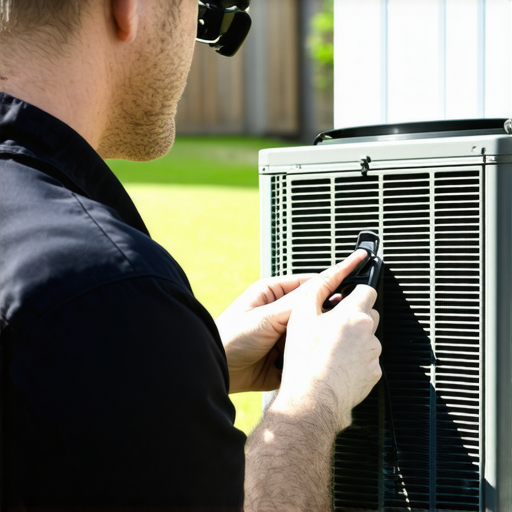
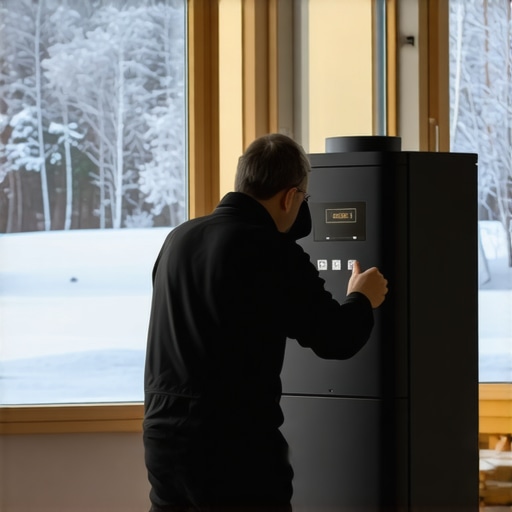
I remember the chilly night when I woke up shivering, only to find that my heating system had unexpectedly gone out. That moment of panic made me realize how crucial it is to be prepared for winter’s worst. If you’ve ever experienced a cold house during a storm or simply worry about skyrocketing energy bills, you’re not alone. The good news? With the right heating services and maintenance, you can keep your home warm, safe, and efficient all season long.
Why Cold Weather Puts Your Heating System to the Test
Winter is beautiful, but it can also be brutal on your heating system. When temperatures drop, your system works harder, which increases wear and tear. Without proper upkeep, minor issues can turn into major breakdowns, leaving you cold and uncomfortable. Plus, inefficient heating can cause your energy bills to skyrocket. That’s why understanding the best ways to maintain and optimize your heating system isn’t just smart—it’s essential for your peace of mind and wallet.
Have you ever faced a freezing house because your heater failed just when you needed it most?
Early in my journey, I made the mistake of ignoring routine maintenance, thinking it was unnecessary until something broke. That costly lesson taught me the importance of regular checkups. Now, I rely on expert heating services to keep everything running smoothly. Want to avoid those freezing nights and costly repairs? Let’s dive into how you can stay ahead of winter’s challenges.
By the end of this guide, you’ll know exactly what steps to take—whether it’s choosing the right service experts or performing simple maintenance tasks—to ensure your home remains warm and safe. Ready to learn how to beat the cold and save money? Let’s start with the basics of reliable heating systems and how to keep them in top shape.
Start with a Thorough Inspection
Before the cold hits, schedule a comprehensive inspection of your heating system. Think of it as giving your car a winter tune-up—checking filters, belts, and fluid levels. During my first winter, I ignored this step, which led to a breakdown on the coldest night. A quick check-up identified a clogged filter that I replaced myself, saving me from a freezing night and costly emergency repairs. For expert help, consider consulting professionals through Eco HVAC’s contact page to ensure your system is ready to handle winter.
Clean and Replace Filters Regularly
Filters act like the lungs of your heating system, trapping dust and debris. When clogged, your system works harder, wasting energy and increasing wear. I learned this firsthand when my heater’s airflow slowed down, and my utility bill spiked. Replacing filters monthly during peak cold months keeps airflow optimal. Use high-efficiency filters for better performance and longer lifespan. This simple step can cut your energy costs and prolong your heater’s life.
Optimize Thermostat Settings for Comfort and Savings
Set your thermostat to a consistent, efficient temperature—around 68°F (20°C) during the day. Lower it at night or when you’re away. I used to crank the heat up to 75°F, thinking it was more comfortable, but it only drained my wallet. A programmable thermostat helps automate this, saving money and maintaining comfort. For tailored advice, explore heat pump solutions that can optimize your heating efficiency in winter.
Seal Drafts and Insulate Properly
Drafts can let out warm air and let in cold, making your heating system work harder. Check windows, doors, and outlets for leaks. I used weatherstripping and caulking on a cold weekend, which made a noticeable difference. Insulate attics and walls to reduce heat loss. This is like wrapping your home in a warm blanket—cost-effective and straightforward. Well-sealed homes retain heat longer, reducing the workload on your heater.
Schedule Regular Maintenance with Experts
Professional maintenance is crucial for year-round efficiency, especially before winter. An HVAC expert can perform tasks like cleaning ducts, inspecting heat exchangers, and checking refrigerant levels. During my last service, the technician identified and fixed a minor gas leak, preventing potential safety hazards. Regular servicing by trusted professionals ensures your system runs smoothly and safely throughout the cold season. For trusted help, visit expert repair and maintenance services.
Keep the Area Around Your Heater Clear
Ensure nothing blocks vents or radiators—furniture, curtains, or boxes can obstruct airflow. I once had a couch too close to my radiator, which muffled heat and caused uneven warmth. Clearing the space allows heat to circulate freely, improving efficiency and safety. Follow local safety guidelines to prevent fire hazards and ensure proper ventilation.
Monitor and Adjust for Real-Time Efficiency
Use smart thermostats or home energy monitors to track your heating performance. Adjust settings based on real-time data—shutting off or reducing heat when not needed. I installed a smart thermostat and noticed I could lower the temperature slightly without sacrificing comfort, saving about 10% on my monthly bills. This proactive approach keeps your home cozy and cost-effective throughout winter.
Implementing these steps will help you stay warm, safe, and energy-efficient during the cold months. Remember, regular maintenance and smart adjustments are your best defenses against winter’s challenges, ensuring your home remains a haven against the cold.
While it’s easy to focus on routine maintenance and modern upgrades, many homeowners overlook the nuanced mistakes that can undermine their heating system’s efficiency and safety during winter. Let’s dig deeper into some of the hidden pitfalls and misconceptions that can trip up even seasoned DIY enthusiasts.
Why Following Popular Myths About Heating Can Backfire
A widespread myth is that larger or more powerful heaters always perform better in cold weather. In reality, oversized units often cycle on and off more frequently, leading to increased wear and inefficiency. Proper sizing, based on a detailed heat load calculation, is essential for optimal performance. Ignoring this nuance might seem harmless but can cause significant long-term damage and higher energy bills. Consulting an expert through professional advice ensures the right fit for your home.
The ‘Oops’ Factor: Overlooking Duct and Vent Blockages
Many homeowners neglect the importance of inspecting and cleaning ducts and vents regularly. Dust, debris, and even small pests can block airflow, causing your system to work harder without delivering the warmth you expect. This mistake often results in uneven heating and increased energy consumption. Regularly schedule preventative maintenance to catch these issues early, saving money and extending your system’s lifespan.
Advanced Question: How Can Smart Technology Outperform Traditional Thermostats?
Many assume that a basic programmable thermostat suffices, but integrating smart thermostats with real-time monitoring capabilities can significantly improve efficiency. These devices learn your habits, optimize heating schedules, and adjust for weather variations automatically. According to a study by the Department of Energy, homes with smart thermostats can reduce heating costs by up to 12% annually. This advanced approach minimizes manual adjustments and keeps your home consistently comfortable. Explore heat pump solutions that leverage smart tech for winter performance.
Have you ever fallen into this trap? Let me know in the comments. Remember, understanding these hidden nuances can save you from costly repairs and discomfort, making your winter much more manageable.
Maintaining your heating system over time requires more than just routine checks; it involves using the right tools and adopting effective methods to ensure longevity and reliability. One of my favorite tools is a digital multimeter, which I personally use to test electrical components such as thermostats and relays. This device helps me quickly identify electrical issues that can cause system failures, saving time and money. Additionally, a high-quality vacuum cleaner with a nozzle attachment makes cleaning ducts and vents much easier, preventing dust buildup that hampers airflow. Regularly using these tools means I can catch potential problems early, extending the lifespan of my HVAC system.
When it comes to software, I recommend using HVAC diagnostic apps that provide step-by-step troubleshooting guides. These apps are especially useful for quick checks and understanding complex error codes. For example, I rely on HVAC Check & Troubleshoot, which helps me interpret system alerts and decide whether professional intervention is necessary. Investing in these digital tools empowers homeowners to perform basic maintenance confidently and efficiently, reducing reliance on costly emergency repairs.
For long-term results, scheduling annual professional inspections is crucial. During my last service with Eco HVAC, the technician used advanced diagnostic tools to evaluate system performance beyond what I could manage myself. Such comprehensive assessments identify hidden issues like refrigerant leaks or heat exchanger cracks that could compromise safety and efficiency. Combining personal tools with expert evaluations creates a robust maintenance routine that keeps your system resilient through the cold months.
As technology progresses, smart home integration will become increasingly valuable. Devices like smart thermostats and home energy monitors not only optimize heating schedules but also alert you to irregularities promptly. I predict that in the next few years, AI-powered HVAC management will further personalize and automate maintenance, making it easier to keep systems running smoothly without constant oversight. To get started, I recommend trying a smart thermostat like Nest or Ecobee, which can significantly improve your heating system’s efficiency and lifespan.
How do I maintain my heating system over time?
The key to long-lasting, reliable heat is a combination of the right tools, regular inspections, and embracing new technology. Regularly check electrical components with a multimeter, clean ducts with a vacuum, and monitor system performance through diagnostic apps. Don’t forget to schedule annual professional maintenance through trusted experts, like those at Eco HVAC. This comprehensive approach ensures your heating system stays effective and safe for years to come. Take the initiative today by investing in a diagnostic app or smart thermostat and experience the peace of mind that comes with proactive maintenance. For more tips, explore preventative maintenance strategies that will keep your system in top shape during winter.
What I Learned the Hard Way About Winter Heating
- Overestimating my heater size led to frequent cycling and higher bills. Proper sizing based on a detailed heat load calculation is crucial—trust the experts on this.
- Ignoring duct cleanliness caused uneven warmth and increased energy use. Regular duct inspections and cleaning are a game-changer for comfort and efficiency.
- Relying solely on old thermostats kept me from saving money. Upgrading to a smart thermostat transformed my home’s heating management and cut costs.
- Assuming all heating myths are true can backfire. For example, bigger heaters aren’t always better—oversized units can do more harm than good.
My Go-To Tools and Resources for Winter Warmth
- HVAC Diagnostic Apps: I use HVAC Check & Troubleshoot for quick system insights and troubleshooting. It’s a DIY game-changer.
- High-Quality Filters: My trusted filters are from Filtrete—they last longer and keep my system running smoothly.
- Professional Maintenance: I schedule annual inspections with Eco HVAC to catch issues early and ensure safety.
- Smart Home Devices: Ecobee smart thermostats have helped me optimize heating and save money effortlessly.
Take Action Now and Feel the Difference
Winter heating isn’t just about comfort; it’s about peace of mind. By applying these insights and tools, you’re taking control of your home’s warmth and efficiency. Don’t wait for a cold night to realize the importance of proactive maintenance—start today and enjoy a cozy, cost-effective winter. Your home deserves the best; you do too.
What’s the one step you’re excited to try first? Share your plans below—I’d love to hear how you’re making your home winter-ready!
I totally relate to the importance of regular maintenance, especially after a freezing night when my heater suddenly stopped working. Since then, I’ve started scheduling seasonal checkups with a local HVAC professional, and it’s made a big difference in preventing sudden failures. I also installed a smart thermostat last year, which has helped me fine-tune my heating schedule and save on energy costs. What surprises me is how many homeowners overlook simple actions like sealing drafts—once I added weatherstripping around my windows and doors, I noticed a significant improvement in warmth retention. I’m curious, has anyone experienced a noticeable difference after upgrading to smart tech or improving insulation? It would be great to hear real-life success stories or tips on maximizing these investments for winter efficiency.
This post really highlights the importance of proactive maintenance as we head into winter. I remember last year, ignoring the importance of inspecting my ductwork resulted in uneven heating and noticeably higher energy bills. After scheduling a professional duct cleaning, I saw a real difference in how my system performed. It’s striking how many of us overlook simple yet critical steps like sealing leaks or cleaning filters regularly. I’ve also recently upgraded to a smart thermostat, which has definitely helped me better manage my heating and reduce costs. Has anyone else experimented with combining insulation improvements alongside smart tech? I wonder how much additional savings or comfort one could achieve by tackling multiple upgrades simultaneously. Also, do you think investing in energy-efficient window coverings makes a significant difference in retaining heat? I’d appreciate hearing other users’ experiences or tips on making their heating systems more efficient and reliable during the colder months.
This article underscores the importance of comprehensive winter heating preparedness. I completely agree that routine maintenance can prevent many cold-weather issues, especially when unexpected failures happen during the coldest nights. I’ve personally found that insulating my attic and sealing gaps around windows and doors significantly reduced heat loss, which in turn lessened the strain on my heater and lowered my energy bills. Interestingly, I also invested in a smart thermostat last season, and the ability to program and control my heat remotely has been a game-changer. It’s made me more aware of my energy consumption and motivated me to keep my settings optimized. Has anyone experimented with combining these upgrades—like insulation, smart thermostats, and duct cleaning? I’d love to hear what’s worked best for others and if these combined efforts truly make a noticeable difference in winter comfort and savings.
Reading this post reminded me of a critical mistake I once made: neglecting regular maintenance before winter hit. My system failed during a particularly cold night, which was a real wake-up call. Since then, I’ve adopted a routine of scheduling annual checkups with a trusted HVAC technician, and it’s made a noticeable difference. One tip I found particularly effective is installing a smart thermostat; I can now adjust settings remotely and catch issues early through alerts. I also started sealing gaps around windows with weatherstripping, which helped keep the heat inside longer. Combining these steps has greatly improved my home’s energy efficiency and comfort during winter. It makes me wonder—what are some other small upgrades or maintenance habits that have proven most helpful for others in reducing heating costs while staying warm? I’d love to hear your experiences or recommendations, especially for those on a tighter budget but still wanting to improve winter resilience.