I remember the chilly night when my heating system unexpectedly died just as the cold snap hit. I was freezing, frustrated, and scrambling to find a quick fix. That moment was a lightbulb for me—winter comfort isn’t just about having a heater; it’s about ensuring it’s ready to perform when you need it most. Over the years, I’ve learned that many homeowners overlook simple, proactive steps that could save them from similar cold nights and hefty repair bills. Today, I’ll share some proven heating service tips that will help you stay warm, safe, and worry-free throughout the winter.
Why Prioritize Heating Maintenance Before Winter
Winter is unforgiving if your heating system isn’t prepared. I’ve seen firsthand how neglecting basic maintenance can lead to system failures during the coldest days. A well-maintained heater not only keeps your home cozy but also operates more efficiently, saving you money on energy bills. Plus, regular checkups can identify small issues before they turn into costly repairs or safety hazards. According to experts, a significant percentage of winter heating failures could be prevented with proper maintenance—saving homeowners hundreds, if not thousands, in repair costs (source). If you haven’t scheduled your seasonal tune-up yet, now’s the time.
Have You Faced This Common Heating Problem?
Ever had your heater struggle to turn on, blow cold air, or make strange noises? These are often signs that your system needs a check-up. Trust me, ignoring these warning signs can lead to emergency repairs when you least expect them. I made this mistake early on—thinking a little irregularity was nothing, only to find myself freezing on a winter night. Learning from that, I now follow a simple checklist to keep my system in top shape. Want to avoid those unexpected cold nights? Let’s dive into the practical steps that will keep your heating system reliable and safe all winter long.
Start with a Comprehensive Inspection
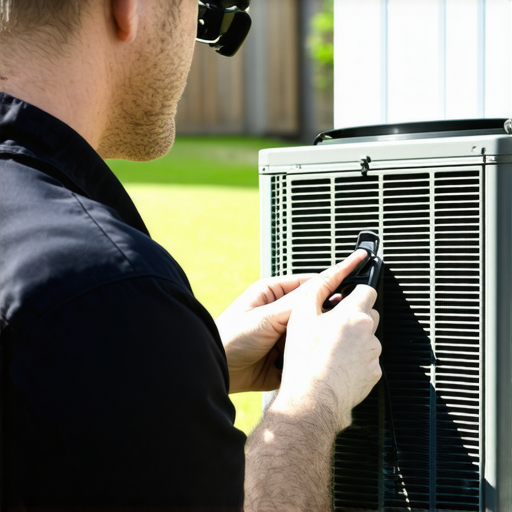
Think of your heating system as the heart of your winter comfort; it needs a thorough check-up before the cold arrives. When I first scheduled an inspection, I discovered a minor leak in my furnace that could have led to a breakdown during a cold snap. To prevent this, turn off your system and inspect accessible parts for corrosion, leaks, or loose connections. If you’re unsure, hiring a professional for a detailed assessment is worth the investment. This step helps catch small issues early, saving you from emergency repairs later. For expert guidance, visit expert repair strategies.
Clean and Replace Filters Regularly
Imagine your heating system as a car engine—it runs smoothly only when clean. I once neglected this step, and my system struggled, wasting energy and producing uneven heat. Remove the filters and replace or clean them every 1-3 months, especially during peak usage. Dirty filters block airflow, causing your system to work harder and potentially overheat. Keep spare filters handy to avoid delays. This simple maintenance step dramatically improves system efficiency and indoor air quality. Learn more about winter maintenance.
Check Thermostat Settings and Calibration
Think of your thermostat as your home’s temperature commander. I once set mine to 68°F and thought it would suffice, but the house felt chilly. I realized the thermostat was misreading the temperature. Ensure your thermostat is correctly calibrated—use a separate thermometer to verify accuracy. Set it to a comfortable, energy-efficient temperature and consider programmability for automatic adjustments. Proper thermostat settings prevent unnecessary cycling, saving energy and ensuring consistent warmth. For advanced solutions, explore heat pump solutions.
Inspect and Clean Vents and Registers
Vents and registers are the gateways for warm air; if blocked, your home won’t heat evenly. I once found a rug covering a vent behind furniture, which reduced airflow significantly. Remove any obstructions, vacuum dust, and ensure they open freely. Dirty or blocked vents can decrease efficiency by up to 30%, leading to higher energy bills and uneven heating. Make this a monthly habit during winter. For more detailed methods, see system longevity strategies.
Inspect Ductwork for Leaks and Insulation
Imagine hot air escaping through tiny leaks in your ductwork—it’s like trying to keep water in a leaky bucket. During a DIY inspection, I found gaps in my duct joints and sealed them with foil tape, which improved heat retention. Use a flashlight to look for disconnected or damaged ducts and seal leaks with appropriate tape or mastic. Adding insulation around ducts in unheated areas prevents heat loss and boosts efficiency. This step keeps warm air where it belongs—inside your living space. For expert tips, visit system longevity.
Test Safety Features and Carbon Monoxide Detectors
Safety is paramount. I once neglected to test my carbon monoxide detector, which was a mistake. Regularly test smoke and CO detectors, replace batteries annually, and ensure they’re functioning correctly. Install detectors near bedrooms and on every level of your home. This simple step can prevent tragedy, especially with older heating systems that might produce harmful gases. Staying vigilant ensures your home remains a safe haven during winter. For more safety tips, check winter safety.
Many homeowners fall prey to misconceptions about heating systems that can sabotage their winter comfort and safety. Let’s dig deeper into what most people get wrong about maintaining reliable heating during the cold months, and how understanding these nuances can save you money and stress.
Is Bigger Always Better When Choosing a Heater?
One widespread myth is that bigger heating units provide better warmth. In reality, oversizing your system can lead to short cycling, where the heater turns on and off frequently. This not only wastes energy but also accelerates wear and tear, reducing the system’s lifespan. An appropriately sized unit, determined through professional load calculations, ensures efficient operation and consistent comfort. For expert guidance on selecting the right system, visit choosing the best heating service.
Ignoring Regular Maintenance Is No Big Deal
Many believe that once a heater is installed, it can run indefinitely without much fuss. This couldn’t be farther from the truth. Regular maintenance, including filter changes, duct inspections, and safety checks, keeps your system running efficiently and extends its lifespan. Skipping these steps often results in decreased performance, higher energy bills, and potential safety hazards like carbon monoxide leaks. According to a study by the U.S. Department of Energy, routine maintenance can improve heating efficiency by up to 30%. Don’t wait for a breakdown—schedule your preventative maintenance with professionals regularly. Learn more at preventative heating maintenance.
Advanced Mistakes That Trip Up Even Savvy Homeowners
One common oversight is neglecting the calibration of thermostats. Many assume that their thermostats are accurate, but even a slight misreading can cause your system to underperform or overheat, wasting energy and reducing comfort. Using a separate thermometer to verify accuracy and recalibrating your thermostat can make a significant difference. Additionally, failing to insulate ductwork properly or leaving vents blocked are pitfalls that seem minor but have major impacts on heating efficiency. These mistakes often go unnoticed until you face a sudden system failure or an unexpectedly high energy bill. For more detailed strategies, explore system longevity tips.
Have you ever fallen into this trap? Let me know in the comments. Being aware of these subtle pitfalls can empower you to maintain a reliable, efficient, and safe heating system all winter long. Remember, a little proactive care goes a long way in ensuring your home stays warm and cozy when it matters most.
Keeping It Working: Essential Tools and Techniques for Long-Term Heating Maintenance
Ensuring your heating system stays reliable through the cold months requires the right tools and a strategic approach. Over the years, I’ve refined my toolkit and methods to prevent breakdowns and optimize performance. Today, I’ll share the specific tools I personally rely on and how they help me maintain my system effectively. Whether you’re a DIY enthusiast or prefer professional help, these recommendations can make a real difference in keeping your home warm and safe.
Invest in a Digital Infrared Thermometer
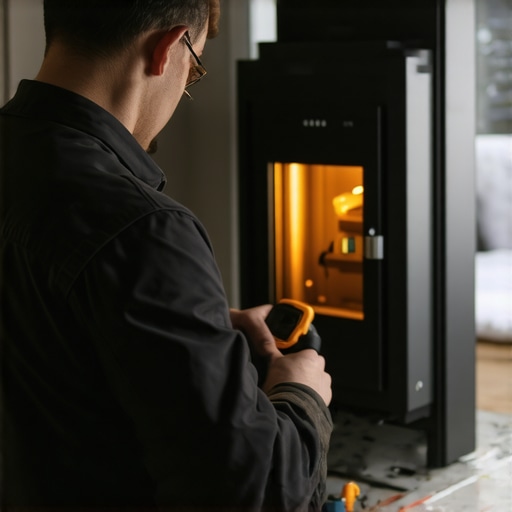
This device is a game-changer for diagnosing heating issues. I use a Fluke 62 MAX infrared thermometer because it provides accurate surface temperature readings from a distance. When my system runs unevenly or I suspect blocked vents or duct leaks, I quickly scan registers and duct joints to identify cold spots or heat loss. This tool saves me hours of guesswork and helps pinpoint problem areas without needing invasive inspections. As technology advances, I predict that smart infrared thermometers with app integration will become even more common, allowing remote monitoring and diagnostics.
Use a Quality Multimeter for Electrical Checks
Faulty wiring or failing components are often overlooked causes of system failure. A reliable multimeter like the Klein Tools MM6000 allows me to test voltage, continuity, and resistance accurately. Before performing any maintenance, I always verify that circuits are de-energized and use the multimeter to check connections and components. This ensures safety and prevents further damage. With ongoing innovations, multimeters with Bluetooth connectivity and data logging will help track system performance over time, making maintenance more proactive.
Utilize a Combustion Analyzer for Safety
Safety is paramount. I routinely use a UEI Testo 310 combustion analyzer to verify proper burner operation and ensure exhaust gases are within safe limits. This is especially critical for older systems or those running on gas. The analyzer helps me detect incomplete combustion or build-up of dangerous gases like carbon monoxide. Regular use of such tools not only keeps my family safe but also improves system efficiency. Experts predict that integrated combustion analysis devices connected to smart home systems will soon provide real-time alerts and diagnostics, further enhancing safety.
Maintain a Record with Maintenance Software
Tracking maintenance history is vital. I rely on maintenance software that logs inspections, part replacements, and system performance data. This helps me schedule timely checkups and avoid forgotten tasks. As AI-driven analytics evolve, I believe that predictive maintenance will become standard, alerting homeowners to issues before they manifest as failures.
How do I maintain my tools over time?
Regular calibration and proper storage are key. I ensure my infrared thermometer and multimeter are calibrated annually, either through manufacturer services or calibration kits. Keeping my tools clean, dry, and organized prevents damage and prolongs their lifespan. Investing in quality, durable tools minimizes the risk of false readings and costly repairs. Remember, the better your tools, the more confidently you can diagnose and fix issues, reducing downtime and extending your heating system’s life.
Looking ahead, I expect that smart diagnostic tools and IoT-enabled systems will become essential for homeowners seeking reliable heating. These innovations will offer real-time insights, remote troubleshooting, and automated alerts, making maintenance even simpler. To start, I recommend trying out a good infrared thermometer or combustion analyzer—these are the foundation of proactive heating system care. Remember, a little investment now can save you from expensive repairs and chilly nights later. For more expert tips, visit HVAC repair strategies and keep your system running smoothly all winter long.
The Hardest Lesson I Learned About Winter Heating
One of the toughest lessons I learned was the importance of regular maintenance. I ignored small warning signs in my heating system and paid the price when it failed during a cold snap. Now, I know that proactive care can prevent those freezing nights and costly repairs. Never underestimate the power of a simple inspection or filter change—these small steps can save you a lot of trouble.
My Essential Toolkit for Keeping Warm
Over the years, I’ve curated a set of reliable tools that help me maintain my heating system effectively. My go-to is a digital infrared thermometer for quick heat checks and a multimeter to verify electrical connections. For safety, I always keep a combustion analyzer handy to ensure my system burns fuel safely. These tools are worth every penny—they give me peace of mind and keep my home warm.
Don’t Let Cold Nights Catch You Off Guard
Take action now to ensure your heating system is ready for winter. Schedule a professional inspection, replace filters, and test safety devices. Remember, early preparation can mean the difference between a cozy home and a night spent shivering. Stay proactive, stay warm! If you want expert guidance, visit this guide on choosing the best heating service. Have you ever faced a heating failure during winter? Share your experience below!
Reading this post really highlights how many homeowners overlook simple but crucial maintenance steps before winter hits. I remember last year my heater suddenly stopped working during a cold snap, and it turned out I hadn’t replaced my filters or checked the thermostat calibration. Since then, I’ve started scheduling regular inspections and keeping an eye on vent blockages, which has made a noticeable difference in our home’s warmth. What’s everyone’s take on DIY maintenance versus hiring professionals? I find that some tasks, like filter changes and vent cleaning, are manageable on my own, but safety inspections or duct sealing feel better with experts involved to ensure everything is code-compliant. It’s great to see this detailed guide covering all the bases. Do you think smart thermostats and IoT devices could make proactive home heating maintenance even easier in the future? I’d love to hear what others have found beneficial!
This post really hits home on the importance of routine maintenance and checking in on your heating system before the cold hits. I remember a few winters ago, I waited too long to service my furnace, and it failed on one of the coldest nights. It was a reminder that proactive care truly saves a lot of stress and money down the line. Since then, I’ve adopted a more regular maintenance schedule, including filter replacements and duct inspections, which has kept my system running smoothly and efficiently. I also installed a smart thermostat, which has helped maintain consistent comfort and monitor energy use—definitely worth considering for others looking to optimize their heating. Have any of you integrated smart home devices into your winter maintenance routines? If so, what has your experience been like? I’d love to hear more about how technology is making winter heating management easier and more reliable.