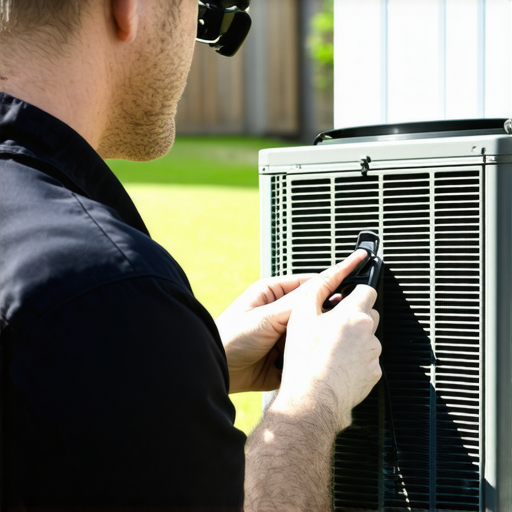

Last winter, I faced a freezing cold night with my heat pump suddenly failing. It was a wake-up call that no homeowner wants—being left in the cold because of overlooked maintenance. That experience taught me a valuable lesson: regular heating service and heat pump upkeep aren’t just about comfort; they’re about safety and peace of mind during the harshest months of the year.
Why Winter Heating Maintenance Matters More Than Ever
As temperatures plummet, your home’s heating system becomes your lifeline. A neglected heat pump or heating system can turn a cozy winter into a nightmare. According to the U.S. Department of Energy, proper maintenance can improve energy efficiency by up to 25%, saving you money and avoiding costly repairs when you need your system most. Yet, many homeowners skip essential checks, thinking a system that works now will suffice later. That mistake can lead to system failures when you least expect them.
Have You Faced Unexpected Cold Weather Breakdowns?
If you’ve ever been caught off guard by a sudden system failure during a cold snap, you’re not alone. I made that mistake early on—assuming my heat pump didn’t need much attention until it broke down during a snowstorm. It was a costly lesson that highlighted the importance of proactive maintenance. Properly scheduling your heating service can prevent these surprises, ensuring your home stays warm and safe all winter long.
Inspect and Replace Your Air Filters
During my first winter with a heat pump, I learned the importance of maintaining clean filters firsthand. I scheduled a filter replacement before the coldest snap, which improved airflow and efficiency. Dirty filters restrict airflow, forcing your system to work harder and increasing the risk of breakdowns. Replace filters every 1-3 months, especially during winter when the system runs continuously.
Check and Clean the Outdoor Unit
Once, I hosed down the outdoor unit to remove dirt, leaves, and snow buildup. Ensure the area around the unit is clear of debris, and gently clean the fins with a garden hose. This prevents airflow obstruction and prevents ice buildup, which can damage the compressor. Avoid using a pressure washer, as it can bend fins. Proper cleaning maintains optimal heat exchange and system efficiency.
Inspect Ductwork for Leaks and Insulation
Leaks in ductwork can cause significant heat loss. I used a smoke pen to detect leaks and sealed them with mastic or foil tape. Insulate exposed ducts to prevent heat loss, which is crucial during winter. Properly sealed and insulated ducts ensure warm air reaches every corner of your home, reducing energy costs and preventing cold spots.
Test and Calibrate Your Thermostat
I set my thermostat to a comfortable temperature and observed how the system responded. If your thermostat is old or inaccurate, consider upgrading to a programmable or smart thermostat. This allows precise control, reduces energy waste, and ensures your heat pump operates efficiently during cold weather. A properly calibrated thermostat prevents unnecessary cycling and system strain.
Schedule Professional Maintenance
Last winter, I booked a professional heating service before the cold front arrived. A technician performed comprehensive checks, including refrigerant levels, electrical connections, and system controls. Regular professional maintenance ensures your heat pump operates at peak performance and catches issues early. For expert guidance, visit this detailed guide.
Monitor and Clear Snow and Ice Accumulation
During a particularly snowy week, I kept an eye on the outdoor unit, removing snow and ice buildup carefully. Ice can block airflow and cause damage. Use a broom or your hands to gently clear ice, avoiding sharp tools that can damage fins. Ensuring unobstructed airflow helps prevent system overheating and failure during extreme cold.
Maintain Proper Humidity Levels
In winter, dry air can cause discomfort and static electricity. I used a humidifier to add moisture, which also eased the strain on my heat pump. Maintaining humidity around 30-50% improves comfort and efficiency. Excessively dry air can make your system work harder, increasing energy bills and wear.
Consistent application of these steps has kept my heat pump running smoothly through harsh winters. Regular maintenance not only prevents costly repairs but also extends your system’s lifespan. For detailed strategies tailored to your system, explore top winter heating maintenance tips. Remember, proactive care is your best defense against winter failures.
Many homeowners believe that once their heating system is working well at the start of winter, no further maintenance is needed until spring. However, this misconception can lead to unexpected breakdowns and costly repairs. In my experience, understanding the nuances of HVAC maintenance reveals that proactive, targeted care during winter is crucial for system longevity and performance.
Myth: The More I Use My Heat Pump, the Better It Performs
This common myth suggests that continuous use of your heat pump during winter naturally keeps it in good condition. In reality, overworking the system without proper maintenance can accelerate wear and tear. Regular inspections, filter changes, and cleaning are essential to prevent operational stress. Consider scheduling professional tune-ups that include refrigerant checks and electrical system testing—these are often overlooked but critical for optimal performance.
For instance, a study by the Department of Energy highlights that well-maintained systems can operate up to 25% more efficiently, saving energy and reducing strain. Neglecting this advice increases the risk of breakdowns during peak cold periods, when system failure is most inconvenient. Don’t fall into the trap of thinking that regular use replaces the need for maintenance.
Common Mistakes and Hidden Nuances
One frequent mistake is ignoring the importance of calibrating thermostats. An inaccurate thermostat causes your system to cycle improperly, leading to uneven heating and increased energy costs. Advanced homeowners may consider upgrading to smart thermostats, which offer better control and diagnostics, as suggested by HVAC experts. Additionally, many overlook the significance of inspecting ductwork for leaks and insulation issues, which can silently sap heat and strain your system.
Another nuance is snow and ice buildup. While clearing snow from outdoor units is common, many fail to recognize that ice can insulate fins, obstruct airflow, and damage compressor components. Regularly monitoring outdoor units during winter storms can prevent these issues.
Have You Ever Fallen Into This Trap? Let Me Know in the Comments
Understanding these subtle but impactful details can dramatically improve your winter HVAC reliability. Remember, the key is not just in initial setup but in ongoing, expert-level care. For more advanced strategies, explore top repair strategies to extend system life and ensure your home stays warm all winter long.
Maintaining your heat pump throughout the winter months requires more than just routine checks; it demands the right set of tools and a strategic approach. Personally, I rely on a few specialized pieces of equipment that have proven invaluable in ensuring consistent performance and longevity of my HVAC system.
Why I Use a Digital Manometer for Refrigerant Checks
One of my go-to tools is a digital manometer, which I use to measure refrigerant pressure accurately. This device allows me to quickly identify if my system is low on refrigerant, a common cause of reduced efficiency during cold weather. Regularly checking refrigerant levels with a reliable manometer helps prevent compressor strain and potential breakdowns. I prefer models that interface with smartphone apps, offering real-time data and easy diagnostics, which I’ve found saves me time and provides peace of mind.
The Importance of a Fin Comb for Outdoor Unit Maintenance
Cleaning the outdoor coil fins is crucial for optimal airflow. I always keep a fin comb handy—a simple yet highly effective tool to straighten bent fins and remove debris lodged between them. Properly maintained fins facilitate better heat exchange, especially during winter when outdoor temperatures are low. Investing in a high-quality fin comb ensures your unit stays efficient, even in snowy conditions.
Using an Infrared Thermometer for Precise System Monitoring
Another essential tool I recommend is an infrared thermometer. This device helps me verify that my heat pump’s supply and return air streams are at correct temperatures, indicating proper operation. Spotting temperature inconsistencies early can alert you to issues like blocked airflow or failing components before they escalate into costly repairs. I often use my infrared thermometer during routine maintenance to ensure every part of the system is functioning within optimal parameters.
Software Solutions for System Diagnostics
Beyond physical tools, I utilize HVAC diagnostic software that interfaces with smart thermostats and system controllers. These platforms provide detailed insights into system performance, refrigerant cycles, and electrical parameters. For example, some software can automatically log data over time, helping identify trends that suggest maintenance is needed. As smart technology advances, I predict a trend toward more integrated diagnostic platforms that simplify complex troubleshooting for homeowners and technicians alike.
How do I Maintain These Tools Over Time?
To keep my tools reliable, I follow regular calibration and battery replacement schedules. Proper storage in a dry, temperature-controlled environment also extends their lifespan. For example, I check my digital manometer’s calibration annually and replace batteries before they die, ensuring consistent readings. Staying proactive with tool maintenance ensures accurate diagnostics, ultimately protecting your system during the coldest months.
If you’d like to delve deeper into system diagnostics or advanced maintenance techniques, I recommend exploring this resource. Try integrating a smart diagnostic platform into your routine; it could be the difference between a cold night and a warm, worry-free winter.
The Hardest Lesson I Learned About Winter Heat Pump Maintenance
One of my most eye-opening experiences was realizing how a small overlooked detail—like a dirty air filter—could lead to a system failure during the coldest night of the year. That moment taught me that winter HVAC care isn’t just routine; it’s a critical safeguard for safety and comfort.
3 Myths About Heating System Upkeep That Held Me Back
I used to believe that once my heat pump was functioning well at the start of winter, I could skip maintenance until spring. It wasn’t until I debunked that myth that I prevented costly breakdowns, saving time and money while ensuring reliable warmth.
What Experts Won’t Tell You About Outdoor Unit Care in Cold Weather
Many homeowners neglect the importance of regularly clearing snow and ice from outdoor units, thinking it’s unnecessary or risky. I learned that gentle removal of snow and ice keeps airflow unobstructed, preventing damage and ensuring efficiency during freezing temps.
My Essential Toolkit for Winter Heat Pump Maintenance
Tools like a digital manometer, fin comb, and infrared thermometer have become my trusted allies. They help me monitor refrigerant levels, straighten bent fins, and verify system temperatures, respectively—ensuring my system runs smoothly through winter’s challenges.
Final Thoughts: Your Winter HVAC Journey Starts Today
Remember, proactive winter HVAC care transforms your home comfort and safety. Equip yourself with knowledge and tools, and don’t hesitate to seek professional advice when needed. Your heat pump’s performance depends on your attention—start today for a warm, worry-free winter.
This post really hits home for me, especially the part about checking and cleaning the outdoor unit before the cold hits. Last winter, I neglected to clear snow and ice buildup, and my heat pump suddenly shut down during a bitter cold snap. It was a wake-up call that simple maintenance like clearing snow and inspecting the fins can prevent serious damage and costly repairs. I also found that upgrading to a smart thermostat helped me better regulate the temperature and avoid unnecessary cycling, which I think contributed to my system’s longevity. Has anyone else experienced efficiency gains after switching to a smart thermostat? I’d love to hear how others are customizing their maintenance routines to stay ahead of the cold weather challenges.
This post really emphasizes the importance of proactive winter maintenance for heat pumps, which is often overlooked until a failure occurs. I agree that simple tips like inspecting and cleaning the outdoor unit, replacing filters, and checking ductwork can make a significant difference. I particularly resonate with the point about maintaining proper humidity levels — I live in a dry climate, and using a humidifier has made a noticeable difference not just in comfort, but in reducing strain on my HVAC system. Additionally, I’ve started using a digital infrared thermometer for regular checks, which helps me catch potential issues early before they turn into costly repairs. Have you noticed any specific maintenance practices that have extended your heat pump’s lifespan, especially during severe cold snaps? I think sharing such practical tips can really empower homeowners to stay ahead of winter system failures.