The Anatomy of a Cold Night and a Silent Heater
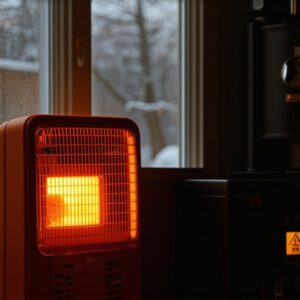
There is a specific sound to a failing ventless heater—or rather, a lack of sound. It is the absence of that comforting, blue-flame roar, replaced by the rhythmic click-click-click of a pilot that refuses to hold. As an HVAC tech who has spent three decades dragging my tool bag through crawlspaces and over frozen gravel, I have seen homeowners stare at their ventless units with the same look of betrayal usually reserved for a car that won’t start on a Monday morning. Most of the time, the culprit is the Oxygen Depletion Sensor (ODS). They call it a safety device; I call it the most misunderstood piece of hardware in the heating world. It is the silent sentry that stands between you and a very dangerous situation, and when it acts up, it is usually telling you a story about your home’s physics that you aren’t listening to.
The Physics Lesson: You Can’t Burn What You Can’t Feed
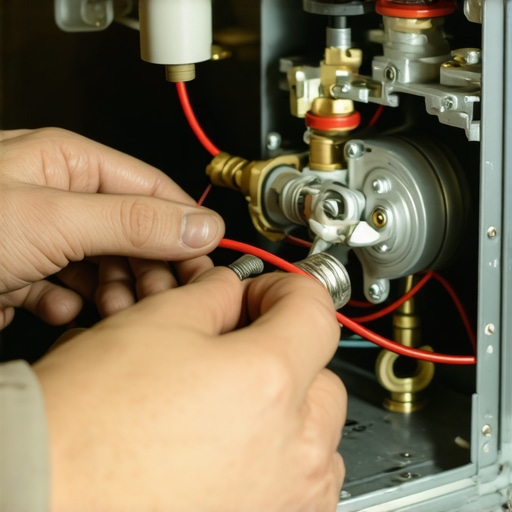
My old mentor, a man who could smell a contactor repair from three blocks away, used to scream at me, ‘You can’t cool what you can’t touch, and you can’t burn what you can’t feed!’ This is the fundamental law of the ODS. In a ventless system, the room is your exhaust. Unlike boiler repair services or new construction heating design that utilizes dedicated venting, a ventless heater lives and dies by the ambient air quality. The ODS is designed to shut off the gas flow if the oxygen level in the room drops from the normal 20.9% to approximately 18%. To understand the ‘Forensic Diagnosis’ of this component, you have to look at the thermodynamic zooming of the pilot flame. The ODS isn’t just a sensor; it’s a precision-engineered pilot burner. It uses a very specific orifice that creates a stable flame at a high oxygen concentration. When oxygen drops, the flame stability degrades and the flame literally ‘lifts’ off the burner. When that flame lifts, it no longer bathes the thermocouple in heat. No heat means no millivolts. No millivolts means the internal spring in the gas valve slams shut. Physics doesn’t care about your thermostat setting.
“The installation of unvented room heaters shall comply with the requirements of this code and the manufacturer’s instructions, specifically regarding room volume and air exchange.” – NFPA 54: National Fuel Gas Code
The Forensic Diagnosis: Why Your ODS is Tripping
When I walk into a house where the heater is cutting out every twenty minutes, I don’t start by looking at the geofencing temperature control. I look at the dust. In the North/Cold climate zones, we seal our houses tight to save on energy. We use ‘Pookie’ (mastic) on every seam and high-efficiency windows that turn a house into a vacuum-sealed jar. If you don’t have heat recovery ventilators to swap out stale air, that ventless heater is going to eat up the available oxygen until the ODS does its job. But often, the problem isn’t the oxygen—it’s the dirt. A single ‘dust bunny’ or a stray pet hair sucked into the precision-drilled ODS orifice will disrupt the flame pattern. It mimics a low-oxygen condition. You’ll see the pilot flame looking yellow and lazy instead of crisp and blue. This is why an annual heating inspection is non-negotiable. I’ve seen heat exchanger cleaning jobs on furnaces that were less filthy than a neglected ODS pilot assembly. If that pilot isn’t hitting the thermocouple dead-center, you’re staying cold.
The Millivolt Mystery and the Sparky’s Nightmare
The ODS system relies on the Seebeck effect—the creation of a small electrical current (millivoltage) from the heat of the flame on the thermocouple. If you are getting a pilot to light but it dies the moment you release the knob, you are looking at a failed thermocouple or a weak magnetic coil in the valve. Don’t let a ‘Sales Tech’ tell you that you need a whole new $8,000 system. Most of the time, this is a surgical fix. However, we are entering a new era of HVAC. With the R-454B refrigerant transition services and the push toward geothermal heat pump systems, these old gas-fired ventless units are becoming relics of a less regulated time. Even so, the math of repair vs. replace is simple: if the unit is over 10 years old and the ODS assembly is corroded, you are better off looking into heat pump solutions for efficient home comfort in 2025. Technology has moved past the ‘open flame in the living room’ model, but if you’re sticking with it, you must respect the sensor.
“Oxygen depletion systems are life-safety devices and shall not be bypassed or modified under any circumstances.” – ANSI Z21.11.2 Standard
Thermodynamic Realities of the Modern Tight House
If you live in a region where the ‘Polar Vortex’ is a regular guest, your heater is working overtime. In these tight homes, the moisture byproduct of combustion—hydrocarbons plus oxygen equals CO2 and water vapor—can actually cause the ODS to fail due to condensation on the pilot orifice. I’ve seen cases where evaporative cooler services in the summer were replaced by ventless heaters in the winter, and the humidity levels were so high the ODS couldn’t stay lit. It’s a delicate dance of chemistry. This is why I always check the new construction heating design for adequate ‘make-up air.’ If you’ve added a new addition or better insulation, you might have inadvertently choked your heater. If you’re struggling with these issues, you might need to contact us to evaluate your home’s total airflow. Remember, the ODS isn’t failing; it’s likely succeeding in keeping you alive by shutting down a system that doesn’t have enough ‘juice’ (oxygen) to burn safely. For more on keeping your system running, check out top hvac repair strategies to extend your systems life and learn how to be a proactive homeowner by choosing the best heating service expert tips for 2025.
Summary of Troubleshooting Steps
First, use a can of compressed air to blow out the pilot assembly—no, don’t use a needle, you’ll ruin the orifice. Second, check the flame color; if it’s not ‘beer can cold’ blue (well, blue like a hot flame), you have a mix issue. Third, ensure you have a window cracked or a heat recovery ventilator running to provide the necessary O2. If those fail, it’s time to look at the thermocouple millivolt output. It’s not magic; it’s just physics, and in this trade, physics always wins.