The Sound of Silence: When Physics Meets the Frozen Tundra
There is a specific kind of silence that hits you at 3 AM in the middle of a January cold snap. It is the silence of a furnace that has decided to quit. No click, no hum, no rush of air through the registers. Most homeowners panic and call a ‘Sales Tech’ who will look at their unit for three seconds and declare the entire system dead. But I’ve spent thirty years in the crawl spaces and mechanical rooms, and I know better. My old mentor used to scream at me, ‘You can’t cool what you can’t touch, and you can’t heat what you can’t control!’ This is the absolute truth of thermodynamics. If the control circuit is dead, the most expensive furnace in the world is just a very heavy, very cold box of sheet metal. Usually, that control failure traces back to one small, humming block of copper and steel: the transformer.
“The most expensive equipment in the world cannot overcome a bad duct system.” – Industry Axiom
The Anatomy of the 24-Volt Heartbeat
Your heating system is a tiered beast. You have the high-voltage side—120V or 240V—that powers the heavy lifters like the blower motor and the inducer. Then you have the 24V control side. The transformer is the bridge between these two worlds. It takes that wall power and steps it down so your thermostat doesn’t melt when it tries to call for heat. When that transformer blows, the ‘Brain’ (the control board) goes dark. You can check your furnace filter replacement logs all you want, but if that 24V signal isn’t reaching the gas valve, you’re staying cold. In a school boiler maintenance setting or hotel boiler services, we see these transformers fail because of vibration or secondary shorts in the dampening relays. If you’re working with geothermal heat pump systems, the transformer is even more critical because it manages the solenoids for the reversing valve.
Forensic Diagnosis: Why Transformers Die
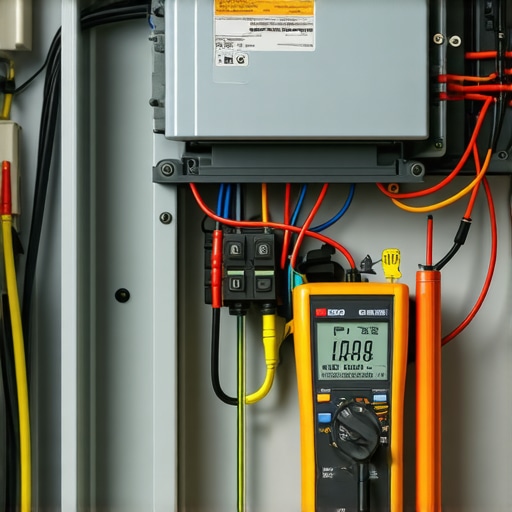
Transformers rarely just ‘die’ of old age; they are usually murdered. I’ve seen crawl space heating solutions where a mouse chewed through the thermostat wire, creating a direct short that cooked the transformer instantly. Or maybe a ‘Sparky’ (electrician) didn’t properly ground the unit during a flue pipe installation, leading to a surge. The most common culprit? A failing contactor coil. As the coil ages, its resistance drops, drawing more amperage through the transformer until the internal thermal fuse pops with a distinct, acrid smell of burnt varnish. This is why top HVAC repair strategies to extend your systems life always include checking the amp draw on the low-voltage circuit.
Airflow and the Thermodynamic Zoom
Now, let’s talk about the ‘Airflow Architect’ side of things. Most people think a heater just ‘blows hot.’ In reality, we are managing a delicate balance of sensible heat. In cold climates, we have to ensure the heat exchanger doesn’t overheat. This is where static pressure testing becomes vital. If your ductwork is too small—a common crime committed by ‘Tin Knockers’ looking to save a buck—the blower motor works harder, the heat exchanger gets too hot, and the high-limit switch starts ‘short cycling’ the unit. This constant on-off-on-off puts massive stress on the transformer. For those with a ductless mini-split installation, you avoid some of these ducting issues, but you’re still at the mercy of electronic expansion valves that require precise voltage to function. If you’re dealing with humidity issues alongside your heating, remember that heat pump solutions for efficient home comfort in 2025 are designed to manage both latent and sensible heat, but they won’t do a lick of good if the control transformer is fried from a ‘Gas’ (refrigerant) leak causing the compressor to struggle.
“Standard practice for commercial boiler systems requires a minimum of annual inspection of all safety controls and low-voltage transformers.” – ASHRAE Standard 180
The Repair vs. Replace Math
A transformer costs about fifty bucks. A ‘Sales Tech’ will try to tell you that a blown transformer is a sign of a ‘cracked heat exchanger’ and try to sell you a $10,000 unit. Don’t fall for it. You need a tech who will find out *why* it blew. Was it a bad contactor? A shorted wire in the pool heater repair circuit that’s tied into the home’s automation? Or perhaps a lack of predictive maintenance alerts that should have caught a failing inducer motor. Before you sign a contract for a new system, check choosing the best heating service expert tips for 2025 to ensure you aren’t being taken for a ride. If the heat exchanger is solid and the ‘Gas’ levels are right, you fix the short and swap the transformer. It’s physics, not magic.
Proactive Steps for the Polar Vortex
In the North, we don’t play games with ice. If you have a high-efficiency furnace, ensure your flue pipe installation isn’t blocked by snow or ice, which can cause the pressure switch to stay open, tricking you into thinking the transformer is dead when it’s actually just a safety lockout. Always keep your filters clean; preventative heating maintenance a guide for homeowners in 2025 emphasizes that airflow is the primary factor in component longevity. If the air can’t move, the heat stays trapped, and things start to melt—including the insulation on your transformer’s secondary windings. If you need a professional to look at your system before the next blizzard hits, you can contact us for a real diagnostic, not a sales pitch.