The Myth of the ‘Magic’ Unit
My old mentor, a man who smelled like burnt ozone and 10W-30, used to pull me aside in drafty basements and scream, ‘You can’t move heat you can’t touch!’ He was right. Most folks think a furnace or a heat pump is just a box that makes ‘hot’ or ‘cold.’ It isn’t. It’s a thermodynamic engine battling the second law of entropy every single second it runs. If your airflow is garbage, your high-efficiency unit is just an expensive boat anchor. I’ve seen enough 98% AFUE variable speed furnaces choked to death by undersized returns to last a lifetime. You want to talk about multi-stage heat pumps versus variable speed furnaces? We aren’t just talking about comfort; we’re talking about the physics of air density and the looming 2025 regulatory cliff that’s about to change how you spend your hard-earned money.
“The most expensive equipment in the world cannot overcome a bad duct system.” – Industry Axiom
The Regulatory Cliff: Why 2025 Changes Everything
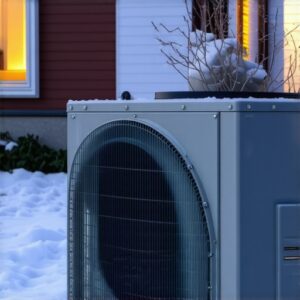
We are currently standing at the edge of the R-410A phase-out. The EPA is pushing the industry toward A2L refrigerants like R-454B and R-32. Why does this matter for your multi-stage heat pump choice? Because the new ‘mildly flammable’ refrigerants require specialized sensors and redesigned coils. If you’re looking at heat pump solutions for efficient home comfort in 2025, you need to understand that the ‘cheap’ units sitting in warehouses right now are the last of the old guard. Next year, the price of the ‘juice’ (refrigerant) for those old systems will skyrocket. Buying a bottom-barrel single-stage unit today is a trap. You’re better off looking at a multi-stage system that can handle the modulating pressures of the new era. Whether it’s a capacitor replacement service or a full install, the technology is moving toward precision, not just raw horsepower.
Thermodynamic Zooming: How Multi-Stage Actually Works
When we talk about a multi-stage heat pump, imagine a car that can actually switch between a 4-cylinder for the highway and an 8-cylinder for climbing a hill. A standard single-stage compressor is either 100% on or 100% off. It bangs on, slams the suction line with pressure, and then shuts off. In cold climates like ours, this ‘short cycling’ is a death sentence. A multi-stage unit has a low stage (usually around 65-70% capacity) and a high stage. This allows for superior dehumidification services in the summer and consistent heat in the winter. It keeps the coil temperature just below the dew point for longer periods, pulling latent heat out of the air without turning your house into a refrigerator. If you’re dealing with issues, checking top hvac repair strategies to extend your systems life is a good start, but understanding stages is the real secret to longevity.
Variable Speed Furnaces: The Airflow Architect’s Choice
Now, let’s talk about the blower. A variable speed furnace service focuses on the ECM (Electronically Commutated Motor). Unlike a standard PSC motor that’s either on or off, a variable speed blower ramp up and down based on the static pressure in your ducts. This is where the tin knocker (duct guy) and the technician must align. If your ducts are restricted, a variable speed motor will work itself to death trying to overcome that resistance. It’s why furnace flame sensor cleaning and general gas furnace repair aren’t enough—you need to look at the whole system. A variable speed furnace paired with a high-efficiency coil is the gold standard for Northern climates where the ‘Polar Vortex’ makes heat pumps struggle. In those sub-zero temps, you need the raw BTUs of gas, but you want the surgical precision of a variable blower to distribute it without those annoying ‘cold gusts.’
“Design of the duct system shall be based on the actual heating and cooling loads as calculated by Manual J.” – ACCA Manual D Standard
The Physics of the Northern Winter: Why Gas Still Wins (Sometimes)
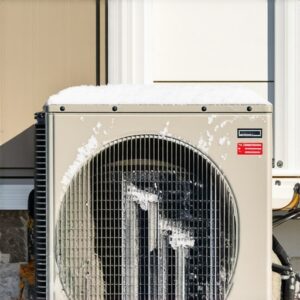
In the North, we deal with cracked heat exchangers and emergency heating repair calls at 3 AM because of ice-blocked vents. When the mercury hits -10°F, even the best cold-climate heat pumps lose their COP (Coefficient of Performance). This is why a hybrid system—a multi-stage heat pump sitting on top of a variable speed gas furnace—is the ultimate setup. You use the heat pump for the shoulder seasons and the gas furnace for the deep freeze. It prevents the ‘suction line’ from freezing up and protects the compressor from high head pressure during defrost cycles. We often see pellet stove repair and baseboard heater repair calls increase when these primary systems fail because they weren’t properly sized for the climate’s extreme sensible heat load. Don’t forget that IAQ improvement services like UV light installation for HVAC work best when the air is moving slowly and consistently, which only variable speed equipment can provide.
The Trap: Don’t Buy on Price Alone
The ‘Sales Techs’ out there will try to sell you the most expensive 25-SEER unit without ever looking at your filter or your Pookie-sealed ducts. If your return air drop is too small, that 25-SEER unit will perform like a 10-SEER unit. I’ve caught guys quoting $20,000 for a new system when the customer just needed a capacitor replacement service or a thorough furnace flame sensor cleaning. If you’re choosing the best heating service expert tips for 2025, ask them about ‘Static Pressure.’ If they look at you like you have three heads, show them the door. Proper preventative heating maintenance, as detailed in our guide for homeowners in 2025, is the only way to ensure the electronics in these high-tech units don’t fry during a brownout. Always ensure your sparky installs a proper surge protector on the disconnect; these new inverter boards cost more than my first truck.
Conclusion: Physics Doesn’t Lie
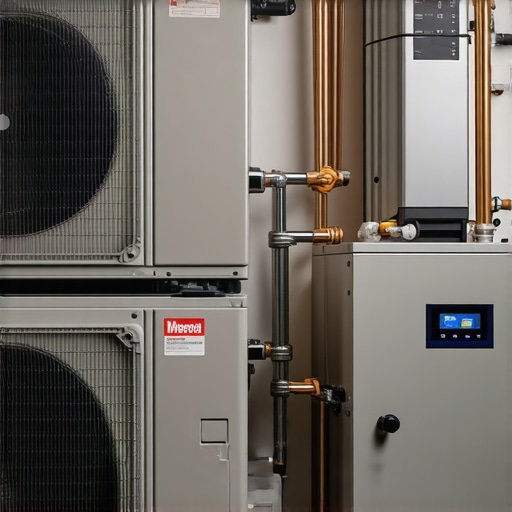
Whether you go with a multi-stage heat pump or a variable speed furnace, the goal is the same: constant, low-velocity airflow. That is how you achieve true comfort and high IAQ. Stop chasing SEER ratings and start chasing airflow. Seal your ducts with Pookie, keep your coils clean, and don’t let a ‘Sales Tech’ talk you into a system your ductwork can’t handle. If you have questions about your specific setup, feel free to check our contact us page or review our privacy policy for how we handle your data. Stay warm, keep the ‘gas’ in the lines, and never trust a technician who doesn’t carry a manometer.