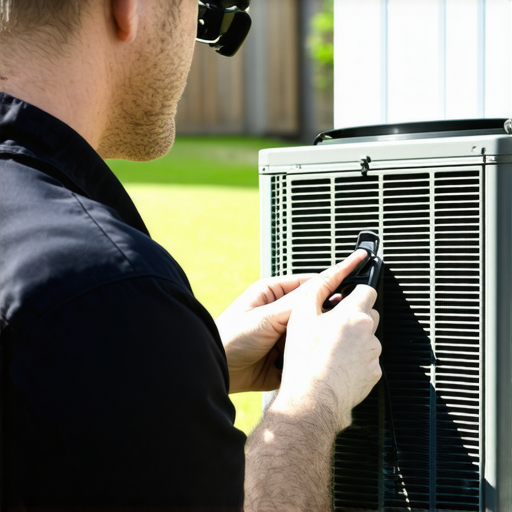
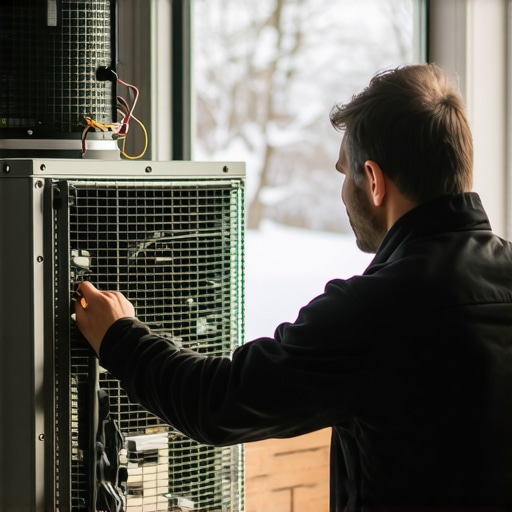
I’ll never forget that chilly December night when my old furnace decided to call it quits just as the coldest snap hit our town. The panic, the frantic calls for emergency service—I learned the hard way how vital reliable heating is during winter. That lightbulb moment made me realize that understanding and applying some proven HVAC repair strategies isn’t just helpful—it’s essential for keeping the cold at bay.
Why Proper HVAC Maintenance Is Your Winter Lifesaver
Winter’s inside your home can quickly turn from cozy to uncomfortable if your heating system falters. Having struggled through a freezing night, I discovered that many HVAC problems are preventable with proactive maintenance and quick repairs. By implementing a few top tips, you can ensure your system operates smoothly when it matters most. Today, I’ll walk you through essential repairs and maintenance practices that can make all the difference in peak cold months.
What’s the Real Deal with DIY Repairs?
Many homeowners are tempted to handle their heating issues solo, but a word of caution: I made that mistake once, trying to fix my heat pump without proper knowledge. It’s easy to worsen the problem or risk safety. Instead, consulting trusted professionals—like those at Eco HVAC Services—can save you time, money, and stress. Proper heating repairs can boost efficiency and longevity. Did you know, according to the Department of Energy, regular maintenance can reduce heating costs by up to 30%? That’s a significant saving during winter.
Now, are you facing recurring issues with your heating system? If so, stay tuned. We’ll cover tried-and-true strategies to keep your home warm and your system humming efficiently through the coldest months. The next steps are about empowering you with practical tips rooted in experience and expertise to prevent those freezing fails and keep your home comfortably warm all winter long.
Inspect Your System Thoroughly
Begin by turning off your heating system and visually inspecting all accessible components, such as filters, vents, and thermostats. I once neglected this step and missed a clogged filter that caused inadequate heating. Replacing filters regularly is like giving your system clean lungs—critical for efficient operation. Remove debris and dust buildup to prevent unnecessary strain on your equipment.
Check and Replace Filters
Don’t skip this. A dirty filter restricts airflow, making your system work harder and increasing energy bills. Use a cloth or vacuum to clean reusable filters, or replace disposable ones. Remember, a fresh filter can improve airflow by up to 15%, ensuring warm air circulates properly throughout your home.
Clean the Blower and Vents
Dust and dirt in the blower fan and vents hinder airflow, leading to uneven heating. I once found thick dust on my blower blades, which reduced efficiency. Use a soft brush or vacuum to clear debris, ensuring smooth rotation. This maintenance step is like lubricating an engine—keeps everything running smoothly and prevents strain.
Inspect Thermostat Functionality
Many systems malfunction because of faulty thermostats. Test yours by setting different temperatures; if it doesn’t respond promptly, consider recalibration or replacement. I upgraded mine to a programmable thermostat from trusted professionals, which helped optimize heating schedules and save energy.
Examine the Heat Pump and Its Components
For heat pump users, ensure the outdoor unit is free of snow, ice, or debris. I once found a thick layer of ice on mine after a heavy snowstorm, which hampered heat transfer. Thaw any ice carefully, and consider installing a defrost timer if this becomes recurrent. Regularly inspecting refrigerant levels and electrical connections also prevents system breakdowns, like a mechanic checking vital fluids before a long drive.
Test System Efficiency
After cleaning and inspecting, turn your system back on and observe its operation. Listen for unusual noises—rattling or hissing can indicate loose parts or leaks. If performance seems sluggish or inconsistent, it might be time for a professional tune-up, like those offered at reliable HVAC services.
Schedule Professional Maintenance Regularly
While DIY checks help prevent unexpected breakdowns, annual professional inspections are essential. Experts can identify hidden issues, such as worn-out components or refrigerant leaks, that could fail under freezing stresses. I made a habit of booking a service visit each fall, which kept my system reliable through harsh winters. Think of it as visiting the doctor—preventive care keeps your system healthy and extends its lifespan. For tailored advice and scheduled upkeep, consult trusted specialists like those at Eco HVAC Services.
Optimize System Settings for Winter
Lastly, program your thermostat for optimal winter performance—setting higher temperatures during active hours and lower when away saves energy. Properly balancing your system not only ensures comfort but also enhances efficiency. Remember, a well-tuned HVAC system is like a finely calibrated instrument—delivering reliable warmth when you need it most, without wasting energy or risking breakdowns during peak cold spells.
While most homeowners focus on basic HVAC upkeep, many overlook the complex nuances that can make or break a system’s performance. A common misconception is that more frequent repairs always extend the lifespan of your equipment—however, initializing unnecessary repairs driven by myths can actually cause damage. For example, some believe that replacing filters more often than recommended will drastically improve efficiency, but over-replacement can disturb airflow and lead to premature wear. The crucial nuance lies in understanding your specific system’s needs and consulting seasoned professionals, like those at Eco HVAC Services, who can tailor maintenance schedules that avoid unnecessary interventions.
Why is it risky to ignore the subtleties of heat pump performance?
Many homeowners think that because their heat pump works, it’s operating optimally. But minor issues such as refrigerant imbalances or unnoticed electrical faults can significantly impair efficiency, especially during harsh winters. Neglecting these nuances might lead to increased energy bills or system breakdowns. Research indicates that small refrigerant leaks, if left unaddressed, can cause compressor failure—an expensive repair. Regular diagnostics from professionals can detect these hidden problems early, ensuring reliable comfort. For advanced users, understanding the importance of precise refrigerant levels and electrical efficiency is vital—skills that go beyond basic maintenance. Expert interventions ensure your heat pump stays resilient under winter stress.
From the perspective of seasoned HVAC technicians, what common mistakes do homeowners make that sabotage long-term system health?
One frequent error is neglecting seasonal tune-ups and assuming that a system cleaned once is enough. This oversight ignores the subtleties of component wear and electrical efficiency that fluctuate with usage and weather conditions. Professionals like those at top repair strategies emphasize that preventative maintenance isn’t just about cleaning but about detailed diagnostics, adjusting operational settings, and replacing worn parts before failure. Such nuanced care is essential for reliable winter performance and system longevity. Additionally, misunderstanding the importance of system load capacity—matching your system’s size to your home’s heating demand—can lead to energy wastage and early breakdowns. It’s a mistake seasoned experts advise avoiding by conducting detailed load calculations.
Have you ever fallen into this trap? Let me know in the comments. Remember, staying informed about these hidden nuances can save you money, stress, and ensure your comfort through the coldest months.
,
Tools I Trust for Long-Term HVAC Performance
Maintaining a reliable heating system requires more than just basic knowledge; it demands the right tools. I personally swear by a high-quality digital multimeter for electrical diagnostics. It allows me to quickly assess voltage and resistance on components like thermostats and relays, ensuring electrical issues don’t go unnoticed. For refrigerant pressure checks in heat pumps, I rely on a digital manifold gauge set, which offers precise readings and helps prevent costly leaks or improper charging.
Another essential tool is a nitrogen regulator and hose, used during system leaks or when replacing coils. Using nitrogen to pressurize the system helps identify leaks early. For cleaning, I prefer an ultrasonic cleaner for small parts, ensuring dirt and debris are removed thoroughly without damaging sensitive components. These tools have become invaluable in diagnosing issues before they escalate, saving me time and money.
Software and Diagnostics for Advanced Maintenance
Beyond manual tools, I leverage specialized HVAC diagnostic software that interfaces with system controllers. These programs provide real-time data on performance metrics, error codes, and system history, allowing for proactive maintenance. For example, connected thermostats like the Nest Learning Thermostat can provide maintenance alerts and usage insights, helping homeowners optimize their system operations.
Incorporating data from these devices allows me to anticipate issues—like declining efficiency—before they lead to breakdowns. As smart technology continues to evolve, integrating such systems will become standard, making maintenance more precise and less reactive. This trend points to a future where AI-driven diagnostics could recommend specific repairs or maintenance schedules automatically.
How Do I Maintain Heat Pump Efficiency Over Time?
Regularly monitoring refrigerant levels, inspecting electrical connections, and cleaning coils are critical. Using a digital refrigerant scale ensures accurate charging, preventing both under- and over-pressurization. For long-term health, scheduling professional tune-ups annually, as outlined in this comprehensive guide, is essential. A seasoned technician can perform thorough diagnostics, including checking compressor wear and refrigerant leaks, which are subtle but impactful issues that can degrade system performance over time.
In the future, expect predictive analytics to become a core aspect of HVAC maintenance, using sensor data to forecast system failures before they happen. This proactive approach minimizes downtime and extends equipment lifespan.
If you’re serious about maximizing your heat pump’s lifespan and efficiency, I recommend adopting advanced tools like digital manifolds and diagnostic software. Start by integrating a smart thermostat as your first step towards smarter, more responsive HVAC care. For tailored guidance, consider reaching out to trusted professionals at Eco HVAC Services to help set up these systems effectively.
What I Wish I Knew About HVAC Before My Coldest Night
- Always trust your intuition—if something sounds or feels off with your system, don’t wait. I once ignored a slight hissing noise, only to face a major breakdown during a cold snap.
- Regular professional checkups can save you from emergency repairs. After scheduling annual inspections, I avoided costly failures and kept my home cozy.
- Understanding your system’s nuances—like refrigerant levels and electrical connections—can prevent minor issues from snowballing into expensive repairs.
- Don’t underestimate the power of proper airflow—clean filters and vents aren’t just maintenance; they’re your system’s lifeline to efficient warmth.
- Learning to read your thermostat’s response helped me optimize energy use while staying comfortable during the harshest winter days.
Tools and Resources That Changed My Approach to HVAC Care
- Digital Multimeter: Essential for electrical diagnostics; it quickly reveals issues before they escalate.
- Refrigerant Scale: Precise refrigerant charges improve heat pump efficiency and longevity.
- HVAC Diagnostic Software: Connected systems like smart thermostats offer real-time data, making maintenance proactive rather than reactive.
- Trusted Reading Material: I highly recommend the comprehensive guides at Eco HVAC Services. They helped me understand the subtle art of system tuning and long-term care.
Keep the Cold Outside—Your HVAC’s Heartfelt Promise
Your journey with HVAC maintenance is ongoing, but remember: every wise adjustment and proactive checkup keeps winter’s harshness at bay. Think of your system as a trusted companion, ensuring your home remains a sanctuary of warmth and safety. Incorporate smart tools and stay informed—your future self will thank you for the comfort and savings.
What’s the biggest challenge you’ve faced in maintaining your heating system during winter? Share your experiences below and let’s learn together!
,