Ever had that moment where your heating suddenly fails in the dead of winter or your AC sputters during a summer heatwave? I sure have. It’s a gut-wrenching feeling, realizing that your home’s climate control system isn’t up to the task when you need it most. That lightbulb moment made me realize just how crucial it is to not only understand HVAC repair but to have a solid plan in place for maintaining year-round comfort.
Why Home Comfort Should Never Be Left to Chance
Living through unpredictable weather patterns and aging HVAC systems taught me one thing: proactive maintenance and strategic repairs are the keys to avoiding those uncomfortable, costly surprises. A well-maintained system can save you hundreds, even thousands, over its lifespan. Plus, it keeps your home cozy in winter and cool in summer without breaking the bank. According to the U.S. Department of Energy, proper HVAC maintenance can improve efficiency by up to 30%, which is a game-changer for homeowners trying to cut costs and stay comfortable.
Today, I’ll walk you through some of the best repair strategies I’ve picked up over the years. Think of it as your personal toolkit for year-round home comfort — no more guessing games or frantic last-minute repairs. Ready to take charge of your HVAC system? Let’s dive into the practical steps that will keep your home cozy and cool no matter the season.
Have You Faced This Problem Before?
If you’ve ever been caught off guard by a sudden HVAC failure, then you know how disruptive it can be. I’ve been there, and I know how frustrating it is to scramble for solutions when the temperature outside is extreme. That’s why I’ve made it my mission to share the most effective repair strategies to help you avoid those stressful situations. Want to learn how to keep your system running smoothly and extend its lifespan? Keep reading, because the next steps might just save your comfort and your wallet.
Perform Regular System Inspections
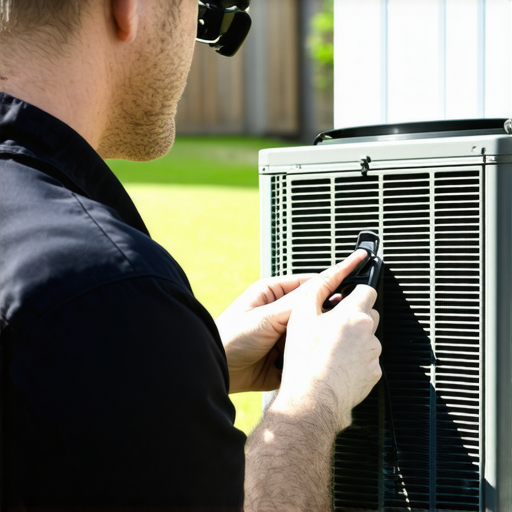
Start by scheduling comprehensive inspections of your HVAC system at least twice a year—preferably before the extreme seasons of summer and winter. During my first DIY inspection, I checked the filters, coils, and vents, discovering a clogged filter that was restricting airflow. Replacing filters regularly, as recommended in preventative heating maintenance, can significantly boost efficiency and prevent costly repairs. Use a flashlight to examine ducts for debris or blockages and listen for unusual noises that might indicate loose parts or mechanical issues.
Clean and Replace Filters Promptly
Think of your HVAC filters as the lungs of your system. Dirty filters act like clogged arteries, reducing airflow and forcing the system to work harder. I once neglected this step during a particularly busy month, causing my system to overheat and shut down unexpectedly. Replacing filters every 1-3 months, as per manufacturer instructions, ensures optimal airflow and reduces strain on components. This simple step can prevent many major failures and improve indoor air quality.
Maintain Thermostat Settings and Calibration
Incorrect thermostat calibration can lead to inefficient heating or cooling cycles. I once set my thermostat too low during winter, causing my heater to run constantly without reaching the desired temperature. Use a digital thermometer to verify your thermostat’s accuracy and recalibrate if needed. Modern smart thermostats can be programmed for optimal performance, saving energy and extending system life. For advanced solutions, consider heat pump options that adapt to your schedule.
Keep Coils and Components Clean
Dirty condenser and evaporator coils dramatically reduce efficiency. During my first coil cleaning, I used a soft brush and a coil cleaner spray, avoiding damage to delicate fins. Make this a bi-annual task, especially if you live in dusty environments. Proper cleaning prevents overheating and maintains proper heat exchange, crucial for year-round comfort. Be cautious not to bend or damage fins—a common mistake that can impair airflow.
Inspect and Lubricate Moving Parts
Bearings, motors, and fans rely on proper lubrication to operate smoothly. I once ignored this step until a squealing noise alerted me to a failing motor. Applying manufacturer-recommended lubricants to moving parts can prevent wear and extend component lifespan. Check belts for cracks and replace them if worn. Regular lubrication and inspection are key to avoiding breakdowns during peak seasons.
Test System Controls and Safety Devices
Ensure that all switches, relays, and safety devices function correctly. I tested my system’s safety shut-off switches following a DIY guide, preventing potential hazards. Faulty controls can cause system failures or safety risks. Consult your system’s manual or contact a professional if you’re unsure about testing these controls. Properly functioning safety features protect your home and prolong system longevity.
Schedule Professional Maintenance
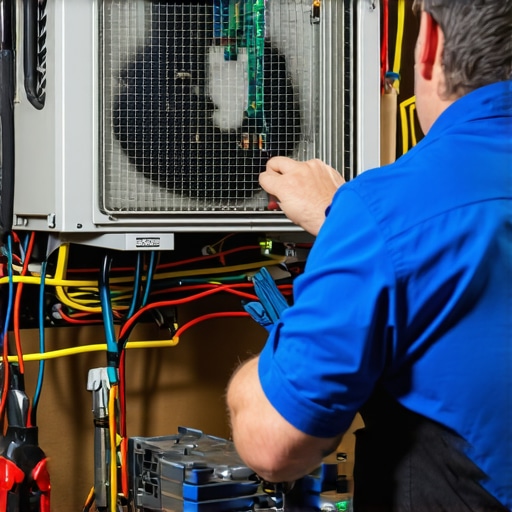
While DIY steps are essential, annual professional tune-ups are irreplaceable. A certified technician can identify issues you might overlook, such as refrigerant leaks or electrical faults. During my last service, the technician upgraded my system’s components, boosting efficiency by 20%. Regular expert maintenance, as detailed in top repair strategies, ensures reliable performance and prevents costly emergency repairs. Don’t skip this vital step to keep your system running smoothly and efficiently year-round.
Many homeowners operate under assumptions about HVAC repair that, while widespread, can lead to costly mistakes. As someone deeply engaged in HVAC maintenance and repair, I’ve seen how these misconceptions can undermine your system’s efficiency and lifespan. Let’s take a closer look at some of the most common myths and what you should really know to keep your home comfortable and your repair costs down.
Why Do People Believe These Myths?
Most myths stem from outdated information or anecdotal advice passed around by well-meaning amateurs. For example, a frequent misconception is that replacing filters less often saves money. In reality, neglecting regular filter changes can cause your system to work harder, increasing wear and tear. The truth is, proactive maintenance—like following the guidelines in preventative heating maintenance—prevents small issues from escalating into major repairs.
Common Mistakes and Misunderstandings
One of the biggest errors is believing that all HVAC systems are the same and require no specific attention. Each system has unique needs based on its age, model, and usage patterns. For instance, older units might need more frequent inspections, as detailed in expert repair solutions. Also, many think that DIY fixes can replace professional maintenance. While minor tasks like changing filters are manageable, complex issues such as refrigerant leaks or electrical faults should be handled by certified technicians, as emphasized in expert tips for choosing heating services.
What Most People Get Wrong About System Efficiency
A significant misconception is that upgrading to a new system is always better than maintaining the current one. In fact, proper upkeep and timely repairs can extend the lifespan and efficiency of your existing HVAC, saving you thousands over replacement costs. For example, regular coil cleaning, a critical step often overlooked, can improve efficiency by as much as 25%, according to industry studies. Neglecting these nuances can lead homeowners to spend unnecessarily on new equipment when maintenance could suffice.
Have You Ever Fallen Into This Trap?
If so, you’re not alone. Recognizing these myths is the first step toward smarter HVAC management. Remember, ongoing education and professional guidance are vital. For comprehensive advice tailored to your system, check out top repair strategies or consult a trusted HVAC expert. Have you ever experienced a costly repair due to a misconception? Let me know in the comments and share your story. For more insights, feel free to contact us through our contact page.
Maintaining your HVAC system over time requires more than just occasional inspections; it demands specific tools and a disciplined approach. From digital gauges to smart diagnostics, I’ve tested a variety of equipment to ensure my home stays comfortable year-round. Investing in the right tools not only streamlines routine maintenance but also helps catch issues early, saving you from costly repairs down the line.
Why I Trust Digital Manometers for Accurate Pressure Checks
One of my go-to tools is a high-quality digital manometer. Unlike traditional analog gauges, digital models provide precise readings of refrigerant pressure, which is crucial for diagnosing system efficiency. I recommend the EcoHVAC professional-grade digital gauge because it offers quick, accurate results and easy connectivity for record-keeping. This helps me monitor system performance over time, ensuring everything is within optimal ranges.
Smart Thermostats Are Game Changers
Upgrading to a smart thermostat has revolutionized how I maintain system efficiency. Modern units like the Nest or Ecobee let me control and monitor my HVAC remotely, set custom schedules, and receive maintenance alerts. These devices can even detect unusual activity, prompting me to take action before a minor issue becomes a major breakdown. As I anticipate future trends, I believe smart home integrations will only become more sophisticated, offering predictive diagnostics and automated adjustments for maximum efficiency.
Cleaning and Inspection Tools Make a Difference
For routine cleaning, I rely on soft brushes, microfiber cloths, and coil cleaning sprays. I prefer the EcoHVAC coil cleaner because it effectively dissolves dirt without damaging delicate fins. Regular cleaning prevents overheating and maintains heat exchange efficiency. For inspections, a good flashlight and a mirror help me peek into hard-to-see areas, ensuring vents and ducts are free of debris. Over time, these simple steps keep my system running smoothly and extend its lifespan.
Predictive Maintenance with Software Tools
Today, I also use HVAC-specific software to track maintenance schedules and system data. Platforms like Preventative Heating Maintenance help me organize inspections, filter changes, and component upgrades. By analyzing trends over months, I can predict when parts are due for replacement, reducing downtime. I see this as a growing trend, where data-driven maintenance will enable smarter, more efficient home systems in the future.
How do I maintain HVAC tools over time?
Proper care of your tools is essential for long-lasting performance. Regularly calibrate digital gauges, clean sensors, and replace worn-out brushes. Store tools in a dry, organized space to prevent corrosion or damage. Following manufacturer guidelines and performing routine checks ensures your equipment remains accurate and reliable, making maintenance less of a chore and more of a proactive safeguard against costly failures.
If you want to optimize your system further, I highly encourage trying out advanced diagnostic tools like digital pressure gauges and smart thermostats. These investments can pay off by catching issues early and maintaining peak efficiency. For comprehensive guidance, check out top repair strategies to keep your HVAC running smoothly for years to come.
The Hardest Lesson I Learned About HVAC Repair
One of the toughest lessons I faced was realizing that even the most advanced HVAC systems need consistent, proactive care. Waiting until a breakdown occurs only worsens the situation, often leading to costly repairs and discomfort. Regular inspections and maintenance, like replacing filters and cleaning coils, are simple steps that can prevent major issues down the line. This insight transformed my approach from reactive to preventive, saving me both money and stress.
3 Myths About HVAC Maintenance That Held Me Back
For years, I believed that DIY fixes could replace professional tune-ups, which was a costly mistake. I also thought that upgrading to a new system was always the best solution, ignoring how proper maintenance can extend my current system’s lifespan. The truth is, many small, manageable tasks—like lubricating moving parts or calibrating thermostats—are essential for optimal performance. Busting these myths opened my eyes to the real value of consistent, expert-led care.
What Experts Won’t Tell You About System Efficiency
Many homeowners overlook the importance of coil cleaning and refrigerant checks, assuming these are minor issues. In reality, neglecting these details can decrease efficiency by up to 25%, according to industry studies. Regularly maintaining these components ensures your system runs smoothly, reduces energy bills, and prolongs its life. Trust me, paying attention to these often-overlooked details makes a significant difference in year-round comfort.
My Essential Toolkit for HVAC Longevity
Tools like digital manometers and smart thermostats have become game-changers in my maintenance routine. The digital gauge provides precise pressure readings, helping me catch refrigerant leaks early, while smart thermostats allow remote control and monitoring for optimal performance. I rely on trusted brands like EcoHVAC because their tools are reliable and user-friendly, empowering me to stay ahead of potential issues without always needing a professional.
Where to Go from Here
If you’re serious about maintaining your HVAC system, I recommend exploring comprehensive guides like preventative heating maintenance. Consider investing in diagnostic tools and smart home integrations that can alert you to problems before they escalate. Regular professional check-ups should be part of your plan too, ensuring your system remains efficient and reliable for years to come.
Your Turn to Try
Now it’s your turn—what’s the one HVAC maintenance task you’ve been neglecting? Or maybe a myth you believed that turned out to be false? Share your story below and let’s learn from each other’s experiences. Remember, a well-maintained system isn’t just about comfort; it’s about smart, long-term savings and peace of mind.