There was a chilly morning last winter when I woke up to a freezing house. My heat pump had decided to take a vacation right when I needed it the most. That moment of shivering realization hit me hard—if I had only taken a few simple steps beforehand, I could have avoided the headache (and the cold shower!). Since then, I’ve learned that regular heat pump maintenance isn’t just a good idea—it’s essential for staying warm when temperatures drop. Today, I want to share the tried-and-true tips that keep my system running smoothly, so your home stays cozy all winter long. If you’ve faced similar frustrations, stick around. I promise these practical tips will make a real difference.
Why Preparing Your Heat Pump Before Winter Is a Game Changer
Winter is unforgiving, and a neglected heat pump can leave you in the cold—literally. The truth is, many homeowners overlook routine maintenance until it’s too late. I used to be guilty of ignoring my system until I noticed strange noises or a sudden drop in performance. That’s a mistake I don’t want you to make. Regular upkeep ensures your heat pump operates at peak efficiency, saving you money on energy bills and preventing costly repairs down the line. Plus, a well-maintained system lasts longer, giving you peace of mind when Jack Frost comes knocking. According to industry experts, neglecting heating system maintenance can lead to a 25% increase in energy costs and decreased reliability—a risk no homeowner should take.
Is It Really Worth the Effort To Maintain Your Heat Pump?
When I first started, I wondered if all the fuss was necessary. I thought, “It’s just a machine, right?” Well, I learned the hard way that skipping simple tasks like filter changes and coil cleaning can cause major headaches during the coldest months. Early on, I made the mistake of ignoring my system’s filter, which clogged up and reduced airflow. That small oversight led to a costly repair down the road. Trust me, a little effort now goes a long way. If you want to avoid surprises and keep your system humming smoothly, it’s worth dedicating some time to maintenance. For more detailed guidance, check out our comprehensive preventative heating maintenance guide.
Inspect and Replace Air Filters Promptly
During my first winter with a heat pump, I ignored my filters until performance dropped. One cold morning, I woke up to a frozen system because the filter was so clogged it restricted airflow. The fix? I pulled out the filter, cleaned or replaced it, and cleared the air intake. This simple task restored proper airflow and prevented further issues. Aim to check filters monthly during winter, especially if you have pets or allergies. A fresh filter keeps your system efficient and extends its lifespan. For comprehensive guidance, visit our preventative heating maintenance guide.
Clean the Coils for Optimal Performance
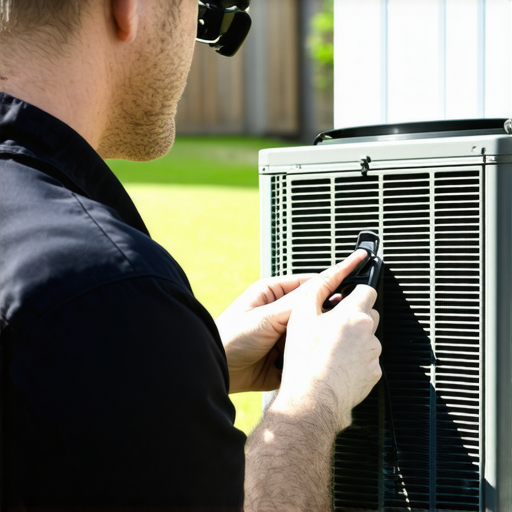
Coils are the heart of your heat pump, transferring heat to warm your home. I once neglected coil cleaning, which led to reduced efficiency and higher energy bills. To fix this, I turned off the system, gently brushed off dirt and debris, and used a coil cleaner spray. Be cautious—rushing through coil cleaning can damage fins. Do this every season, especially before winter, to ensure maximum heat transfer. Properly maintained coils help your heat pump run smoothly during cold spells, avoiding emergency repairs. For more details, check out our heat pump solutions for efficiency in 2025.
Check and Seal Ductwork for Better Heat Delivery
Leaky ducts can sabotage your heating efforts, letting warm air escape and causing your system to overwork. I once found visible gaps in my ductwork during a winter inspection. Using foil tape and insulation, I sealed leaks and added insulation around ducts running through unheated spaces. The result was a warmer home with lower energy bills. Seal all accessible joints and gaps, and consider professional duct inspection if you’re unsure. Properly sealed ducts ensure your heat pump delivers warm air efficiently, keeping cold drafts out. For expert tips, see our HVAC repair strategies.
Schedule Professional Maintenance Before Winter Hits
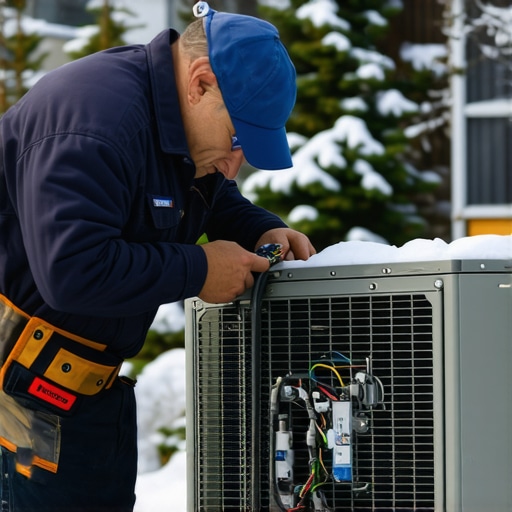
While DIY tasks help, annual professional maintenance is critical. I scheduled a visit with a trusted technician, who checked refrigerant levels, tested electrical connections, and inspected components. This proactive step caught potential failures early, saving me from costly emergency repairs in the dead of winter. Plus, a professional tune-up enhances system efficiency, saving money on energy bills. Don’t wait until your system fails; book a maintenance appointment now through our contact us page. Regular servicing is your best defense against unexpected breakdowns and ensures reliable warmth all season long.
Many homeowners operate under misconceptions about heat pump maintenance, often believing that routine checks are unnecessary or that DIY efforts are sufficient to keep their systems running efficiently. Let’s dig deeper into some of these myths and reveal the hidden nuances that can make a significant difference in your heat pump’s performance during winter.
Why Most People Overlook the Complexity of Heat Pump Care
It’s common to think that changing filters and cleaning coils once or twice a year will suffice, but the reality is more nuanced. Heat pumps are complex systems that require attention to electrical components, refrigerant levels, and airflow patterns. Neglecting these can lead to inefficient operation or system failure. According to industry experts, professional maintenance goes beyond basic cleaning, involving detailed inspections that catch issues before they escalate.
Myth: All Filters Are Created Equal
Many homeowners assume that any air filter will do the job. However, selecting the wrong type or neglecting regular replacement can drastically reduce system efficiency. High-quality, MERV-rated filters provide better filtration but can also increase airflow resistance if not changed regularly. This subtlety can trip up even seasoned DIYers. Remember, a clogged filter not only strains your system but also risks freezing components in cold weather—something I learned the hard way. For detailed guidance, check out our preventative heating maintenance guide.
Advanced Mistake: Ignoring Duct Seals and Insulation
Many assume that once the ductwork is installed, it’s good forever. But leaky ducts can cause your heat pump to work harder, wasting energy and reducing comfort. Sealing duct joints with foil tape and insulating unheated spaces can improve efficiency significantly. This is a subtle step often overlooked but can be a game changer in maintaining warmth and reducing bills. Have you ever fallen into this trap? Let me know in the comments!
In essence, mastering heat pump care involves understanding these hidden nuances—recognizing that maintenance is an ongoing process that extends beyond simple DIY tasks. Regular professional checkups, proper filter choices, and duct sealing are vital for ensuring your system performs reliably throughout winter. For more expert strategies, explore our top repair strategies and stay ahead of cold weather surprises.
Maintaining your heat pump over time requires not just attention to detail but also the right tools and a strategic approach. Over the years, I’ve refined my maintenance routine, relying on specific equipment that ensures my system stays efficient and reliable through winter’s worst. Here’s a deep dive into the tools I recommend and how they help me keep my heat pump in top shape.
Why a Digital Manometer Is a Game Changer for Refrigerant Checks
One of the most critical aspects of heat pump maintenance is monitoring refrigerant levels. I use a digital manometer for this purpose because it provides precise readings, allowing me to detect leaks or low refrigerant early. Unlike analog gauges, a digital device offers quick, accurate measurements that help me decide whether a professional call is necessary. Regular checks with a digital manometer, especially before winter, can prevent system failures and ensure optimal heat transfer. Industry experts recommend this approach, emphasizing that accurate refrigerant pressure readings are vital for longevity and efficiency. It’s a small investment that pays off by saving money on repairs and energy bills.
Using a Coil Cleaning Brush for Safe, Effective Coil Maintenance
Coil cleanliness directly impacts heat transfer efficiency. I rely on a specialized coil cleaning brush with soft bristles to gently remove dirt and debris from fins without damaging them. This tool allows me to do a thorough job without risking fin bend or damage, which can occur with improper cleaning methods. I perform coil cleaning at least twice a year, focusing on pre-winter to maximize heat absorption. Keeping coils clean with this dedicated tool ensures my system runs smoothly, reducing strain and extending its lifespan. For best results, I follow manufacturer guidelines, and you should too—improper cleaning can cause more harm than good.
Why a Quality Insulated Service Cover Protects Your Investment
External components are vulnerable to weather damage. I use a high-grade insulated cover for my outdoor unit during winter. This cover shields the heat pump from snow, ice, and debris, preventing moisture buildup and frost formation that can impair operation. An insulated cover also helps maintain internal temperatures, reducing the workload on your system. When selecting one, I look for durability and proper ventilation to prevent mold and corrosion. This simple addition has saved me countless visits from repair technicians and kept my system working flawlessly through the coldest months. As the trend toward DIY maintenance grows, investing in protective accessories like this becomes increasingly relevant.
How do I maintain my heat pump over time?
Consistent maintenance isn’t a one-and-done task. It’s an ongoing process that benefits from scheduled inspections and proactive tool use. I recommend setting a seasonal calendar for checks—using tools like the digital manometer and coil brush—to catch issues early. Additionally, keeping detailed records of each maintenance session helps track system performance and predict future needs. For comprehensive guidance, our preventative heating maintenance guide offers expert insights. In the future, I predict smart diagnostic tools integrated with IoT technology will revolutionize maintenance, providing real-time alerts and remote monitoring. But until then, quality tools and scheduled care remain your best bet. I challenge you to try a professional-grade refrigerant gauge or coil cleaning brush this season—your heat pump will thank you!
The Hardest Lesson I Learned About Heat Pump Care
One of the most eye-opening lessons I encountered was realizing that neglecting detailed inspections can lead to unexpected failures in the middle of winter. It’s not just about changing filters; understanding refrigerant levels and electrical connections saved me from frigid mornings. This experience taught me that patience and thoroughness in maintenance can be a game changer, especially when cold weather hits.
3 Myths About Winter Heat Pump Maintenance That Hold Many Back
Many homeowners believe that a quick filter change suffices or that professional help isn’t necessary unless something breaks. I used to think that too, but I found out that myths like these can cause costly breakdowns. Regular professional inspections and using the right tools, like a digital manometer, make all the difference in ensuring your system’s reliability through winter.
What Experts Won’t Tell You About Keeping Your Heat Pump Efficient
It’s often overlooked that sealing ductwork and insulating outdoor units can significantly boost efficiency. I discovered this the hard way when drafts and leaks made my system work harder. Taking these subtle steps, along with scheduling annual professional tune-ups, has kept my heat pump running smoothly even in the coldest months.
Curated Resources to Elevate Your Heat Pump Knowledge
For in-depth guidance, I highly recommend our preventative heating maintenance guide. It’s filled with practical tips that I personally follow. Additionally, consulting trusted tools like a digital refrigerant gauge and coil cleaning brushes from reputable brands has made DIY maintenance safer and more effective. Finally, staying connected with professional HVAC services through reliable local experts ensures my system gets the attention it needs annually.
Your Turn to Try
Now that I’ve shared my insights, I encourage you to examine your heat pump’s maintenance routine. Small, consistent efforts can prevent big surprises and keep your home warm all winter long. Remember, proactive care today means a cozy, trouble-free season tomorrow. What’s the first step you plan to take towards better heat pump maintenance? Let me know below!
Reading this post really reminded me of that cold snap last winter where my heat pump failed unexpectedly. It’s incredible how much of a difference simple maintenance tasks like filter replacement and coil cleaning can make in preventing those freezing mornings. What I’ve learned is that scheduling a yearly professional checkup really gives me peace of mind, especially since I don’t have the technical expertise to spot refrigerant leaks or electrical issues myself. One thing I’d love to know from others is, how often do you actually check or clean your coils outside of the scheduled maintenance? I’ve started doing it twice a year, but I wonder if regular little checks could catch issues even earlier. Still, I think the key takeaway is that consistent upkeep, no matter how small, saves a lot of headaches and money long-term.