The Sound of a Dying Heat Exchanger
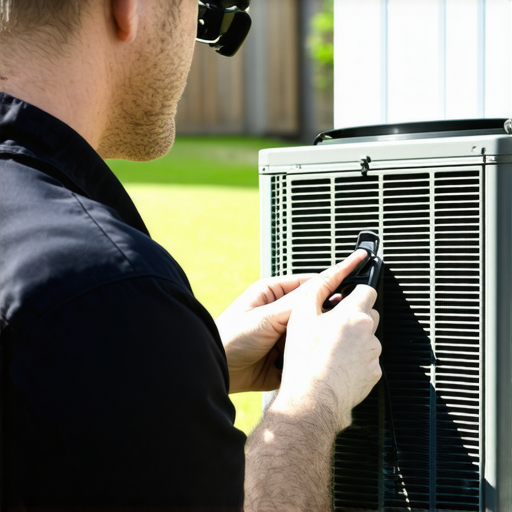
I spent my first decade in this trade thinking a bigger box meant a more comfortable house. I was wrong. My old mentor, a man who smelled like soldering flux and stale coffee, used to scream at me whenever I suggested a larger furnace: ‘You can’t move heat if you can’t move air! Airflow is king, and horsepower is just a loud neighbor.’ He was right. This is why 90% of the ‘bad’ systems I see in the field aren’t actually broken; they are just choking to death because some ‘Sales Tech’ oversized the unit to pad his commission. When you hear that deep, booming ‘thump’ when the blower kicks on, that’s not power—that’s a system gasping for breath against undersized ductwork.
The Thermodynamic Reality of Over-Sizing
In our Northern climate, we face the brutal reality of sensible heat. It’s not just about making a room feel warm; it’s about the physics of heat transfer. When a system is oversized—a common symptom of ignoring a Manual J Calculation—the unit ‘short cycles.’ This means it blasts the house with heat, reaches the setpoint in five minutes, and shuts down. Inside that cabinet, the heat exchanger is going through rapid expansion and contraction. It never reaches a steady state. This leads to premature cracks, flame rollout, and eventually, the sour, metallic smell of a system that’s ready for the scrap heap. To prevent this 2026 system overkill, we need to look at the math, not the square footage.
“Manual J is the only recognized industry standard for sizing residential HVAC equipment. Guessing based on square footage is a recipe for equipment failure.” – ACCA Manual J Load Calculation Guidelines
1. Implementing Inverter-Driven Compressors
The old-school way was ‘on’ or ‘off.’ Modern inverter-driven compressors change the game. Instead of hitting the system with a massive surge of ‘juice’ every time the thermostat calls for heat, these units ramp up and down. They find the exact ‘sweet spot’ to maintain the temperature. This is crucial for heat pump solutions for efficient home comfort in 2025. By using an inverter, you prevent the ‘overkill’ because the machine adapts to the load rather than fighting it. It’s the difference between a scalpel and a sledgehammer.
2. The ‘Pookie’ Factor: HVAC Duct Sealing
You can have a 98% AFUE furnace, but if your ducts are leaking into the attic or crawl space, you’re just heating the squirrels. This is where HVAC duct sealing comes in. Any self-respecting tin knocker knows that ‘Pookie’ (mastic) is better than any silver tape on the market. When we seal the ducts, the static pressure increases. If the system was sized correctly via Manual J, that pressure is exactly what the blower motor needs to deliver air to the furthest bedroom. Without sealing, you’re losing 20-30% of your capacity before it even hits the register.
“Energy efficiency starts with the envelope and the distribution system, not just the appliance efficiency rating.” – ASHRAE Standard 62.2
3. Smart Building Management and Voice Control
We are moving into an era of smart building management where your house actually talks to the grid. Setting up a voice control setup Alexa Google isn’t just a gimmick for the lazy; it’s a tool for precision. By integrating smart sensors, we can manage micro-climates within the home. This prevents the ‘overkill’ of heating the entire house just to keep one basement office warm. If you’re looking at preventative heating maintenance, checking your sensor calibration is just as important as checking your gas pressure.
4. Addressing Niche Loads: Radiant and Spa Heating
Many homeowners make the mistake of adding the heat load of their spa heater services or radiant floor heating installation into the main HVAC calculation. This is a mistake. These should be treated as separate zones. Radiant flooring, especially, requires a slow, steady ‘soak’ of heat. If you try to compensate for a cold floor by oversizing your central furnace, you’ll end up with a hot, stuffy room and a floor that’s still chilly. We also see this in crawl space heating solutions. Using a dedicated, smaller heat source for these areas prevents the main system from being sized like a commercial boiler for a three-bedroom ranch.
The 2026 Regulatory Cliff and Rebates
As we transition to A2L refrigerants and higher efficiency standards, the cost of ‘guessing’ is going to skyrocket. That’s why rebate application assistance is becoming a core part of our service. You can’t just slap a unit in anymore; the ‘Sparky’ (electrician) needs to ensure the panels can handle the new inverter loads, and the propane conversion services need to be precisely tuned to avoid ‘sooting’ the heat exchanger. If you’re worried about the lifespan of your current setup, check out top HVAC repair strategies to extend your systems life. Also, for those in remote areas, ventless gas heater services can provide the ’emergency’ heat needed during a polar vortex without requiring the massive ductwork of a central system. When choosing a pro, look for expert tips for 2025 to ensure they aren’t just trying to sell you a bigger box. If you have questions about your load calc, feel free to contact us or review our privacy policy for how we handle your home’s data.