The Sound of the 2026 Transition: Beyond the R-410A Sunset
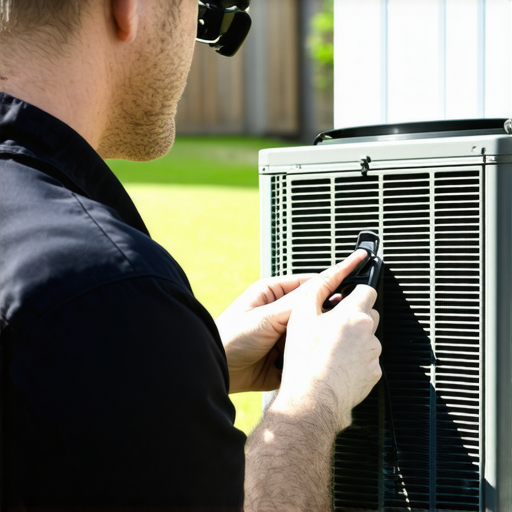
If you listen closely to a standard air-source heat pump when the mercury hits fifteen degrees, you will hear a sound that makes an old-school tech like me wince. It is the rhythmic, metallic struggle of a compressor trying to squeeze heat out of a stone. For thirty years, I have watched homeowners in the frozen North shiver through ‘defrost cycles’ that lasted longer than the actual heating run. But as we stare down the 2026 cold snaps, the industry is shifting. We are moving away from the ‘juice’ we’ve used for two decades—R-410A—and stepping into the era of A2L refrigerants and Hyper-Heat technology. This isn’t just a gadget upgrade; it is a fundamental shift in the physics of how we keep a structure from becoming an icebox.
The Sales Tech Trap: A Story from the Trenches
Last winter, during a week where the wind was howling off the lake at forty knots, I followed a ‘Sales Tech’ to a job site in a drafty Victorian. This guy—wearing a suit more suited for a wedding than a crawlspace—had already quoted the family twenty-two grand for a full system replacement because their old heat pump ‘couldn’t keep up.’ He told them the unit was ‘gasped out.’ I walked in, looked at the indoor coil, and realized the problem wasn’t the equipment; it was the Sparky who had wired the backup heat strips incorrectly and a return duct that was choked with twenty years of pet dander. The unit was fine, but it was starving for air. I spent an hour on duct cleaning services and a simple wiring fix, and that system roared back to life. That is the difference between someone trying to hit a commission and an Airflow Architect who understands that airflow is king. If you don’t get the air right, the most expensive heat pump solutions in the world are just high-priced lawn ornaments.
“The most expensive equipment in the world cannot overcome a bad duct system.” – Industry Axiom
1. The Physics of Flash Injection: How Hyper-Heat Beats the Vortex
In the old days, a heat pump’s efficiency fell off a cliff when the outdoor temp dropped below 30°F. The Coefficient of Performance (COP) would tank, and you’d be better off burning dollar bills for warmth. Hyper-Heat changes the game through flash injection technology. By injecting a bit of liquid refrigerant into the compressor’s scroll, we can maintain high mass flow rates even when the outdoor air is a brutal -13°F. It’s about Thermodynamic Zooming: the system finds latent heat where none should exist, concentrating it and moving it into your living room. When we perform HVAC load calculation services today, we aren’t just looking at square footage; we are calculating the exact point where the heat pump needs to ramp up its inverter to stay ahead of the thermal envelope’s loss.
2. Navigating the 2026 Regulatory Cliff: Low-GWP and A2L
By 2026, the EPA’s mandate on low-GWP refrigerant retrofits will be in full swing. We are moving to R-454B and R-32. These are ‘mildly flammable’ (A2L), which sounds scary to a layman but is standard operating procedure for a Tin Knocker who knows his way around a manifold gauge. These new refrigerants are more efficient at carrying heat, which is vital for high-efficiency furnace installation combos or standalone heat pumps. The trap for 2026 is buying a ‘clearance’ R-410A unit now. Sure, it’s cheaper today, but in ten years when you have a leak, that old gas is going to cost more than gold per ounce. Better to invest in the new tech now and ensure your system is future-proofed against the next decade of cold snaps.
3. The Airflow Manifesto: Beyond the ‘Beer Can Cold’ Mentality
If you want to beat the cold, you have to talk about Static Pressure. Most houses have ductwork designed by someone who hated the homeowner. We see two-stage furnace installation projects fail because the existing ‘tin’ is too small to handle the CFM (Cubic Feet per Minute) required. You can’t just slap a 5-ton unit on 3-ton ducts and expect comfort. This is where MERV filter upgrades come in. A high-efficiency filter is great for your lungs, but it’s a brick wall for your blower motor if it wasn’t sized right. I’ve seen brand-new heat exchangers crack because a homeowner used a MERV 16 filter on a system with zero return air capacity. You need a demand-controlled ventilation strategy and potentially heat recovery ventilators (HRVs) to bring in fresh air without losing all that expensive heat you just manufactured.
“The design and installation of the air distribution system shall be in accordance with ACCA Manual D.” – ASHRAE Standards
4. The Modern Command Center: Voice Control and Smart Integration
We’ve moved past the ‘set it and forget it’ mercury thermostats. To survive a 2026 cold snap efficiently, you need a voice control setup Alexa Google integrated with your HVAC. Why? Because demand-response is coming. In the middle of a polar vortex, the grid is stressed. A smart system can pre-heat your home when the sun is up and energy is cheaper, then throttle back slightly during the peak 6 PM surge. If you are still running an old boiler, consider a radiator replacement with modern, high-surface-area units that play nice with the lower water temperatures produced by modern heat pump hydronics. It’s all about the synergy between the hardware and the software. If you aren’t sure where to start, you can always contact us to get a real tech out there—not a salesman—to look at your static pressure and your heat loss before the frost hits the pumpkin.
Conclusion: Don’t Wait for the Lockout
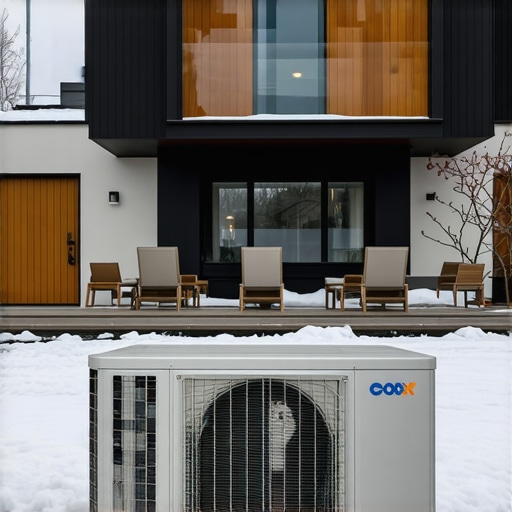
The worst time to realize your system can’t handle a cold snap is when the condensate line is already frozen solid and the ‘Emergency Heat’ light is glowing like a warning sign on a sinking ship. Take the time now for preventative heating maintenance. Check your ‘Pookie’ (mastic) on the duct joints, ensure your outdoor unit is clear of snow drifts, and for the love of all that is holy, stop closing your registers in unused rooms—it only kills your compressor faster. Airflow is a balance, not a suggestion. Plan for 2026 today, or be prepared to pay the ’emergency’ tax when the next deep freeze arrives. [HowTo: HVAC Cold Weather Prep] 1. Verify your Manual J load calc. 2. Clean the blower wheel. 3. Test the defrost sensor. 4. Seal the plenum with mastic. [LocalBusiness: Eco HVAC Servicez] specializing in cold-climate heat pumps and high-efficiency airflow solutions.