The Echo of the Old Guard: Why Airflow (and Water Flow) is King
My old mentor used to scream, ‘You can’t cool what you can’t touch!’ and he’d bellow it even louder when we were talking about heating. This was thirty years ago, standing in a mechanical room that smelled of sulfur and wet iron, but the physics haven’t changed even if the refrigerants have. He meant that if your medium—whether it’s the gas in your lines or the water in your pipes—isn’t reaching the surface area of your heat exchanger or your radiators, you’re just burning money to heat a ghost. In a church, with those sixty-foot vaulted ceilings and stone walls that soak up BTUs like a sponge, this rule is the difference between a comfortable congregation and a $5,000 monthly utility bill. We aren’t just moving air; we are managing a massive thermal battery.
The Forensic Diagnosis of Church Heating
When I walk into a sanctuary for emergency heating repair, I don’t look at the thermostat first. I listen. I listen for the ‘bang’ of steam hammer or the ‘whine’ of a circulator pump that’s cavitation-bound because some ‘Sales Tech’ told the deacon they just needed more ‘juice.’ It’s never the juice. It’s the physics. Churches are unique beasts. You have massive sensible heat loads during Sunday service and then nothing for six days. If you try to heat that space like a standard residential home, you will kill your equipment. The internal volume of a cathedral requires a deep understanding of stratification. Most of your heat is currently sitting in the rafters, entertaining the pigeons, while the parishioners are shivering in the pews. This is why boiler repair services are often just the band-aid; the real cure is systemic architectural change.
“The most expensive equipment in the world cannot overcome a bad duct system—or in the case of hydronics, a poorly balanced piping loop.” – Industry Axiom
1. The Inverter-Driven Revolution: Hybridizing the Sanctuary
The first way to slash costs heading into 2026 is moving away from the ‘all-or-nothing’ boiler cycle. Historically, church boilers were either ‘On’ (consuming massive amounts of fuel) or ‘Off.’ By integrating inverter-driven compressors via dual fuel heat pump systems, we can handle 80% of the heating season without ever firing the main boiler. These modern heat pumps can extract heat from sub-zero air and pump it into the building with incredible efficiency. When the temp drops below the ‘balance point’—usually around 20°F in cold climates—the controls automatically kick over to the traditional boiler. This ‘Dual Fuel’ approach ensures you aren’t using high-grade fossil fuels when a high-efficiency electric system could do the job for pennies. For more on this, check out heat pump solutions for efficient home comfort in 2025.
2. Thermodynamic Zoning and Radiator Replacement
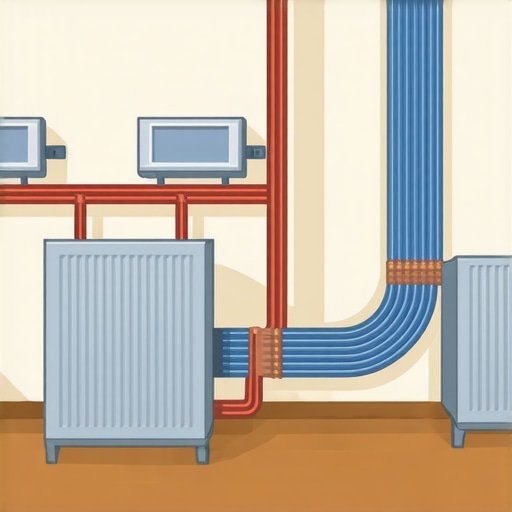
I’ve seen it a thousand times: a massive 2-million BTU boiler firing just to heat a single basement office where the secretary sits. That is mechanical malpractice. To cut costs in 2026, you need to look at radiator replacement in high-occupancy zones like offices and classrooms. Old cast iron is great for thermal mass, but it’s slow. Replacing them with modern, high-output fan-coil units allows you to isolate zones. If you’re dealing with a cold rectory or a detached hall, garage heater installation or localized electric heater services can be more cost-effective than dragging the main hydronic loop across a parking lot. This prevents the ‘short cycling’ that kills boilers. Short cycling is like stop-and-go traffic for your car; it’s where the most wear and tear occurs. Proper zoning ensures the ‘Sparky’ (electrician) and the ‘Tin Knocker’ (duct guy) work together to keep the heat where the people are, not in the empty hallways. You can find more on maintaining these systems at preventative heating maintenance.
“Design for the 1% load, but build for the 99% of the time the system is running at part-load.” – ASHRAE Standards
3. Managing the Envelope: HRVs and Thermostat Wiring Upgrades
The third pillar is air quality and control. In old churches, you’re either suffocating in stale air or losing all your heat through the steeple. Heat recovery ventilators (HRVs) are the secret weapon here. They allow you to bring in fresh air for the congregation while ‘robbing’ the heat from the exhaust air before it leaves the building. It’s essentially a heat exchanger for your breath. Pair this with thermostat wiring upgrades that allow for remote, cloud-based scheduling. No more ‘Deacon Joe’ leaving the heat at 72 degrees on a Monday morning. These smart systems can pre-heat the building based on the ‘lag time’ of your specific hydronic loop, ensuring the sanctuary is 68 degrees at 9:00 AM sharp without a second of wasted fuel. If your system is already struggling, you should look into top hvac repair strategies before the 2026 winter hits.
The Smell of Acid and the Scam of the ‘Quick Fix’
You’ll know a ‘Sales Tech’ is in your building when they start talking about ‘replacing the whole unit’ because of a minor leak. In the hydronic world, they’ll try to sell you a new boiler when all you need is a properly sized expansion tank or a new air purger. If your mechanical room smells like vinegar or sour gym socks, you have a major problem—likely a compressor burnout or a massive bacterial bloom in your secondary loop. That’s when you need real furnace repair services, not a salesman. A real tech checks the ‘Delta T’ (temperature difference) across the coil. If the water goes in at 180°F and comes out at 170°F, you aren’t transferring heat. You’re just moving hot water. We want a 20-degree drop. That’s physics. That’s how we ensure you’re getting every penny out of your fuel. If you’re unsure about who to trust, read our guide on choosing the best heating service.
Conclusion: The 2026 Outlook
As we move into 2026, the cost of traditional fuels and the phase-out of older refrigerants will make efficiency a survival metric for churches. Don’t wait for a freeze to find out your system is failing. Whether it’s a boiler repair or a full transition to dual fuel heat pump systems, the goal is the same: move the heat efficiently, keep it where the people are, and stop heating the stratosphere. If you need a forensic evaluation of your church’s system, contact us today. We don’t do sales pitches; we do physics.