I remember the chilly evening when I realized my heating system just wouldn’t kick in. The thermostat was set, the radiators were cold, and I felt that familiar knot of panic tightening in my chest. It was almost midnight, and my house felt like an ice box. That moment was a lightbulb for me—if I wanted reliable warmth all winter, I needed more than just flipping switches and hoping for the best.
Why Reliable Heating Matters More Than Ever Before
In my years of dealing with home comfort, I’ve learned that winter isn’t forgiving if your heating system isn’t prepared. A sudden failure on the coldest night can ruin sleep, compromise safety, and lead to costly repairs. The truth is, most homeowners I talk to underestimate the importance of routine maintenance until they face a desperate freeze without heat. According to the U.S. Department of Energy, a well-maintained heating system can improve efficiency by up to 30%, saving money and preventing unexpected breakdowns. Are you confident your system can handle this winter? If not, you’re not alone, and there are simple steps to keep your home warm and safe.
Is Heating Maintenance Overhyped or Essential?
In my early days, I made a costly mistake—ignoring annual check-ups because I thought I was saving money. It wasn’t until the system failed during a cold snap that I realized well-maintained systems last longer and work better. Preventative maintenance isn’t just about avoiding breakdowns; it’s about ensuring safety, efficiency, and peace of mind. Curious about how to make sure your heating system is primed for winter? I’ll walk you through proven strategies that can keep your home cozy when it counts. Want to get ahead of a potential disaster? Check out [this guide](https://ecohvacservicez.com/preventative-heating-maintenance-a-guide-for-homeowners-in-2025) to start planning your maintenance routine today.
Diagnose Your System’s Needs
Start by assessing your heating system’s current state. Turn on your system and listen for unusual noises like banging or rattling, which can indicate loose components or debris. Check for uneven heating or cool spots in your home, signifying possible airflow issues. Remember, early diagnosis can prevent costly breakdowns later. Last winter, I noticed my radiators weren’t heating evenly, which prompted me to inspect and clean the vents, improving efficiency significantly.
Prepare Your Equipment
Gather essential tools such as a screwdriver, a vacuum with a brush attachment, and a cleaning cloth. Turn off your system using the thermostat or power switch before starting any work. Think of this step as giving your system a thorough prep before a long journey — it’s vital for safety and effectiveness. I once overlooked this and got a minor shock while inspecting a live component, teaching me the importance of proper shutdown procedures.
Clean and Replace Filters
Remove the filters from your HVAC system and inspect them. If they are dirty or clogged, replace them with new filters suitable for your system’s specifications. Regularly changing filters can improve airflow and reduce energy bills. I replaced my filters, noticing my system ran quieter and heated my home faster, saving energy costs. Use a vacuum to clean the filter housing and surrounding area to prevent dust buildup.
Inspect and Clear Vents and Ducts
Check all supply and return vents for dust, debris, or obstructions. Use a vacuum or a damp cloth for cleaning. Ensure vents are open and unobstructed to maximize airflow. A clogged vent in my recent add-on room led to uneven heating, which I resolved by cleaning and adjusting the vent, restoring comfort efficiently.
Check Thermostat Settings and Calibration
Verify your thermostat is functioning correctly. Replace batteries if needed and set the temperature to a comfortable level. Consider upgrading to a programmable thermostat for better energy management. I calibrated my thermostat, which provided more consistent heating and reduced my energy bills because it prevented overheating and waste.
Inspect Mechanical Components
Examine belts, motors, and fans for signs of wear or damage. Tighten loose belts and lubricate moving parts as per your manufacturer’s guidelines. If you notice excessive wear or unusual sounds, schedule a professional repair. Last season, I noticed my blower motor making squealing sounds; a quick lubrication prevented further damage, saving on repair costs.
Test Safety Features
Ensure safety devices like limit switches and carbon monoxide detectors are operational. Test alarms and replace batteries if needed. Regular safety checks protect your household from dangerous leaks or malfunctions. During my last maintenance, replacing batteries in alarms prevented a false warning, giving me peace of mind.
Schedule Professional Maintenance
While many steps are DIY, scheduling an annual checkup with a licensed technician ensures comprehensive inspection and tune-up. Professionals can identify issues you might miss, ensuring your system operates at peak efficiency throughout winter. I booked a professional service before last winter, which gave me confidence my system was ready, and I avoided emergency breakdowns during the coldest weeks.
Many homeowners believe that selecting a heat pump or scheduling maintenance is straightforward, but in reality, there’s a web of misconceptions that can cost you time and money. One common myth is that all heat pumps are equally efficient; however, modern units vary significantly in performance, especially in colder climates. According to a study by the Department of Energy, choosing the wrong model can increase energy bills by up to 40%.**
What do most people overlook when it comes to heat pump performance?
It’s the importance of regional climate adaptations and proper sizing. Many assume a larger unit provides better heating, but oversized equipment can lead to short cycling, increased wear, and inefficiency. Accurate load calculations and professional sizing are essential, and skipping this step can cause more harm than good. A misjudgment here commonly traps homeowners into costly repairs down the line. Additionally, neglecting seasonal maintenance can be a hidden downfall. While changing filters is routine, overlooking the calibration of thermostats or inspecting refrigerant levels can sabotage your system’s efficiency. Professional tune-ups go beyond just cleaning; they ensure the system is optimized for your home’s specific needs.
Diving deeper, one often underrated aspect is the role of ductwork in HVAC efficiency. Leaks, blockages, or improper insulation can significantly diminish your system’s effectiveness, regardless of how well-maintained or advanced your heat pump is. Regular duct inspection and sealing are underrated steps that save energy and prolong equipment life.**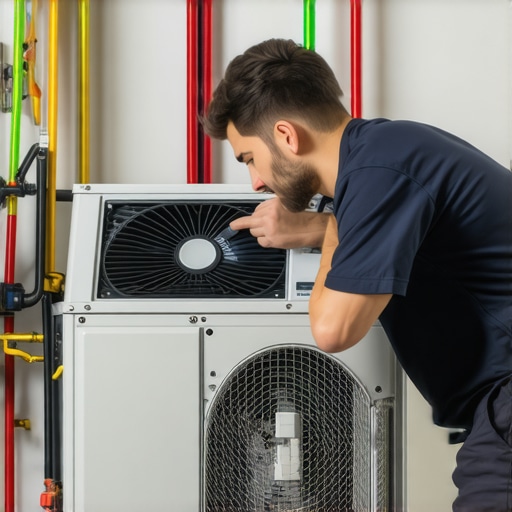
Proper knowledge of these nuances can extend your system’s lifespan and ensure reliable comfort.
Are you guilty of falling for any of these myths? Remember, a little extra insight can prevent expensive mistakes and improve your home’s comfort. Learn more about avoiding these pitfalls by consulting trusted experts. Need personalized guidance? Feel free to reach out here. Prioritize professional assessments to sidestep common traps and keep your HVAC running smoothly through every season. Don’t let misconceptions undermine your home’s comfort—stay informed and proactive!Maintaining your heat pump or heating system over the years requires not only the right mindset but also and the right tools. From digital diagnostics to advanced cleaning equipment, choosing equipment that fits your specific system can make all the difference. I personally rely on a high-quality digital multimeter, like the Fluke 116, which allows me to accurately measure voltage, current, and resistance without risking damage to delicate components. Its portability and precision help me troubleshoot electrical issues on-the-spot, saving time and preventing costly repairs. Additionally, an infrared thermal camera, such as the FLIR C3, helps identify uneven heating or cold spots caused by duct leaks or dirty components, giving me a visual insight that’s impossible through only manual inspection.
For cleaning, I swear by a flexible, vibration-resistant brush tailored for ductwork cleaning. Regularly cleaning ducts and vents prevents dust buildup and maintains airflow efficiency. When it comes to software, I highly recommend using diagnostic apps compatible with your system, like HVAC-Connect, which can interpret error codes and monitor system performance remotely. These tools empower homeowners and technicians alike to stay ahead of potential issues and schedule maintenance proactively.
Future of HVAC Maintenance Tools and Strategies
As technology evolves, predictive maintenance will become the norm, leveraging smart sensors and IoT connectivity. Systems like Google Nest’s smart thermostats already detect anomalies and notify owners before breakdowns happen, saving money and energy. Expect more integration of AI-based diagnostics and automated service alerts, reducing the reliance on manual inspections.
Remember, the key to long-term system health is regular inspection paired with these specialized tools. Don’t wait for a breakdown—try implementing a digital monitoring system this season to optimize performance and longevity.
How do I maintain my HVAC system over time? Regularly check and calibrate your thermostat using a digital temp sensor to ensure accurate readings. Keep coils and filters clean and monitor refrigerant levels, referencing guidance from trusted sources like expert repair solutions. For more detailed strategies, consult our comprehensive maintenance resources or contact professionals through this page to tailor a routine specific to your system’s needs.
What I Wish I Knew About Heat Pump Longevity Early On
One of my biggest epiphanies was realizing that the subtle signs of wear—like a slight strain in your system’s motor or uneven heating—can save you a fortune if caught early. Ignoring small issues often leads to big failures down the road, teaching me the value of proactive checks over reactive repairs.
How I Learned to Trust the Tools of the Trade
Using reliable diagnostic tools like a digital multimeter or thermal camera transformed my approach. These devices provided insights that instinct alone couldn’t, helping me understand my system’s health at a glance. Investing in quality equipment isn’t just for professionals anymore—it’s a game changer for homeowners serious about maintenance.
The Real Cost of Mistaken Assumptions
Believing bigger is always better for heat pumps is a myth I once bought into. Oversized units cycle more, wear out faster, and consume more energy. Proper sizing and professional consultation are the secrets to efficiency, which I learned the hard way after a costly system replacement.
Curated Recommendations for Continued Success
My go-to resources include expert guides like the preventative maintenance guide that empowers homeowners with actionable steps. I also trust heat pump solutions for efficient comfort to stay updated on the latest innovations. Lastly, connecting with professional services like those on this contact page keeps my system running smoothly and safely.
Choose Your Path to a Warm Future
Taking control of your heating system’s maintenance isn’t just a chore—it’s a commitment to your home’s comfort and safety. Every proactive step you take today builds resilience against winter’s worst. So, why wait for a breakdown? Dive into better practices now, and enjoy the warmth that comes from knowing you’re prepared. How are you planning to improve your heating routine this season? Share your ideas below, and let’s keep the conversation warm and helpful.