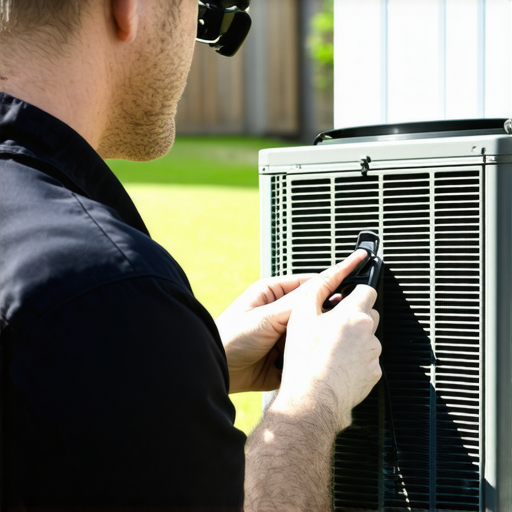
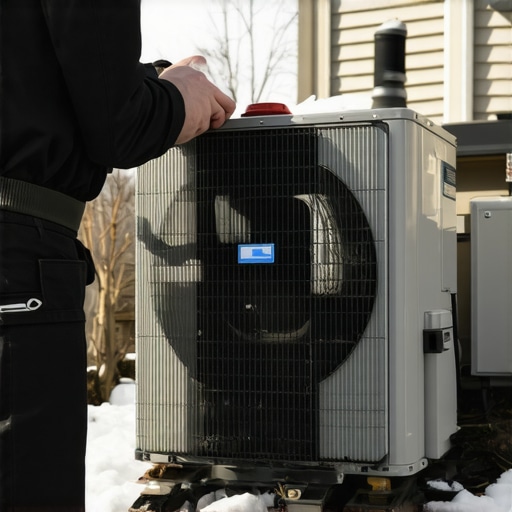
It was a freezing morning, and my heat pump refused to kick in. The panic hit me—as if I’d forgotten how to keep my home warm. That moment was a lightbulb flickering overhead: I’d neglected essential maintenance, assuming my system would just hum along through the winter. Turns out, small oversights can lead to big problems, especially when the cold settles in. If you’ve ever faced a chilly surprise when your heating system falters, you’re not alone. But here’s the good news: with a few simple steps and strategic planning, you can avoid those bone-chilling mornings.
Why Winter Maintenance Matters More Than Ever
Winter isn’t just about bundling up; it’s about ensuring your home stays warm and safe when temperatures plummet. Heat pumps, which many rely on for efficient heating, require regular upkeep to function optimally in cold weather. Neglecting maintenance can lead to reduced efficiency, higher energy bills, or system failures precisely when you need warmth the most. I learned this lesson the hard way early in my homeownership, rushing to call a repair technician after my heat pump stopped working in mid-January—a costly and uncomfortable mistake. I wish I’d known then what I now understand: preventative maintenance isn’t just advisable; it’s essential.
Studies indicate that timely servicing can extend the life of your heating equipment and optimize its performance during peak cold months. In fact, a comprehensive review by the U.S. Department of Energy highlights that regular servicing can improve heat pump efficiency by up to 20% and significantly lower energy costs. So, skipping maintenance is like letting a car go without oil—eventually, it will break down when you least expect it.
Are you worried about rising heating costs or unexpected breakdowns? You’re not alone in this concern. Many homeowners overlook routine checks, only to face costly repairs or discomfort during winter’s coldest days. But don’t fret—there’s a better way.
Is Your Heat Pump Ready for Winter or Just a Hope?
I’ve made the mistake of assuming my heat pump was fine because it worked last year. That false confidence nearly left me freezing last winter. It took a professional assessment to uncover overlooked issues—like clogged filters and refrigerant leaks—that could have been addressed beforehand. Early in my experience, I learned that even small, seemingly insignificant problems can snowball into bigger failures when the temperature drops.
If you’re wondering whether your system is truly prepared, now’s the perfect moment to check it out. For reliable advice and tailored solutions, I recommend consulting trusted resources, such as [top heating service tips](https://ecohvacservicez.com/top-heating-service-tips-for-reliable-winter-comfort-2024), which can guide you through the necessary preparations. Taking proactive steps today can save you a lot of headache—and money—later on.
So, if you’ve faced the frustration of a cold morning with no heat, or simply want peace of mind, we’re about to tackle the essential maintenance strategies to keep your home warm, efficient, and safe all winter long.
Inspect and Replace Air Filters Regularly
During my last winter, I caught a small detail—dirty filters—that nearly shut down my heat pump. I now schedule filter replacements every month in cold weather, similar to changing oil in a car to keep engines running smoothly. Remove the existing filter, check for discoloration or clogs, and install a new, high-quality filter. This simple act significantly improves airflow and system efficiency.
Clean Coil and Outdoor Unit Carefully
Next, I cleaned the heat pump’s coils and outdoor unit. Think of coils like the lungs of your HVAC system—dirt and debris block airflow, just like mucus clogs airways. Use a soft brush and a coil cleaner spray, following product instructions. For the outdoor unit, gently clear away leaves and snow, leaving enough clearance around the unit for unrestricted airflow. Regular cleaning prevents frost buildup and maintains peak performance.
Check and Seal Ductwork for Efficiency
I traced duct leaks with a smoke pen, finding tiny gaps that wasted heat. Sealing these gaps with mastic sealant or foil tape prevents warm air from escaping and cold air from seeping in, maintaining consistent temperatures. Properly sealed ducts act like a secure jacket—keeping heat locked inside where it belongs. Conducting this check before winter enhances efficiency and reduces energy costs.
Adjust and Test Thermostat Settings
I calibrated my thermostat to cycle less frequently during the day, saving energy. Program your thermostat for optimal winter settings—lower temperatures at night and when you’re not home. Digital thermostats allow remote adjustments, giving you control and savings. Testing the system after adjustments ensures your heat pump responds correctly, avoiding surprises during freezing mornings.
Schedule Professional Maintenance for Peace of Mind
While I handled basic upkeep, I learned that a professional tune-up catches issues I might miss—like refrigerant leaks or worn components. Professionals perform comprehensive checks, similar to a doctor’s annual exam, ensuring your system runs efficiently through winter. For trusted local experts, check out these tips to select the best technician.
Monitor System Performance and Listen for Strange Sounds
I started paying attention to unusual noises and performance dips, catching minor issues early. If your heat pump makes banging, squealing, or ice formation on coils, schedule servicing promptly. Early intervention prevents costly repairs and system failure during the coldest days, keeping your home warm and safe.
Use Emergency Measures When Necessary
In a pinch, I relied on space heaters and draft stoppers to maintain warmth while addressing HVAC issues. Keep these emergency tools handy, but remember—they’re temporary solutions. Regular maintenance ensures your heat pump’s reliability without resorting to these stopsgap measures.
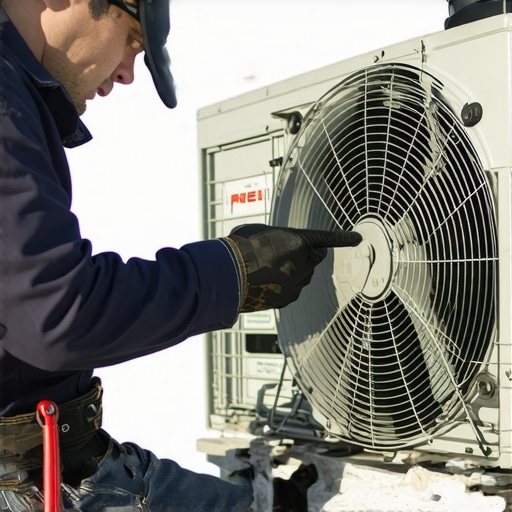 Many homeowners operate under misconceptions that put their heating systems at risk, especially during the cold months. One prevalent myth is that simply turning the thermostat down saves energy, but in reality, inconsistent or improper scheduling can lead to increased wear and tear. Another misconception is that DIY repairs are always sufficient; however, advancing issues often require professional expertise, which can prevent costly breakdowns later. Relying solely on routine filter changes without inspecting coils or refrigerant levels is a mistake too many make, neglecting critical components that contribute to efficiency. Moreover, some believe that an annual system check-up suffices, but in harsh winter climates or with aging units, more frequent inspections are necessary for optimal performance.
Let’s not forget the trap of ignoring early warning signs—strange noises, inconsistent heating, or increased energy bills—which indicate underlying problems. Addressing these promptly can extend your HVAC equipment’s lifespan and ensure safety. According to industry experts, neglecting advanced nuances like refrigerant levels or duct sealing can reduce system efficiency by up to 20%, leading to higher utility bills and potential system failure. For those serious about winter preparedness, comprehensive maintenance approaches—covering both basic and intricate system aspects—are crucial. If you’re interested in these strategies, comprehensive guides on preventative heating maintenance can provide valuable insights.
Have you ever fallen into this trap? Let me know in the comments about your experiences or questions regarding maintenance pitfalls. Remember, proper understanding and execution of nuanced maintenance not only preserve your system but also save money in the long run. For a deeper dive into expert strategies, check out trusted tips on selecting the best heating service here.Ensuring that your heat pump continues to operate efficiently over many seasons requires the right tools, techniques, and foresight. Personally, I rely on a combination of professional-grade equipment and smart software solutions to keep my system performing at its peak. One tool I swear by is a digital refrigerant gauge, which allows me to monitor refrigerant levels precisely—crucial for optimal heat pump operation in winter. Unlike standard analog gauges, the digital versions provide real-time readings and are less prone to misinterpretation—saving me from costly repairs and inefficiencies. I also use a high-quality infrared thermometer to check coil temperatures and detect frost buildup early, preventing minor issues from escalating. These handheld devices give me immediate, actionable data without the need to dismantle anything, making routine checks quick and effective.
On the software side, I utilize HVAC maintenance apps tailored for homeowners, such as the ‘HVAC Check & Maintain’ app, which logs maintenance schedules and alerts me when filters, coils, or fans need attention. This proactive approach aligns with recommendations from experts who advocate for systematic scheduling and record-keeping—key to extending the lifespan of your system. One industry tip I’ve adopted comes from trusted sources like top repair and maintenance strategies, which emphasize integrating diagnostic tools with regular professional inspections.
Looking ahead, the future of HVAC maintenance is trending toward smart diagnostics powered by IoT sensors. These systems can continuously monitor system health, predicting failures before they happen, and prompting timely interventions—much like a health smartwatch alerts you to irregular heart rhythms. While this technology is still emerging, installing initial smart sensors during routine maintenance now can prepare your system for smooth, trouble-free operation in years to come.
How do I keep my heat pump running smoothly over time? The key is combining hands-on tools like refrigerant gauges and infrared thermometers with digital maintenance logs and scheduling software. I highly recommend you try implementing a smart diagnostic sensor if your system supports it, and always stay ahead of potential issues by regularly reviewing your system’s performance data. This dual approach not only saves money but also ensures consistent comfort during the coldest months. For more tips on balancing DIY monitoring with professional service, visit preventative maintenance guide—it’s your best bet for long-term peace of mind.
The Lessons That Changed My Winter Routine
After facing a freezing morning without heat, I realized that neglecting nuanced maintenance tasks can turn winter’s beauty into a nightmare. I learned that paying attention to refrigerant levels and duct sealing isn’t just technical jargon but crucial steps to ensure comfort and safety. Proper calibration of thermostats and regular coil cleaning transformed my system from unreliable to dependable, saving me from chilly surprises. These insights taught me that proactive strategies, beyond basic filters, are what truly prepare a home for winter’s worst.
My Go-To Tools and Trusted Resources for Heat Pump Care
I rely on a digital refrigerant gauge and an infrared thermometer—simple yet powerful tools that give me real-time insights into my heat pump’s health. Combining these with my preferred maintenance app helps me stay ahead of potential issues. For expert guidance, I turn to top repair strategies that reflect the latest best practices. These resources empower me to make informed decisions, ensuring my system performs optimally through the coldest days.
Stay Warm and Take Charge of Your Home’s Comfort
Understanding the subtle yet vital aspects of heat pump maintenance has fostered a sense of confidence in managing my home’s winter readiness. Don’t wait for the cold to catch you off guard—start implementing these lessons today. With the right tools, knowledge, and proactive steps, you can keep your home warm and safe all winter long. Remember, a little effort now pays off with cozy mornings and peace of mind.